
Learning Korean fast in 2026 is achievable for beginners through active, participatory learning methods, focusing on speaking practice and consistent feedback. Instead of passive listening, engaging in conversational classes, even with mistakes, builds confidence and accelerates fluency. Resources like Talk To Me In Korean (TTMIK) and Duolingo offer structured paths, while K-pop and K-drama provide engaging context for vocabulary and grammar.
Why Are Participatory Korean Classes Crucial for Beginners?
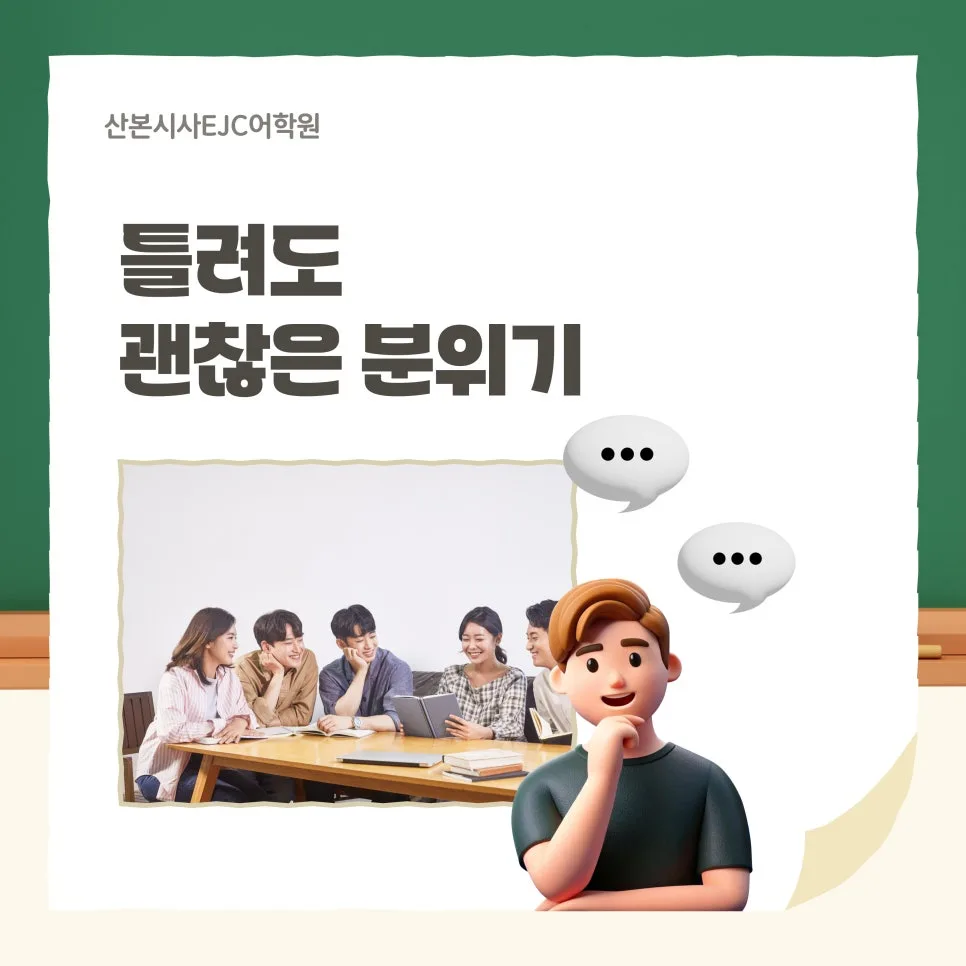
For those new to the Korean language or returning after a break, actively participating in classes is far more effective than simply watching lectures. My own experience shows that passive learning can prolong the beginner stage and become a financial drain. That's why engaging in participatory classes, where you feel comfortable speaking without fear of mistakes and learn alongside supportive peers, is so vital. This environment boosts learner engagement and maintains interest in Korean. The guidance and positive feedback from an instructor are key to maximizing learning outcomes. For instance, platforms like TTMIK offer structured lessons that encourage active recall and practice, making the journey to fluency more dynamic and less intimidating.
What Learning Environment Fosters Korean Fluency?
In Seoul, beginner Korean classes often cultivate a supportive atmosphere where students ask each other about their day and share personal anecdotes, creating a comfortable space. When someone struggles with sentence construction, peers offer encouragement, motivating learners to keep trying without shame. Instructors in these settings guide students gently, ensuring they feel confident speaking. This positive and supportive learning environment is a hallmark of effective Korean language programs. Detailed review materials provided after class help solidify learning. For example, systems that send review notes via messaging apps encourage consistent study habits, making the Korean language more accessible.
Is Grammar Essential for Learning Korean?
You might see advertisements suggesting grammar is unnecessary for learning Korean conversation. However, in a foreign language learning context, understanding sentence structure and using accurate expressions are essential. Grammar isn't just about memorizing rules; it's the framework that helps you choose the right words, tenses, and sentence constructions to convey your intended meaning precisely. While native speakers acquire this naturally, conscious study is crucial for non-native learners. Grasping Korean grammar principles allows you to express your thoughts more confidently and accurately, moving beyond basic phrases to nuanced communication.
Who Should Consider Participatory Beginner Korean Classes?
Participatory Korean classes are highly recommended for anyone hesitant to start learning, those who feel their confidence has waned after a long break, individuals with specific goals like travel or career advancement, or those experiencing 'language anxiety' that hinders speaking. These learners often benefit more from expert guidance and a structured learning environment than from solo study. The detailed feedback and management systems provided post-class are crucial for consolidating knowledge and achieving tangible improvements in speaking ability. Personalized learning plan consultations are also a key component for success.
English crawl path
Next English reads from this pilot cluster
Continue through the category hub, latest English stories, and related posts so this translated article is not an isolated URL.
Tags
💬Frequently Asked Questions
What should I check first in How to Learn Korean Fast: Beginner's Guide 2026?
Does this Language Learning article link back to the Korean source?
Where can I find similar English stories?
English discovery path
Explore more English K-culture stories
Keep browsing the indexed English pilot cluster so Google and readers can move between this story, the category hub, and fresh discovery pages.
Original Source
Read the Korean original





