Mastering polite disagreement in English is key to constructive conversations, especially by 2026. The best approach involves acknowledging the other person's viewpoint before gently stating your own or offering alternative solutions. This strategy ensures your message is heard without causing offense, fostering a more collaborative environment.
What are polite ways to disagree in English without offending?
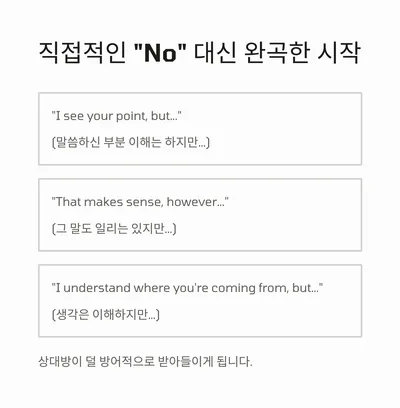
The most crucial aspect of disagreeing in English is to show respect for the other person's perspective while clearly articulating your own thoughts. Instead of a blunt 'No' or 'I disagree,' using phrases like 'I see your point, but...' (I understand what you're saying, but...), 'That makes sense, however...' (That has merit, but...), or 'I understand where you’re coming from, but...' (I get your perspective, but...) can set a more positive tone. In my own experience, employing these softer openings in business meetings significantly reduced defensiveness and led to smoother, more productive discussions. This approach signals that you value their input, even if you don't fully align, creating a foundation for mutual understanding.
What are effective English phrases for disagreeing by offering alternatives?
Related Articles
Rather than simply stating an opinion is incorrect, offering constructive alternatives is a powerful way to disagree in English. Phrases like 'What if we try...?' (How about we attempt this?), 'Another way to look at it could be...' (From a different perspective, we might consider...), or 'Have you considered...?' (Did you think about...?) open up new possibilities without dismissing the original idea. I frequently use this approach in professional settings, as it demonstrates a collaborative spirit focused on problem-solving rather than just opposition. This strategy transforms a potential conflict into a joint effort to find creative solutions.
How can I add my opinion after acknowledging someone's point in English?
Acknowledging the validity of someone's point before adding your own perspective is a highly effective strategy in English discourse. Using phrases such as 'You have a point, but I also think...' (That's a good point, but my thought is...) or 'That’s a valid concern, but from my experience...' (I understand that concern, but based on what I've seen...) allows you to respectfully build upon their idea with your own insights. This method not only validates their contribution but also lends credibility to your viewpoint by grounding it in personal experience or a different angle. I've found this technique particularly useful in complex discussions or business negotiations, as it fosters a more receptive atmosphere for diverse ideas.
What direct phrases should be avoided when disagreeing in English?
To avoid escalating tension and damaging relationships, it's best to steer clear of direct and negative statements when disagreeing in English. Phrases like 'You’re wrong.' or 'That doesn’t make sense.' can be perceived as confrontational and shut down communication. Instead, opt for softer, more diplomatic language such as 'I'm not sure I completely agree.' or 'I see it a bit differently.' Additionally, instead of directly negating their point with 'I don’t think that’s entirely accurate,' it's more constructive to present your alternative viewpoint. Many English learners struggle with these nuances of conversational etiquette, making it essential to practice using appropriate expressions in real-life interactions.
For more details, check the original source below.





