Master the core principles of diaphragmatic breathing and voice training for English pronunciation in this comprehensive 2026 guide. Learn the crucial connection between breath, voice, and pronunciation, along with practical training methods for effective English accent improvement.
Why Is English Pronunciation So Challenging? The Importance of Diaphragmatic Breathing (2026)
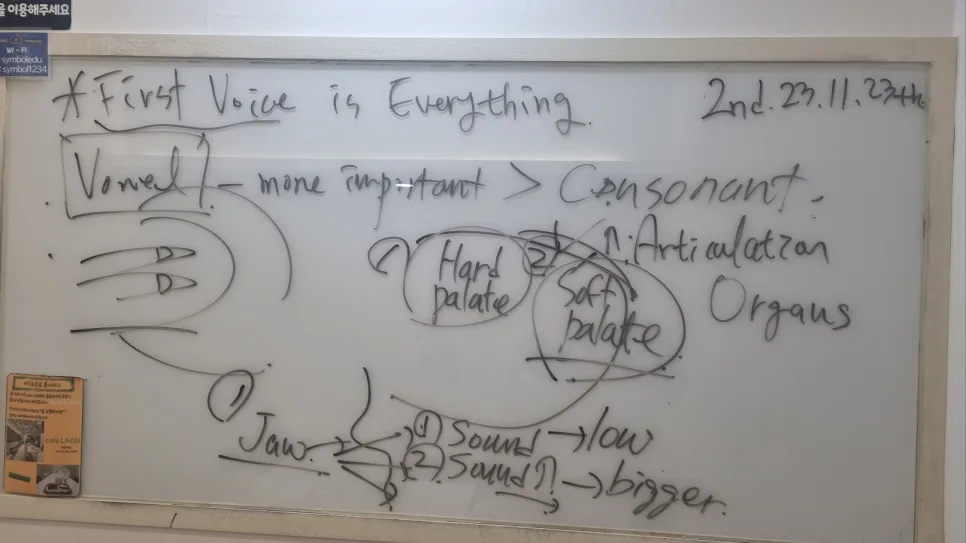
Many people struggle with English pronunciation, but objectively evaluating your own accent can be tough. Our native Korean language habits shape how we speak. However, high expectations for English pronunciation can often lead to self-consciousness. If your communication is clear and effective, don't stress too much! Many individuals find significant improvement through personalized 1:1 coaching for English voice and pronunciation. Diaphragmatic breathing, in particular, is foundational for building vocal strength and clear articulation. Understanding the importance of the initial syllable and securing a stable vocal volume through diaphragmatic breathing is the first step to better English pronunciation.
What Are the Diaphragmatic Breathing Exercises for English Pronunciation Improvement?
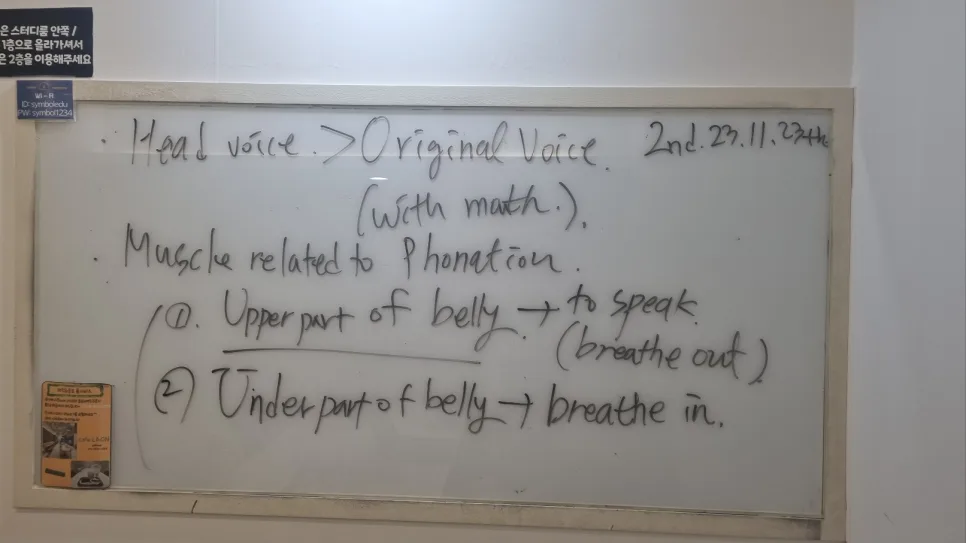
English pronunciation is composed of three key elements: breath, voice, and articulation. Among these, 'breath' is the most fundamental factor determining vocal volume and stability. Diaphragmatic breathing allows for deep, rich breaths using the diaphragm, which helps produce a louder, clearer voice. For training, first inhale deeply using diaphragmatic breathing, then exhale slowly and steadily while producing sound. It's crucial to naturally adjust your mouth shape and tongue movements during this process. Vowel sounds are the basis of all sounds, so consistently practicing vowels with your mouth open is highly effective. Recognizing and controlling the movements of your articulators—jaw, tongue, palate—enhances pronunciation accuracy.
How to Control Volume and Tone in English Voice Production?
Controlling vocal volume and tone is key to enhancing delivery in English speaking. The stable breath support gained from diaphragmatic breathing directly impacts vocal volume. Furthermore, training to direct your voice is essential. Generally, there are various vocal registers like chest voice (resonating in the chest), head voice (resonating in the head), and nasal voice (resonating through the nose). To increase volume, practicing to direct your voice towards your head can be beneficial. Also, the voice used in casual conversation differs from the voice needed for a formal presentation to persuade an audience. Maximizing your delivery power by practicing speaking with appropriate tone and intensity for different situations is crucial.
What Are Common Mistakes to Avoid During English Pronunciation Correction?
One of the common difficulties many face during English pronunciation correction is the 'compulsion to perfectly mimic every sound.' While accurate pronunciation is important, if your accent doesn't hinder communication, excessive perfectionism isn't necessary. Another pitfall is focusing solely on correcting specific sounds influenced by Korean (like 'th', 'r', 'l') while neglecting other vital elements. Pronunciation involves not just mouth shape and tongue position, but also breath, vocal volume, and the rhythm and intonation of speech.
For more details, check the original source below.





