Protecting your apartment elevator during renovations is crucial, and this guide covers the essential steps for damage prevention in 2026. Elevator protection, or 'boyang,' is a mandatory process before any interior work begins to safeguard against scratches, dents, and more serious damage, ensuring your building's common areas remain pristine.
Why Is Elevator Protection Essential During Korean Interior Projects?
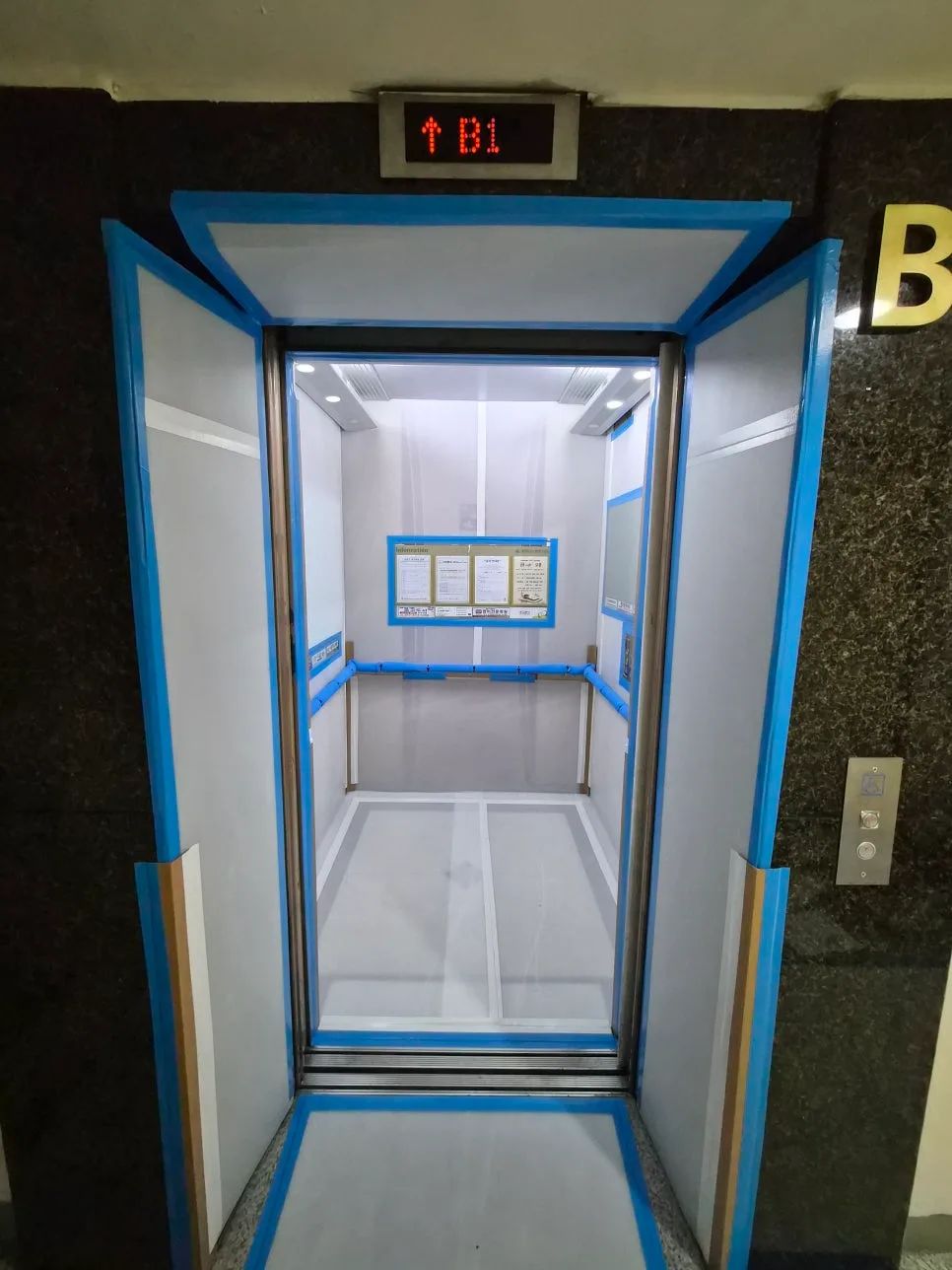
As apartment renovations become more common, so does the need for elevator protection. During peak seasons like moving or remodeling periods, elevator damage incidents rise. The most vulnerable areas are typically the elevator door frames and corners, which frequently suffer impacts from carts and building materials. Ensuring the protective materials remain intact throughout the construction period is vital. This process goes beyond preventing minor scratches; it acts as a critical shield against significant damage, especially in new or high-end apartments where even small imperfections can be problematic. The protective materials must be impact-absorbent and meticulously applied to create a seamless barrier.
How Does Hallway Protection Work in Korean Apartments?
For apartments with finishes like tile or marble, or in new constructions, hallway floor protection is often requested alongside elevator protection. This involves covering the pathways used by workers and equipment to minimize damage to the flooring. Choosing the right protective material is key – it needs to offer sufficient protection without obstructing movement. Securely fastening the materials is also essential for safety. Hallway protection, much like elevator protection, aims to prevent scratches, dents, and stains during the construction phase. For high-traffic or heavy-load routes, thicker, more robust materials are used, and temporary protective walls might even be erected.
Why is Pre-Construction Inspection Crucial for Protection Work?
Before any protection work begins, a thorough inspection of the elevator and hallways is paramount. This step is vital to document any pre-existing marks or damage that could later be mistakenly attributed to the renovation. Documenting the initial condition with photographs and sharing this with residents or the building management prevents future disputes and ensures transparency throughout the project. This due diligence is a cornerstone of professional renovation practices.
What is the Resident Consent Process for Interior Work?
Preparing for interior renovations involves more than just physical protection; it requires navigating the resident consent process. This typically includes submitting necessary paperwork to the building management, posting official notices, and confirming any specific building regulations or resident concerns. Engaging a professional service can streamline this process, handling everything from initial documentation to final notifications, making the start of your renovation smoother.
For more details, check the original source below.