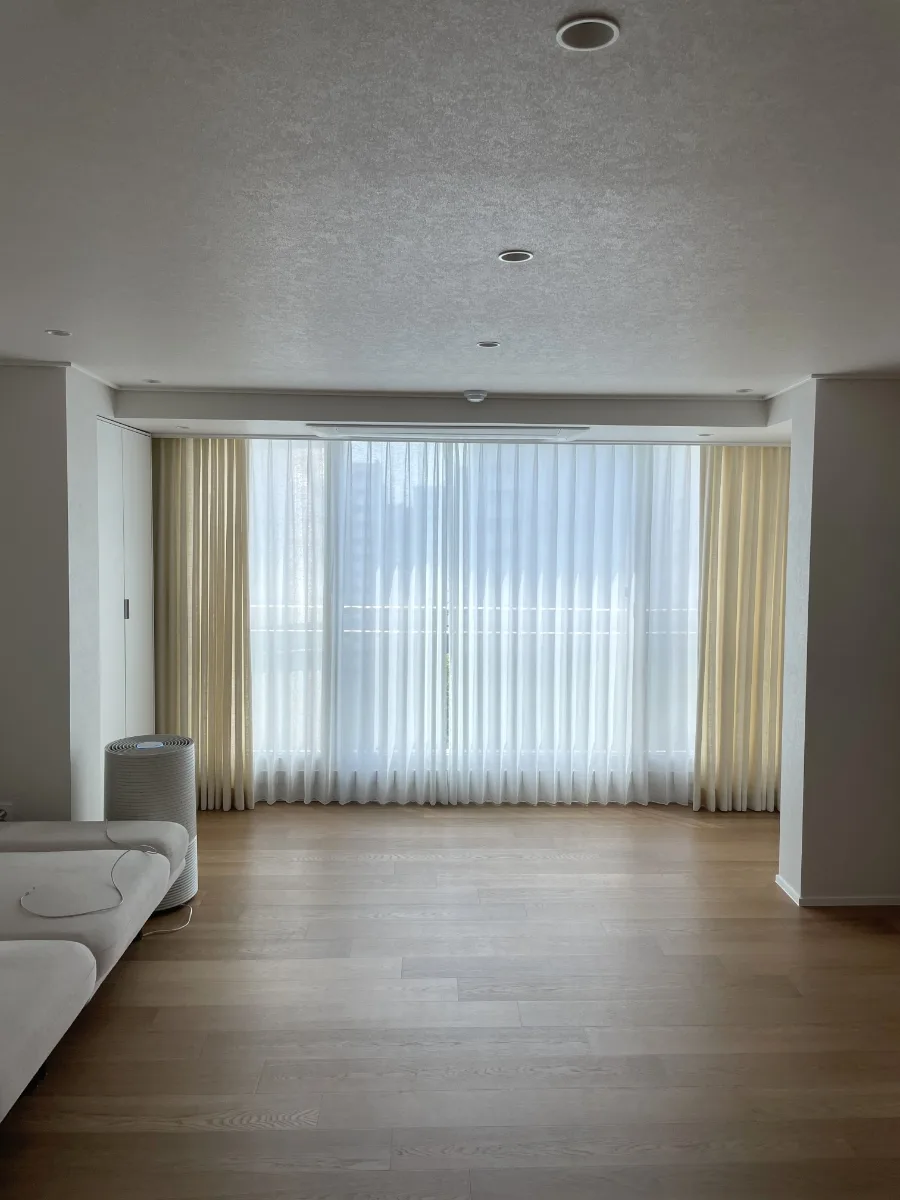
Planning a kitchen sink replacement in your Korean apartment while living there? This guide, inspired by a recent project in Seoul's Brownstone Seocho complex, shows how to refresh your kitchen's look and functionality with minimal disruption. We'll cover smart storage solutions and improved workflows, perfect for American homeowners considering similar renovations.
How Long Does a Kitchen Sink Replacement Take While Living In?
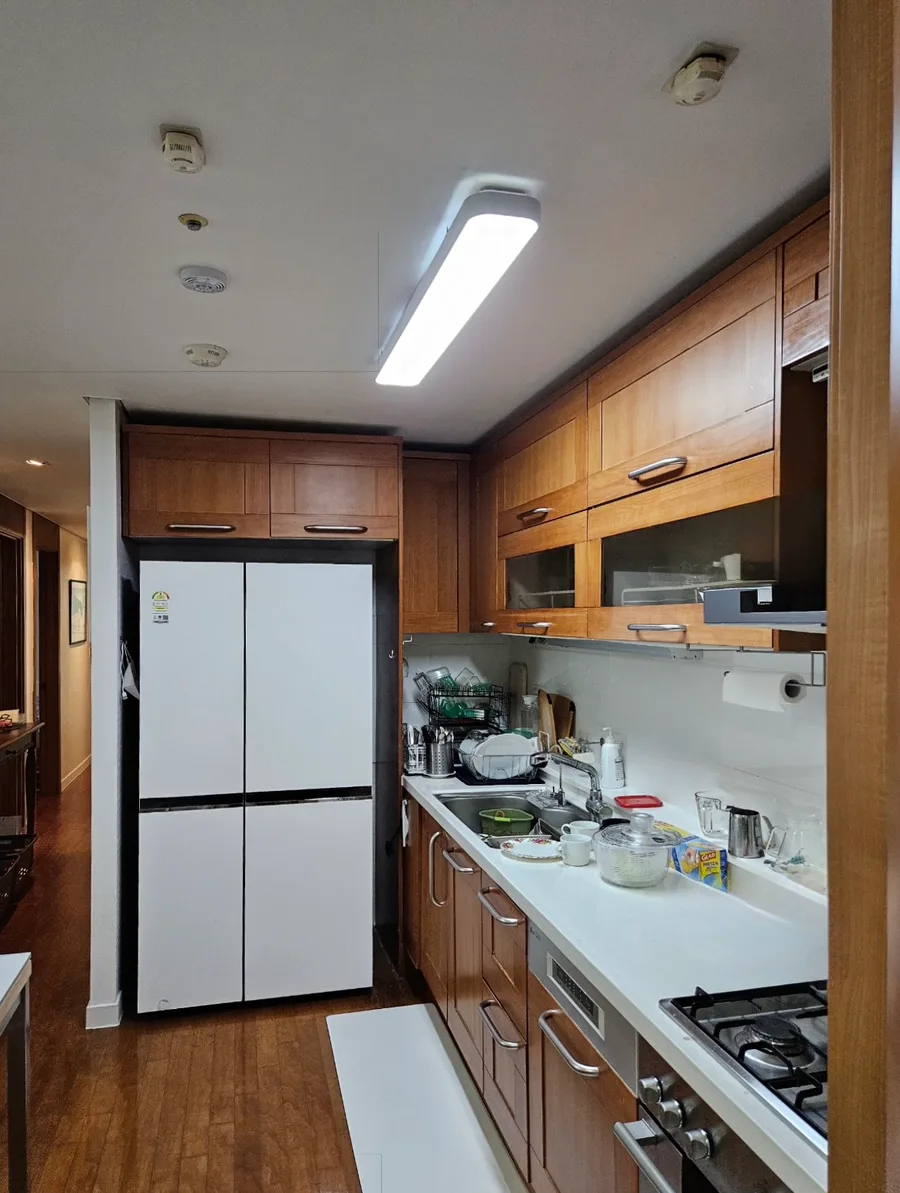
The biggest concern for homeowners undertaking a kitchen renovation while still living in their space is minimizing daily disruption. For a typical sink replacement project, including removal of the old unit and installation of new tiles if needed, the process usually takes about two days. This efficient timeline is achieved by careful planning and scheduling, often coordinating the demolition and tile work on the first day, followed by the new sink installation on the second. For those in apartment buildings or condos, it's crucial to notify building management about potential construction noise beforehand. Some buildings may also require residents to handle elevator protection themselves, so it's wise to check these regulations prior to starting.
Revitalizing Your Kitchen: The Power of White Cabinets and Smart Layouts
You don't always need a complete gut renovation to dramatically change your kitchen's ambiance. By maintaining the existing layout and focusing on cabinet fronts and internal organization, you can achieve a bright, modern aesthetic. For instance, converting an old oven space into practical drawer storage or integrating a built-in dishwasher can significantly enhance usability. A 'ㄱ' (guk-ja, or L-shaped) kitchen layout, common in Korean homes, can be optimized for better workflow. Opting for high-gloss white PET doors, like those used in the Brownstone Seocho example, instantly brightens the space. PET doors offer a sleek finish and are available in both glossy and matte options, allowing for customization to match your desired style. Matte finishes can offer a softer look and a wider color palette, though they might require more careful cleaning.
Choosing the Right Countertops, Sinks, and Faucets for a Premium Feel
Selecting the right materials is key to elevating your kitchen's look and durability. For countertops, a durable and elegant material like LX Hi-Macs (a solid surface material) in a bright white shade (e.g., 'Perna White' 30T) complements white cabinetry beautifully. For the sink, a model like the Baekjo Campore 860, known for its embossed coating, offers resistance to daily scratches and noise reduction. A stylish faucet, such as the Hanssem JF-360L 'waterfall' style in a matte nickel finish, adds a touch of modern sophistication. While the original project reused the existing range hood to save costs, internal cabinet configurations were optimized. This included adding drawers, a dedicated shelf for an air fryer, and maximizing vertical space with additional doors above the refrigerator. All internal cabinet materials should meet safety standards, such as E0 grade, ensuring a healthy home environment.
Common Pitfalls to Avoid During a Kitchen Sink Replacement
One of the most frequent mistakes homeowners make is rushing into a sink replacement without thorough planning. This can lead to choosing features based solely on trends rather than your actual cooking and cleaning habits, or underestimating the need for adequate storage. Understanding the properties of different cabinet door materials is also crucial. High-gloss PET doors are easy to clean but can show scratches, while matte finishes offer aesthetic variety but may be more susceptible to stains. It's essential to consult with a kitchen design specialist to select materials and a layout that truly fits your lifestyle. Always verify apartment building regulations regarding noise, elevator protection, and any necessary permits before work begins to ensure a smooth process.
English crawl path
Next English reads from this pilot cluster
Continue through the category hub, latest English stories, and related posts so this translated article is not an isolated URL.
Tags
💬Frequently Asked Questions
What should I check first in Korean Kitchen Makeover: In-Home Sink Replacement Guide 2026?
Does this Home & Interior article link back to the Korean source?
Where can I find similar English stories?
English discovery path
Explore more English K-culture stories
Keep browsing the indexed English pilot cluster so Google and readers can move between this story, the category hub, and fresh discovery pages.
Original Source
Read the Korean original