Sudden sharp pain in your thigh, making it difficult to lift your leg, could indicate a quadriceps tear. This common sports injury requires prompt diagnosis and appropriate treatment. In Korea, as in the US, understanding the causes and recovery process is key to getting back on your feet.
What Causes a Quadriceps Tear?
A quadriceps tear occurs when one of the four muscles at the front of your thigh is injured. Uniquely, the quadriceps muscle group spans both the hip and knee joints, making it a 'bi-articular' muscle. This structure means it's susceptible to significant tension when you perform movements that involve flexing the hip while extending the knee, such as kicking a soccer ball or sprinting. During these actions, the muscle can experience 'eccentric contraction' – lengthening while under load. If the muscle isn't adequately prepared or is overloaded, it can tear. Many patients report experiencing this injury after insufficient warm-ups or during sudden high-intensity exercise.
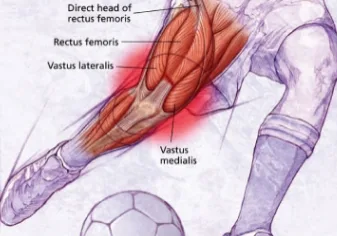
Additionally, lifestyle factors like prolonged sitting can lead to pelvic imbalances and weak core muscles, placing extra strain on the quadriceps and increasing the risk of tears. For those in the US, maintaining good posture and engaging in regular core strengthening can help mitigate these risks.
What Are the Main Symptoms of a Quadriceps Tear?
The hallmark symptom of a quadriceps tear is a sudden 'popping' or tearing sensation in the front of the thigh, accompanied by severe pain. This pain often leads to a feeling of weakness in the leg, making walking difficult and lifting the leg forward challenging. Depending on the severity, swelling and bruising may also appear in the affected area. In some severe cases, you might feel a distinct indentation in the front of your thigh where the muscle has torn. The pain typically worsens with movement and doesn't easily subside with rest. If you experience these symptoms, it's crucial to seek professional medical evaluation rather than dismissing it as a simple muscle strain.
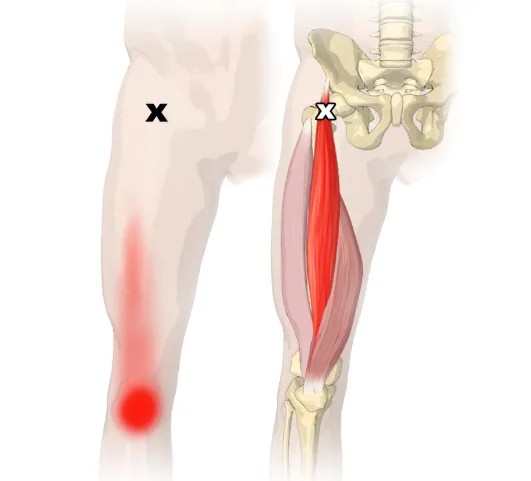
While the intensity of pain, swelling, and bruising can offer clues to the injury's severity, a definitive diagnosis must come from a healthcare professional. For US patients, this means consulting an orthopedic specialist or sports medicine doctor.
How Are Quadriceps Tears Treated and Prevented?
Treatment for a quadriceps tear depends on the extent of the damage. For minor tears, the initial approach typically involves rest, ice, compression, and elevation (RICE protocol), followed by a gradual progression of stretching and strengthening exercises. Over-the-counter pain relievers like ibuprofen can help manage discomfort. However, complete tears or severe injuries may require surgical intervention to repair the torn muscle. Post-surgery, a comprehensive rehabilitation program is essential, often lasting several months and guided by a physical therapist. Prevention is key: always warm up thoroughly before exercise to prepare your muscles, and incorporate dynamic stretching, paying special attention to the bi-articular nature of the quadriceps. Strengthening your core and maintaining good pelvic alignment through exercises like Pilates or yoga can also reduce strain on the thigh muscles. Adjusting your workout intensity to match your fitness level is crucial for avoiding injury. This holistic approach to muscle health is recommended by US sports medicine experts.
For more details, check the original source below.