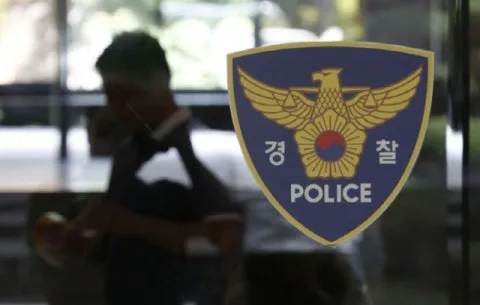
A public official in their 30s at the Chungju City Hall experienced cardiac arrest during lunchtime and was subsequently rushed to the hospital. Swift on-site CPR and the timely use of an Automated External Defibrillator (AED) by emergency responders were crucial in saving the individual's life, highlighting the importance of preparedness in public institutions.
What Happened During the Cardiac Arrest Incident at Chungju City Hall?
An employee in their 30s working at Chungju City Hall suddenly collapsed, showing signs of cardiac arrest during their lunch break. Fortunately, colleagues and bystanders immediately recognized the severity of the situation and initiated prompt first aid. Those present began performing Cardiopulmonary Resuscitation (CPR) without delay. The building's health officer and administrative staff quickly gathered emergency supplies and contacted 119 (Korea's emergency services number). Upon arrival, paramedics utilized the facility's Automated External Defibrillator (AED) and provided advanced medical care before transporting the official to a nearby hospital. This coordinated and rapid response was instrumental in preserving the individual's life.
What Can Civilians Do in a Sudden Cardiac Arrest Emergency?
Facing a sudden cardiac arrest in a public space or during daily life can be daunting, but civilian first response significantly impacts survival rates. The absolute first step is to call 119 immediately. While on the line or immediately after, alert those around you and, if possible, locate and prepare an Automated External Defibrillator (AED). AEDs are vital devices that analyze heart rhythm and can deliver an electrical shock to restore a normal heartbeat. Furthermore, knowing basic Cardiopulmonary Resuscitation (CPR) techniques can maintain blood flow to the brain and vital organs, greatly increasing the chances of survival. Participating in CPR training offered by reputable organizations like the American Heart Association is highly recommended to prepare for such emergencies.
How Important Are Emergency Medical Systems in Public Institutions, and What Needs Improvement?
The incident at Chungju City Hall underscores the critical importance of emergency medical systems within public institutions. While many government offices are equipped with basic first aid supplies and trained personnel, their effectiveness hinges on swift and efficient activation during a real emergency. Regular emergency response drills are essential to ensure staff proficiency. Clearly marking the location of AEDs and maintaining up-to-date emergency contact lists are also vital. Beyond public institutions, promoting CPR education and expanding AED accessibility in private companies and homes through policy support is crucial. These collective efforts can significantly minimize casualties when unexpected medical emergencies occur.
What Actions Should Be Strictly Avoided During an Emergency?
In an emergency, panic can lead to actions that may inadvertently harm the victim. It's crucial to avoid moving or unnecessarily repositioning a patient, especially if their condition is unclear. For cardiac arrest victims, such movements can hinder recovery. Attempting to use an AED without understanding its operation or performing CPR too forcefully, potentially causing rib fractures, are also common mistakes. Therefore, it is best to be trained in proper emergency procedures and follow the guidance of 119 emergency personnel. Never attempt to give fluids to an unconscious person, as this poses a serious choking hazard.
For more details, check the original source below.