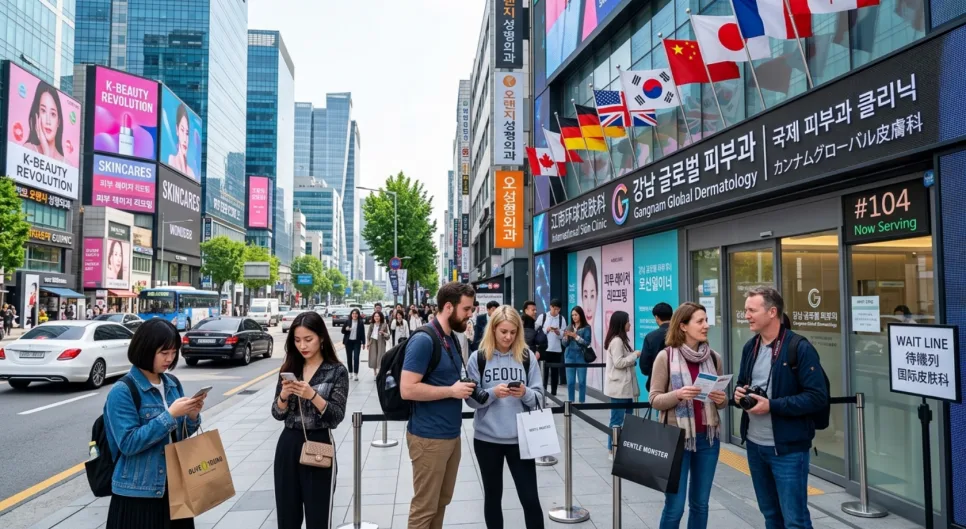
Fueled by the global popularity of K-beauty and the Hallyu wave, South Korea's medical tourism sector is booming, with visitor numbers projected to surpass 2 million in 2026. This surge is injecting new life into the national economy, but it also casts a shadow over the domestic healthcare system. This article delves into the current state of Korean medical tourism, its economic impact, and the challenges that lie ahead.
What’s Driving the Surge in Korean Medical Tourism in 2026?
In 2026, South Korea's medical tourism market is set to achieve a landmark, welcoming over 2 million foreign patients for the first time. This represents a more than fourfold increase from the 500,000 visitors recorded in 2019, prior to the COVID-19 pandemic. A primary catalyst for this dramatic growth is the implementation of visa-waiver policies for Chinese citizens, leading to a significant influx of patients from China. By 2026, Chinese patients are expected to constitute approximately 30.8% of all foreign medical tourists, surpassing Japan to become the largest demographic. The worldwide appeal of K-beauty and Korean pop culture has also been instrumental in attracting medical tourists. Korean dramas, the flawless appearances of K-pop idols, and extensive online reviews of Korean cosmetic procedures shared on platforms like YouTube have ignited global interest, establishing 'Korean medical tourism' as a significant trend. Notably, the average expenditure per Chinese medical tourist reaches approximately $7,000 USD, underscoring a strong willingness to invest in high-quality medical services.
Why the Focus on Dermatology and Plastic Surgery?
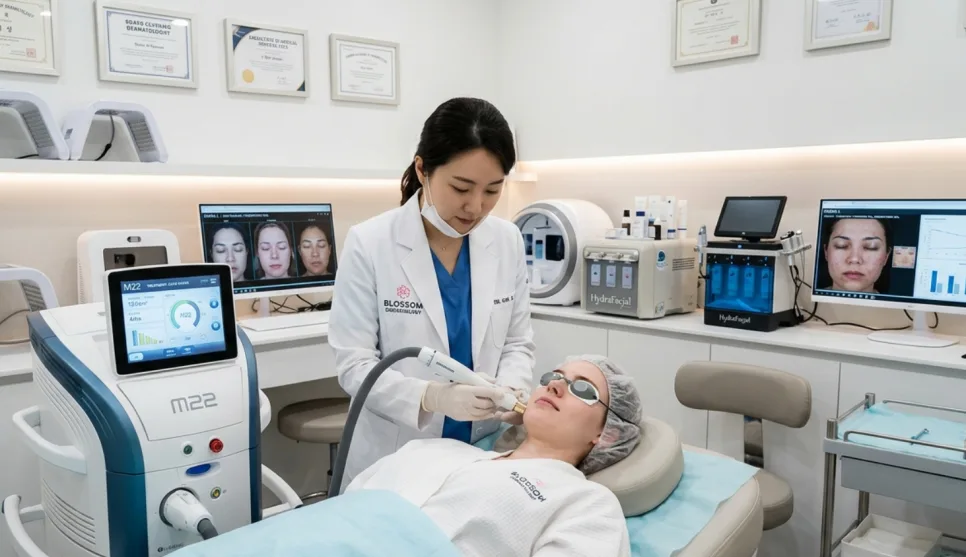
A defining characteristic of Korean medical tourism in 2026 is the pronounced concentration on aesthetic procedures, particularly within dermatology and plastic surgery. Approximately 62.9% of all foreign patients sought dermatological treatments, with plastic surgery accounting for another 11.2%. This indicates that over three-quarters of medical tourists are visiting Korea specifically for cosmetic enhancements. This trend is largely attributable to the combination of cost-effectiveness and cutting-edge medical expertise. Korean dermatology clinics offer competitive pricing compared to other Asian destinations like Thailand or Singapore, while simultaneously delivering world-class medical technology. Many international visitors find that even after factoring in flights, accommodation, and medical fees, the total cost remains significantly lower than undergoing similar procedures in their home countries. Demand for non-surgical treatments such as fillers, Botox, and laser therapies, which require minimal recovery time, has surged. These procedures are particularly attractive to tourists who can achieve noticeable results within a short travel itinerary.
A $9.3 Billion Economic Boost – But at What Cost?
The economic impact of Korean medical tourism in 2026 is substantial. Industry research indicates that the total expenditure by foreign patients and their companions reached an estimated 12.5 trillion KRW (approximately $9.3 billion USD) last year. Of this amount, 3.3 trillion KRW was spent directly on medical services, with the remainder fueling local economies through spending on accommodation, dining, shopping, and transportation. Areas like Gangnam and central Seoul are experiencing a resurgence, with hotels, beauty salons, restaurants, and duty-free shops benefiting from the influx of medical tourists. The dental sector, for instance, has seen a remarkable 128.9% increase in patient visits, demonstrating a significant ripple effect across various industries beyond direct medical care. This positive economic contribution highlights the potential of medical tourism to drive Korean economic growth. However, beneath this impressive financial performance lie critical concerns that warrant careful consideration.
Strain on Domestic Healthcare: Are We Paying the Price?
The rapid expansion of medical tourism is placing new pressures on South Korea's domestic healthcare system. While foreign patients typically cover their medical expenses out-of-pocket, thus not directly impacting the national health insurance fund, a significant concern is the concentration of medical infrastructure and resources towards specific sectors, primarily aesthetic medicine, to cater to international demand. This has led to instances where Korean patients face difficulties securing appointments at popular dermatology clinics, particularly in areas like Gangnam. Furthermore, there's a growing worry that the migration of medical professionals to the lucrative medical tourism sector could potentially diminish the quality of care and accessibility for domestic patients. South Korea's national health insurance system is already grappling with structural challenges, including rising healthcare costs due to an aging population. The intensified competition for medical resources driven by increased medical tourism could exacerbate these existing issues. Therefore, a balanced policy approach is urgently needed to maximize the benefits of medical tourism while ensuring the long-term sustainability and accessibility of the domestic healthcare system for all citizens.
English crawl path
Next English reads from this pilot cluster
Continue through the category hub, latest English stories, and related posts so this translated article is not an isolated URL.
Tags
💬Frequently Asked Questions
What should I check first in Korean Medical Tourism 2026: Beyond K-Beauty, Exceeding 2M Visitors?
Does this Health & Wellness article link back to the Korean source?
Where can I find similar English stories?
English discovery path
Explore more English K-culture stories
Keep browsing the indexed English pilot cluster so Google and readers can move between this story, the category hub, and fresh discovery pages.
Original Source
Read the Korean original