
As of 2026, new Alzheimer's treatments are showing promise in slowing disease progression, offering hope, especially for early-stage patients. However, these treatments aren't universally applicable and require a careful approach to ensure effectiveness and safety. This guide breaks down what you need to know about these advancements for your loved ones.
How Do Alzheimer's Disease-Modifying Treatments Work?
Current Alzheimer's treatments available in some regions, like lecanemab (Leqembi) and donanemab (Eli Lilly's donanemab, not yet widely approved in US as of this writing, but expected), function as Disease-Modifying Treatments (DMTs). Unlike older medications that only managed symptoms, these new drugs directly target and help clear amyloid-beta plaques in the brain, a key hallmark of Alzheimer's disease. This approach aims to slow down the underlying disease process. It's crucial to understand that these are not cures; they don't regenerate damaged brain cells. The most significant benefits are seen when treatment begins during the mild cognitive impairment (MCI) or early stages of Alzheimer's, when brain cells are still viable. Think of it like clearing a clogged pipe – it's most effective before the damage becomes irreversible. These therapies can have side effects like brain swelling or microhemorrhages, necessitating regular monitoring with high-resolution MRI scans and specialized PET-CT scans or cerebrospinal fluid tests, typically performed at major medical centers or designated research hospitals.
Why Is Early-Stage Treatment Crucial for Alzheimer's?
Alzheimer's disease progresses through distinct stages, each with different implications for treatment. The earliest phase involves the buildup of amyloid plaques, often years before any noticeable symptoms appear. This is the period where DMTs are most effective at slowing the disease's march. The next stage includes the onset of mild cognitive impairment (MCI) or early Alzheimer's, where amyloid plaques trigger tau tangles and neuronal damage. Initiating treatment here can significantly slow cognitive decline. The final stage is severe Alzheimer's, characterized by extensive neuronal loss. In this advanced stage, removing amyloid may offer limited benefits compared to the potential risks of side effects, as the underlying neural network for cognitive function is too compromised. Therefore, catching Alzheimer's in its early stages and starting appropriate treatment is vital for maximizing the potential benefits and preserving quality of life for as long as possible.
What Happens If You Miss the Golden Window for Alzheimer's Treatment?
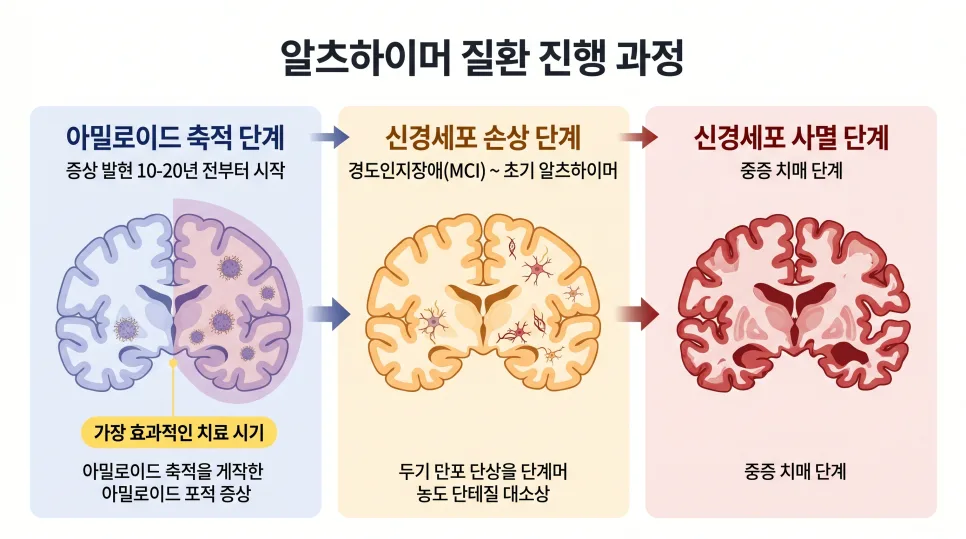
Missing the optimal window for Alzheimer's treatment can lead to several unfavorable outcomes. Firstly, if the disease progresses beyond the mild cognitive impairment or early stages into moderate or severe Alzheimer's, patients may no longer meet the criteria for receiving these advanced disease-modifying therapies. Secondly, even if treatment is initiated later, the damaged neural pathways may not recover significantly. While amyloid plaque removal might still occur, the brain's ability to function effectively may be too impaired to see substantial cognitive improvement, leading to results focused solely on slowing further decline rather than recovery. Lastly, delaying treatment can prolong the overall duration of care and potentially increase associated costs. Early diagnosis and prompt intervention are key to achieving the best possible outcomes for both the patient and their caregivers. Clinical trials for drugs like lecanemab have shown a reduction in cognitive decline by approximately 27%, and donanemab by around 35%, potentially extending the period of independent living by months to years.
Frequently Asked Questions About Alzheimer's Treatments
Here are answers to common questions about the latest Alzheimer's treatments.
Alzheimer's Treatment FAQs
Q. Can I get an Alzheimer's treatment at a local clinic?
A. Currently, advanced Alzheimer's treatments like lecanemab require regular monitoring for side effects such as brain swelling or microhemorrhages. Therefore, they are typically administered only at comprehensive medical centers or designated hospitals equipped with high-resolution MRI scanners and facilities for amyloid confirmation tests (PET-CT or cerebrospinal fluid analysis). While some local clinics may offer initial blood tests (like p-tau217) for screening, they will refer patients to specialized centers for definitive diagnosis and treatment.
Q. Will Alzheimer's treatments restore full daily function?
A. These Alzheimer's treatments are not cures that reverse the disease. However, clinical studies indicate they can significantly slow the rate of cognitive decline, helping patients maintain their ability to perform daily activities independently for a longer period. This extension of functional independence is a significant benefit for both the patient and their caregivers.
Q. What financial assistance is available for expensive Alzheimer's treatments?
A. As of 2026, some government subsidies are available depending on income level and disease stage, but out-of-pocket costs and non-covered expenses can still be substantial. It's recommended to check with your local Alzheimer's Association or health support centers for the latest information on financial aid programs, potential insurance coverage (like Medicare or private plans), and any special exemptions that might apply. Consulting with a healthcare provider or financial advisor is advisable to understand your specific situation.
For more details, check the original source below.