The outcome of the US-China summit will have a complex impact on South Korea's economy, particularly influencing the future of its vital semiconductor industry. Increased exports of Chinese-made memory chips could affect the profitability of domestic Korean chipmakers.
How Will the US-China Summit Affect the Korean Economy?
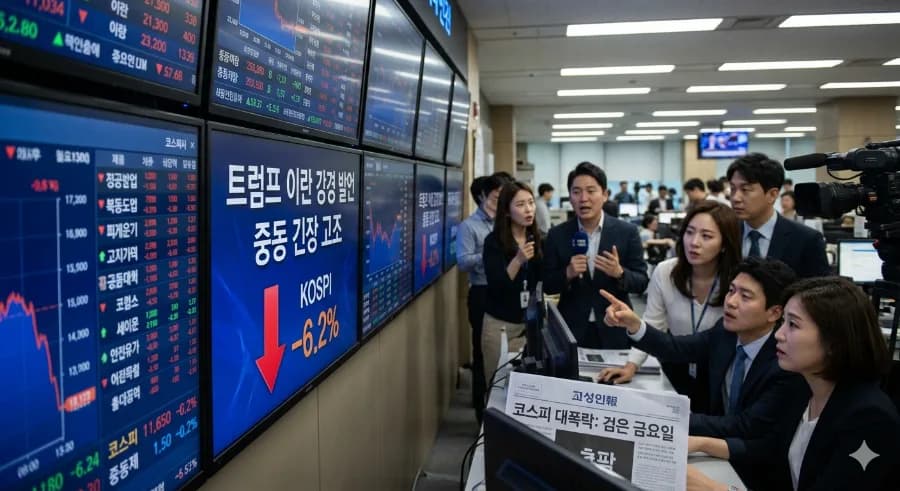
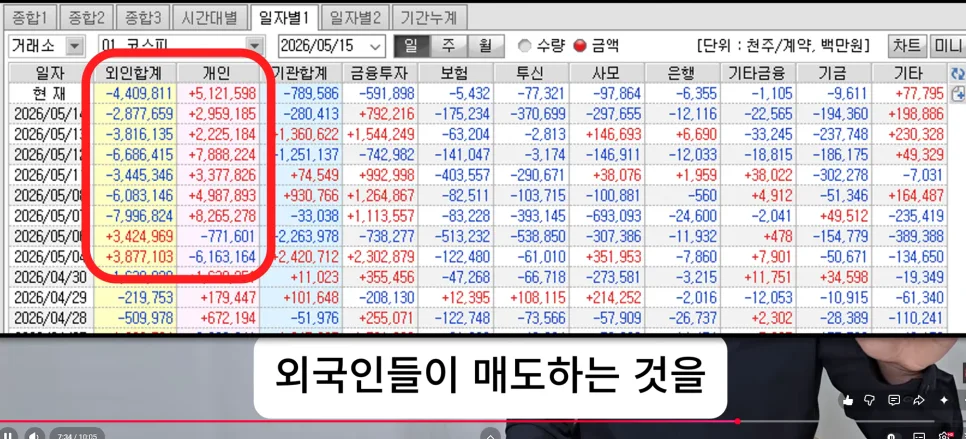
Recent developments following the US-China summit are creating mixed outlooks for South Korea's economy, especially its semiconductor sector. Historically, when the US has avoided imposing tariffs on Korean semiconductors, the stock prices of domestic chip companies have risen. However, rising prices for Korean memory chips have increased costs for major US tech companies, impacting their profitability. This situation is leading to speculation that the US might seek to reduce costs by allowing increased supply of Chinese-made memory chips. Foreign investors have shown a net selling trend in the KOSPI market in May, underscoring the significant influence of US-China trade negotiations on the Korean economy.
What Changes Can We Expect in the Semiconductor Market Amidst US-China Trade Talks?
Recent reports suggest positive signs in US-China trade relations, including the potential resumption of NVIDIA's H200 sales and President Xi Jinping's planned visit to the US in the fall. These developments could pave the way for increased exports of lower-cost Chinese memory semiconductors to the US. This presents a challenge for Korean memory chip manufacturers, potentially intensifying price competition. Additionally, news of Elon Musk's semiconductor (memory) factory construction is noteworthy. Given his technical expertise and ability to implement automated systems using AI robots, Musk could emerge as a disruptive force in the future memory chip market. It's important to remember that the US has historically been a leader in semiconductor technology, making such shifts plausible.
What is the Future Outlook for South Korea's Domestic Memory Semiconductor Industry?
The domestic memory semiconductor market is currently in a consolidation phase. If the aforementioned concerns materialize, it could exert downward pressure on the broader KOSPI market. Specifically, alongside labor union issues at Samsung, the potential increase in Chinese memory chip exports due to US-China trade negotiations will directly impact the profitability of Korean companies. Once these developments are widely reported in the media, the KOSPI index may likely see a decline. Therefore, Korean semiconductor companies must prepare for this uncertainty by focusing on price competitiveness and developing differentiated, high-value products. For individual investors, closely monitoring these macroeconomic indicators and industry trends is crucial for making prudent investment decisions.
What Should Investors Consider When Investing in Semiconductors?
The semiconductor industry is highly technology-intensive and requires substantial capital investment, demanding a cautious approach from investors. Various external factors, such as the US-China tech rivalry, global supply chain realignments, and national policies promoting the semiconductor industry, can significantly influence stock prices. Investors should consider not only the performance of individual companies but also macroeconomic indicators, currency fluctuations, and raw material prices. The memory semiconductor market is particularly sensitive to these dynamics.
For more details, check the original source below.