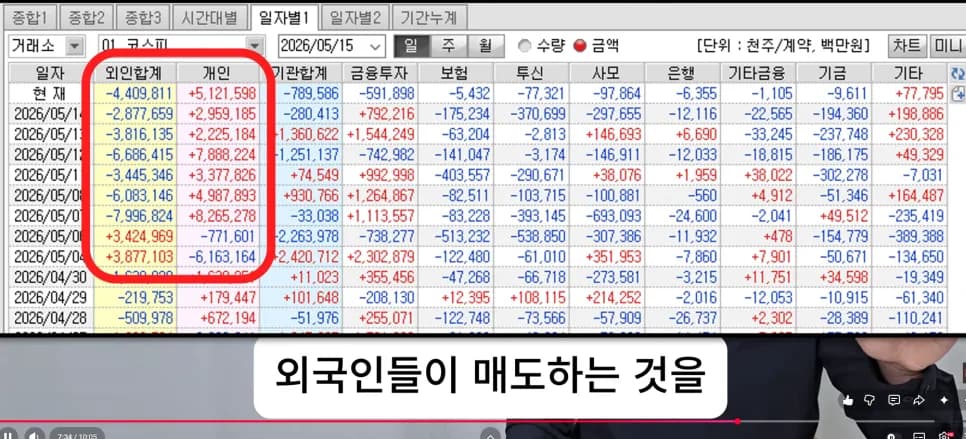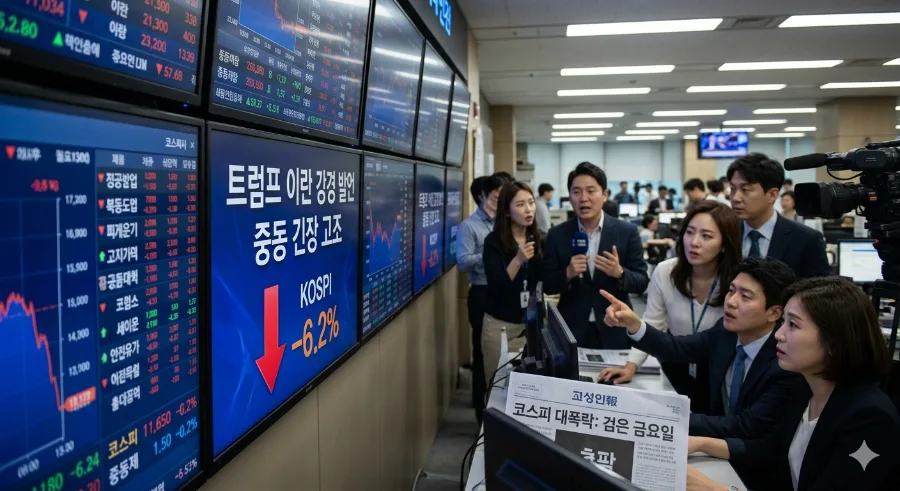
Wondering why the KOSPI (Korea Composite Stock Price Index) suddenly plummeted? The recent market crash was triggered by a combination of factors: remarks from former President Trump, a sharp rise in exchange rates and interest rates, and overall market fatigue after a period of strong gains. We'll break down the key reasons behind the KOSPI's sharp decline, drawing from direct analysis.
What Trump's Remarks Sparked the KOSPI Plunge?
The South Korean stock market experienced significant shockwaves following unexpected strong remarks from former U.S. President Trump regarding Iran. His statement, suggesting potential 'obliteration' if negotiations failed, significantly escalated geopolitical tensions in the Middle East. This created widespread anxiety and fueled concerns about a potential conflict, leading investors to adopt a risk-averse stance. Consequently, many began selling off stocks, directly contributing to the KOSPI's sharp downturn. This geopolitical risk is widely cited by investors as the primary driver behind the recent market drop.
How Did Rising Exchange Rates and Interest Rates Impact the KOSPI?
Amidst the geopolitical instability, concerns over rising oil prices and broader inflation intensified. This environment saw U.S. Treasury yields climb sharply. Simultaneously, the U.S. dollar strengthened significantly against the South Korean won, with the exchange rate surpassing the 1,500 KRW mark. For international investors, this combination of a weaker won and higher U.S. interest rates diminishes the attractiveness of the South Korean market. It increases the opportunity cost of holding Korean stocks, accelerating capital outflow from the country and exerting considerable downward pressure on the KOSPI index.
What is Market Fatigue and How Did It Affect the KOSPI?
Following a period of rapid ascent, with the KOSPI even breaking the historical 8,000-point mark, market fatigue set in. This refers to a situation where investors, having seen substantial gains, begin to take profits, leading to increased selling pressure. This effect was amplified by the negative external news, creating a perfect storm for a market downturn. Additionally, discussions around potential government policies regarding dividend or profit repatriation from AI-related companies added a layer of uncertainty to the corporate landscape, further dampening investor sentiment and encouraging more selling.
What Should Investors Watch Out for During a KOSPI Crash?
During periods of extreme market volatility, it's crucial to avoid making emotional investment decisions. Instead of reacting impulsively to short-term fluctuations, take the opportunity to re-evaluate the fundamental value and long-term growth prospects of your portfolio holdings. It's also essential to accurately identify the key factors driving the market downturn and analyze their potential future impact. For instance, determine whether the geopolitical risks are likely to be temporary or prolonged. Reassess your portfolio based on your investment strategy and financial situation, and consider seeking advice from a qualified financial professional. Remember, financial investment information falls under YMYL (Your Money Your Life) and requires careful consideration based on individual circumstances.
For more detailed market analysis, refer to the original source.