Suddenly unable to sell your stocks? Stock trading halts are essential safety measures designed to protect investors. This guide clarifies the reasons behind trading suspensions and outlines investor actions for 2026, ensuring you understand these critical market events.
Why Do Stock Trading Halts Happen Unexpectedly?
Trading halts are crucial for maintaining fairness and stability in the stock market. When a company announces significant positive or negative news, or if unusual trading activity is detected, exchanges may temporarily halt trading. This pause prevents extreme price volatility driven by incomplete information and allows investors time to digest the news. For instance, experiencing a trading halt for a stock split, as I did with CS stock, can be initially alarming but ultimately reassuring once the reason is understood. These halts serve as vital investor protection mechanisms.
What Are the Different Types of Stock Trading Halts?
Stock trading halts generally fall into several categories. Firstly, they occur when significant company news is released, such as mergers, acquisitions, or major contract announcements. This allows the market time to process the information. Secondly, halts can happen during an 'imminent delisting review' or 'continued listing review' process, where the exchange investigates a company's compliance with listing requirements, including potential accounting irregularities or illegal activities. This investigation period ensures transparency and investor confidence.
What Happens During Stock Splits or Mergers?
Changes to a stock's structure, like a stock split (e.g., turning one share into multiple) or a reverse stock split (combining multiple shares into one), also trigger trading halts. These pauses are necessary for administrative tasks and system updates related to the share restructuring. Additionally, if a stock experiences extreme price fluctuations or is flagged for excessive trading, it might be temporarily halted for a day or so to curb short-term speculation and prevent market manipulation. In severe cases, if a company faces significant financial distress and is at risk of delisting, trading may also be suspended to protect investors from further losses.
What Should Investors Do During a Trading Halt?
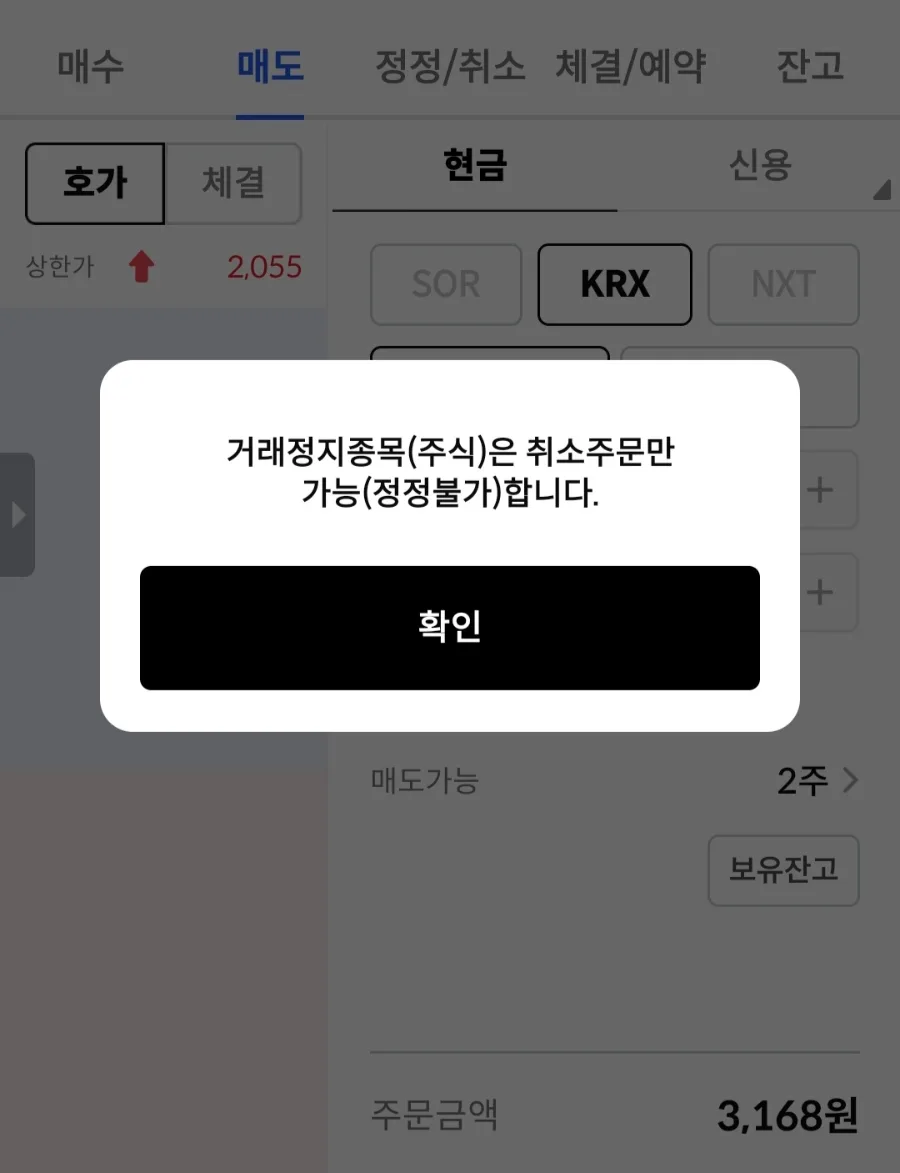
During a trading halt, you cannot place new buy or sell orders, and existing orders can typically only be canceled. The most critical action is to check the official announcements from the stock exchange for the reason behind the halt. Once the issue is resolved, trading will resume. It's important to remain calm and wait for the official resumption notice rather than making hasty decisions. Depending on your individual investment strategy and the impact of the halt on your portfolio, consulting with a financial advisor might be beneficial. Maintaining a long-term investment perspective is key.
For more details, check the original source below.