In 2026, the solar energy sector faces a complex outlook. While recent US-China summit discussions have introduced uncertainty and led to stock price fluctuations, long-term prospects remain positive, driven by technological advancements and supply chain realignments. Companies like OCI Holdings, with diversified portfolios, are well-positioned to navigate these shifts and capitalize on emerging opportunities.
How Did US-China Summit Talks Impact Solar Stocks?
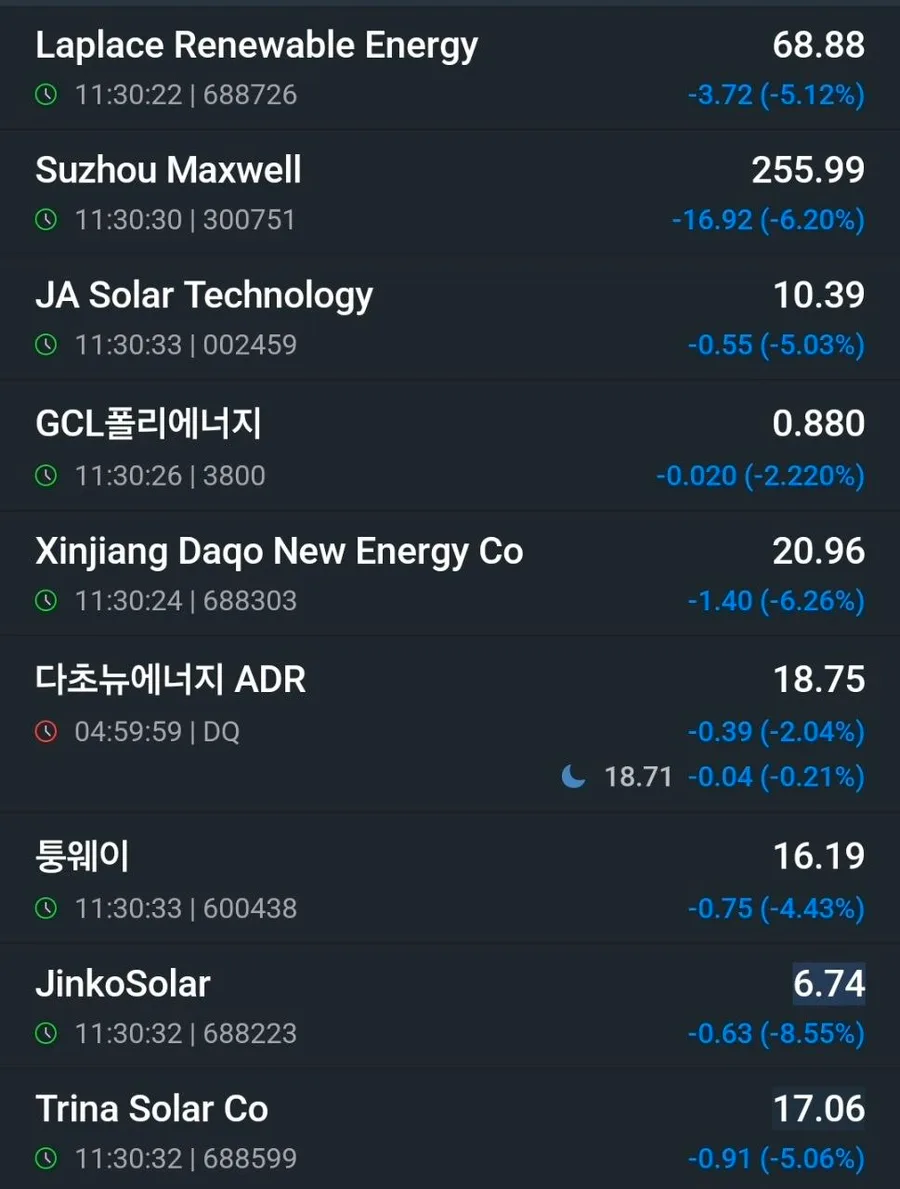
Leading up to the recent US-China summit, concerns about a potential easing of US de-sinicization policies in the supply chain caused a significant downturn in solar industry stocks. This reaction stems from the fact that Korean clean energy companies have benefited from US efforts to counterbalance China's dominance in the sector. Major Korean players, including Hanwha Solutions, OCI Holdings, and HD Hyundai Solution, experienced notable price drops, mirroring a weaker trend among Chinese solar manufacturers. However, given that the summit did not yield specific announcements regarding solar energy policy and the impact on Chinese firms was relatively contained, the recent stock declines may be an overreaction.
What Are the Current Solar Supply Chain Price Trends?
Across the solar supply chain, prices are currently stable or showing a slight decline. Polysilicon, wafer, and solar cell prices have all seen modest decreases, largely due to ongoing oversupply and accumulated inventory. Despite upward cost pressures, the substantial existing stock levels are preventing significant price hikes. Non-China polysilicon prices, in particular, remain stable with minimal volatility. The resolution of this supply-demand imbalance is expected to be a key factor influencing the future trajectory of the solar market.
What is the Market Outlook for the US and EU, and for OCI Holdings?
Module prices in the US and EU markets have largely held steady. While US de-sinicization policies continue to shape the market, the summit has introduced some market sentiment shifts due to expectations of regulatory adjustments. Amidst this uncertainty, OCI Holdings maintains a positive outlook. Its strategic collaborations with major tech companies and involvement in space-related projects, particularly those tied to national security, could insulate it from the direct impacts of US-China rapprochement, potentially making its current stock valuation an attractive buying opportunity.
What Should Investors Consider When Investing in Solar?
The solar industry is susceptible to structural oversupply and geopolitical risks, such as those influenced by US-China relations. Investors should conduct thorough due diligence, evaluating individual companies' technological capabilities, the diversity of their business portfolios, and their strategic positioning within the evolving global supply chain. Companies like OCI Holdings, with diversified business structures, may offer more resilience during periods of market volatility. All investment decisions should be made responsibly and with careful consideration, ideally after consulting with a qualified financial advisor. This is not financial advice. Consult a licensed financial advisor.
For more details, check the original source below.