The era of extreme borrowing, known as 'Yeongkkul' (영끌), to buy Seoul apartments is effectively over. It's now significantly harder to purchase a home without substantial personal capital, and the trend shows a sharp decrease in reliance on loans, making a strong equity position essential.
What's Behind the Government's Tightened Lending Rules in 2026?
The South Korean government's persistent tightening of lending regulations goes beyond mere household debt management. In 2026, the reduction in Loan-to-Value (LTV) ratios and the inclusion of the Debt Service Ratio (DSR) for *jeonse* (lump-sum rental deposit) loans clearly aim to manage systemic risks in the real estate market and curb excessive leveraged investments. Alongside efforts to increase housing supply, the government is attempting to cool down speculative demand, forcing a shift towards transactions centered on personal equity. Financial institutions have consequently become much stricter with loan approvals, making the high-leverage strategies of the past virtually impossible.
Who's Winning and Losing in the Current Real Estate Market?
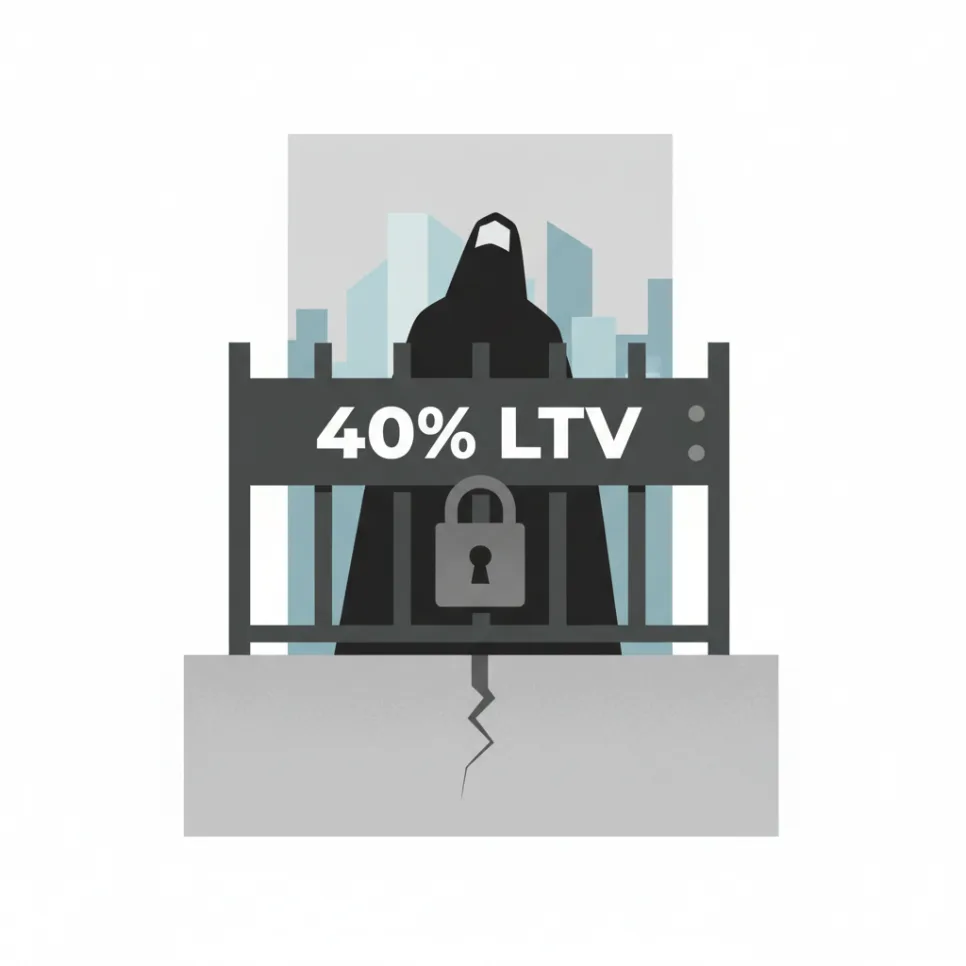
In the current market climate, individuals with ample cash reserves and personal equity are in the strongest position. As the market stabilizes, there's an increased likelihood of distressed sales from those who overleveraged with loans, presenting opportunities for well-capitalized buyers. Conversely, investors who heavily relied on leverage, such as through *gap* investments (buying a property with a small down payment by using the tenant's deposit), are facing a double whammy of reduced loan limits and rising interest rates, leading to sluggish sales. This shift is impacting not only the Seoul apartment market but the broader national real estate landscape.
What Are the Practical Strategies for Homeownership in 2026?
If you're planning to buy a home in 2026, the first crucial step is to accurately assess your DSR limit and the actual cash you can mobilize. The old model of financing over 70% of a property's value with loans is no longer viable. First, consult with financial institutions to determine the actual loan amount you can secure against the estimated appraisal value of your target property. Second, to account for potential interest rate hikes, it's vital to plan conservatively, ensuring your monthly principal and interest payments do not exceed 30% of your monthly income. Third, avoid areas with concentrated new housing supply following government policy announcements and focus your search on regions with robust owner-occupier demand.
The End of the 'Yeongkkul' Era: What Precautions Should You Take?
While the end of the 'Yeongkkul' era signals a move towards a healthier real estate market, there are important precautions to consider. Firstly, excessive reliance on loans can become a significant risk during periods of rising interest rates, so thoroughly assess your repayment capacity. Secondly, impulsive 'Yeongkkul' investments can lead to irreversible financial difficulties; it's essential to adjust your strategy towards increasing your personal equity contribution. Lastly, don't rule out the possibility of a sharp real estate market downturn, and approach your decisions with a long-term perspective. Since individual financial situations and market outlooks vary, consulting with a financial expert to tailor the best strategy for you is highly recommended. This is not financial advice. Consult a licensed financial advisor.
For more details, check the original source below.