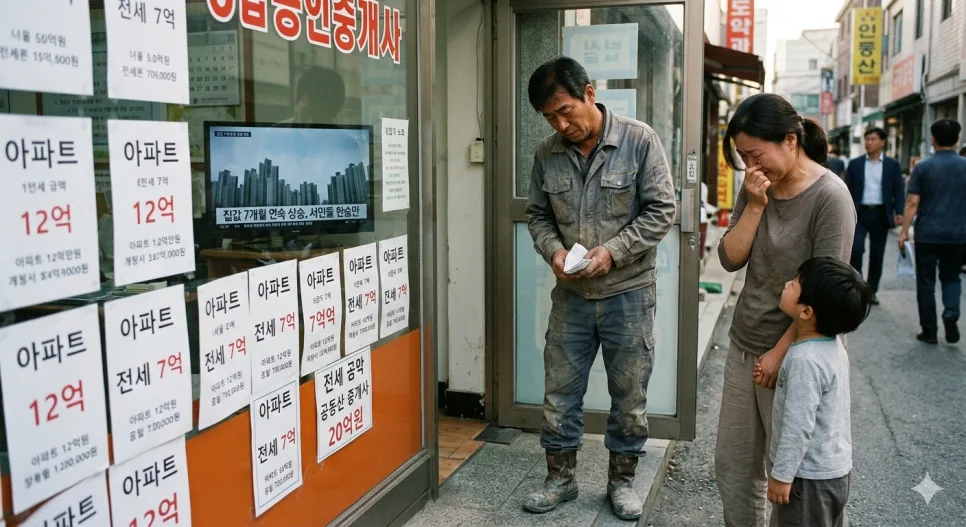

Seoul's housing market in 2026 is showing signs of a significant upswing, reminiscent of the 2021 boom. The current Seoul apartment sales market is experiencing a surge, with price increases more than double that of the previous year, while the rental market faces an unprecedented shortage, driving prices sky-high. This analysis delves into the key indicators and underlying causes of these market trends, offering insights into what US investors and potential residents need to know.
Seoul Apartment Market 2026: Why the U-Shaped Rebound?

After a brief dip earlier in the year, Seoul apartment sales prices began to widen their gains in April, exhibiting a U-shaped rebound pattern. As of the second week of May 2026, the cumulative increase in Seoul apartment sales prices stands at 3.10%, more than double the 1.53% recorded during the same period last year. Key factors fueling this renewed buyer enthusiasm include the impending end of the capital gains tax reduction for multiple homeowners, which has led to a cautious withdrawal of properties from the market. Additionally, sustained increases in market liquidity and a growing preference for real assets have intensified demand. The anticipated expiration of the capital gains tax deferral has already seen a digestion of distressed properties, amplifying concerns about supply shortages and further stimulating pent-up demand.
Seoul Rental Market: Worst Shortage Since 2021
The most alarming warning signs in Seoul's real estate market are currently flashing not in the sales sector, but in the rental market. By the second week of May 2026, the cumulative increase in Seoul apartment rental prices had reached 2.89%, a staggering sixfold increase compared to the 0.48% seen in the same period last year. This surge has pushed the average Seoul apartment rent to a record high of approximately $500,000 USD as of April (based on ₩681.47 million). In particular, outer districts like Nowon-gu, Jungnang-gu, and Gangbuk-gu have seen rental listings plummet by over 80% since the beginning of the year, reaching a 'listing disappearance' phase. The primary drivers behind this severe rental crunch are a combination of factors: the 'contract renewal request right' (which limits new listings as existing tenants renew), a strong preference for apartments due to concerns over 'jeonse' scams in other property types, and a critically insufficient supply of new housing units in Seoul.
The Rise of the Monthly Rent Market Amidst Rental Crisis
The extreme shortage in the 'jeonse' (lump-sum deposit) rental market is now spilling over into the monthly rent ('wolse') market, pushing those prices upward as well. As tenants struggle to find 'jeonse' properties or face unaffordable rent increases, many are transitioning to the 'wolse' market, driving up monthly rent prices. This trend is exacerbated by the limited availability of new 'jeonse' listings, as existing tenants utilize their contract renewal rights, keeping units off the market. Furthermore, the lingering impact of 'jeonse' scams in the villa (multi-family housing) market has led to a significant concentration of demand towards apartments, further inflating 'wolse' prices.
Seoul Home Prices: A 2021 Déjà Vu?
The current surge in Seoul's home prices mirrors the patterns observed during the 2021 real estate market overheating. In the sales market, the imminent end of capital gains tax deferrals for multiple homeowners is creating a supply bottleneck, while market liquidity remains robust, and distinct price increases are occurring in specific, high-demand areas. In the rental market, the interplay of contract renewal rights, the aftermath of 'jeonse' scams, and insufficient new housing supply has culminated in an unprecedented rental crisis. These conditions significantly increase the burden for genuine homebuyers and heighten concerns about future real estate market volatility. Individual investment decisions require careful consideration, and consulting with a financial advisor is highly recommended. This is not financial advice. Consult a licensed financial advisor.
English crawl path
Next English reads from this pilot cluster
Continue through the category hub, latest English stories, and related posts so this translated article is not an isolated URL.
Tags
💬Frequently Asked Questions
What is the year-over-year sales price increase for Seoul apartments in 2026?
Is the rental property shortage severe in Seoul's market?
What are the main reasons for Seoul's rental crisis?
Are monthly rents also increasing due to the rental crisis?
English discovery path
Explore more English K-culture stories
Keep browsing the indexed English pilot cluster so Google and readers can move between this story, the category hub, and fresh discovery pages.
Original Source
Read the Korean original





