A potential Samsung Electronics union strike could lead to operating profit losses of up to ₩10 trillion (approximately $7.4 billion USD) over 18 days, significantly impacting stock prices and shareholder value. This labor dispute has escalated into a political issue, complicating resolution efforts.
What Are the Expected Impacts of a Samsung Electronics Union Strike?
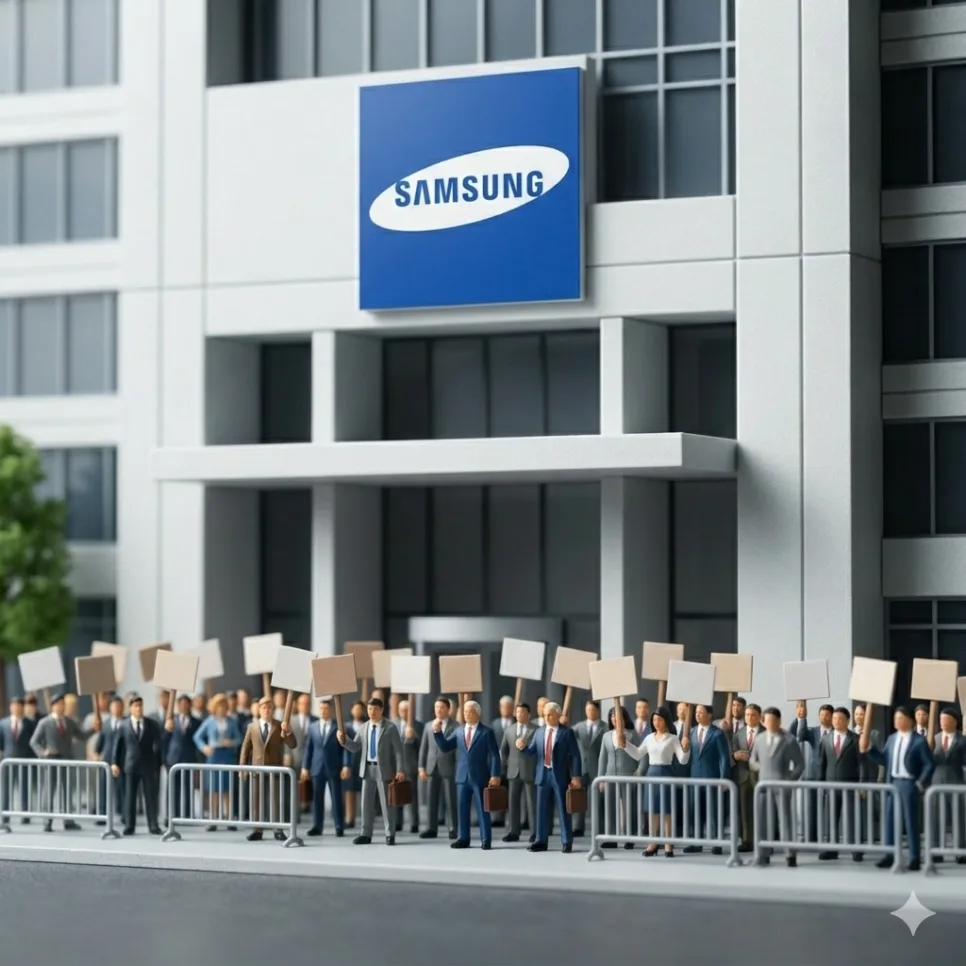
Samsung Electronics faces unprecedented uncertainty with a planned 18-day general strike from May 21 to June 7, 2026. This strike, backed by a union representing over 76,100 employees—a majority of domestic staff—poses a real threat to production line operations. Financial analysts predict that if the strike materializes, operating profit could decrease by approximately ₩1 trillion (about $740 million USD) per day, potentially reaching over ₩10 trillion (around $7.4 billion USD) if prolonged. This labor conflict is already fueling sell-offs by foreign investors, serving as a primary driver for the stock's decline. For instance, on April 30th, Samsung Electronics' stock price fell 2.4% in a single day, reflecting market anxieties.
How Should We Interpret the Conflict Between Shareholder Value and Union Demands?
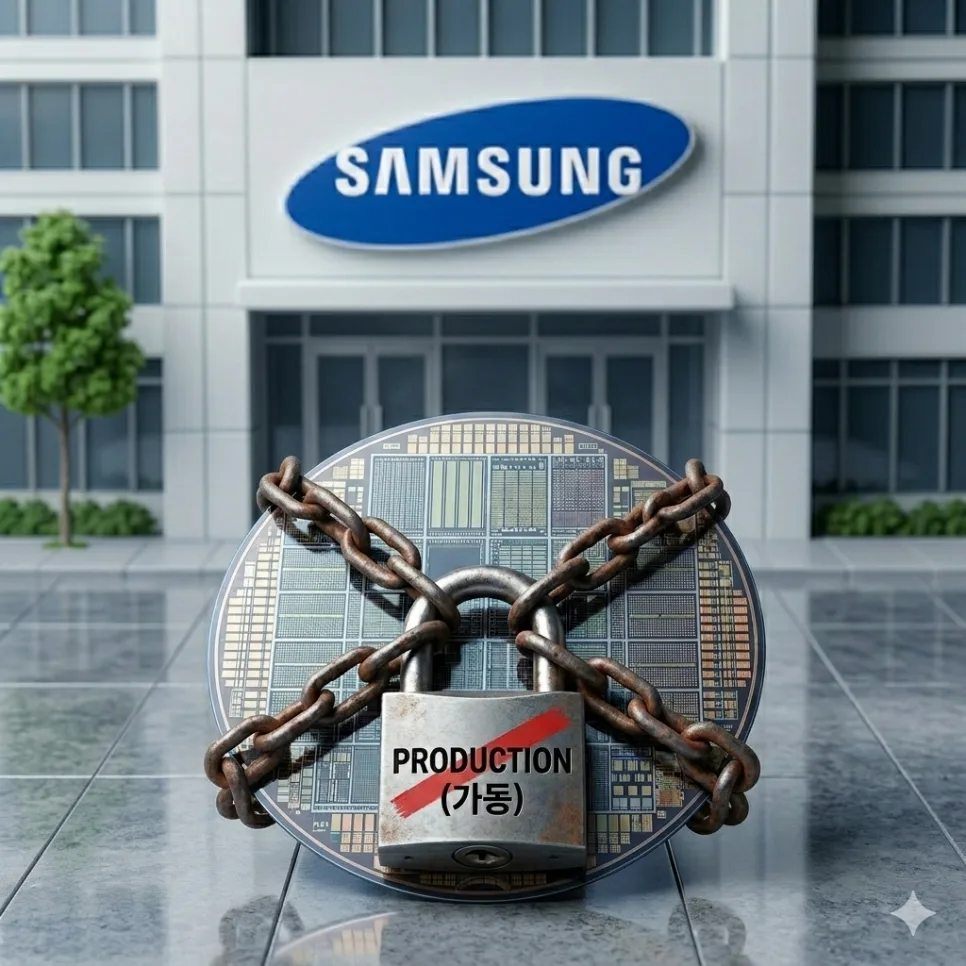
The Samsung labor union is demanding approximately ₩40-45 trillion (roughly $29.6-$33.3 billion USD) from operating profits as performance-based bonuses, which is about four times the ₩11 trillion (around $8.1 billion USD) paid out in shareholder dividends last year. This has sparked discontent among retail investors, who view the demands as excessive. Such substantial labor cost increases could reduce funds available for future investments in R&D, negatively impacting key valuation metrics like Price-to-Book (PBR). With losses potentially reaching trillions of won for even a single day of production halt, a prolonged labor dispute could accelerate the exit of foreign investors, weakening the stock's upward momentum. A significant outflow of major investors could push the stock price below critical psychological support levels, such as the ₩220,000 mark.
Can Political Intervention Resolve the Labor Dispute?
President Lee Jae-myung has publicly addressed the labor dispute, stating at a senior staff meeting that employees should not make excessive demands that lead to public criticism, implying a strong pressure on the Samsung union. While the government's emphasis on 'win-win' cooperation could encourage both sides to find common ground, there's also a possibility of union backlash. Historically, prolonged labor disputes have had severe consequences. For example, Hyundai Motor experienced a period where its stock price remained stagnant within a narrow range for an extended time during the mid-2010s due to repeated strikes and high labor costs, even amidst a favorable market. If Samsung Electronics' labor conflict drags on without resolution, it could erode investor confidence and lead to a prolonged period of stock underperformance, regardless of the company's underlying business performance. Past precedents highlight the need for a pragmatic approach.
What Are the Survival Scenarios for Samsung Electronics Amidst Labor Unrest?
To navigate this challenging period, Samsung Electronics must focus on strategic communication and compromise. Scenario 1 involves swift negotiation and agreement, potentially offering a slightly revised bonus structure that balances union demands with shareholder expectations. This could involve performance metrics tied to specific product cycles or R&D breakthroughs. Scenario 2 entails a managed strike where the company utilizes contingency plans to minimize production impact, perhaps by reallocating resources or temporarily increasing reliance on overseas facilities. This scenario requires strong leadership to maintain investor confidence despite temporary disruptions. Scenario 3, the most challenging, involves a prolonged strike leading to significant financial losses and reputational damage. In this case, Samsung would need to implement drastic cost-saving measures and potentially restructure operations to regain market trust. Ultimately, fostering a culture of mutual respect and understanding between management and labor will be crucial for long-term stability and growth, ensuring the company's resilience against future challenges.
For more details, check the original source below.