In 2026, even stock market beginners can confidently navigate buying and selling domestic and international stocks with this 5-step guide. Overcome complex procedures and intimidating jargon to kickstart your investment journey.
Domestic vs. International Stocks: What's the Difference?
For those new to investing, understanding the distinctions between domestic and international stocks, particularly US markets, is crucial. Key differences in trading hours, currency, taxes, and ticker symbols can significantly shape your investment strategy. While Korean stocks trade from 9:30 AM to 3:30 PM KST, US stocks operate on a different schedule, often starting late at night for American investors (e.g., 9:30 AM to 4:00 PM EST, with extended hours). Domestic stocks are traded in Korean Won (KRW), whereas international stocks require foreign currency, like the US Dollar (USD). Tax implications and settlement periods also vary. Grasping these differences is the first step toward successful investing.
Your 5-Step Guide to Buying Stocks
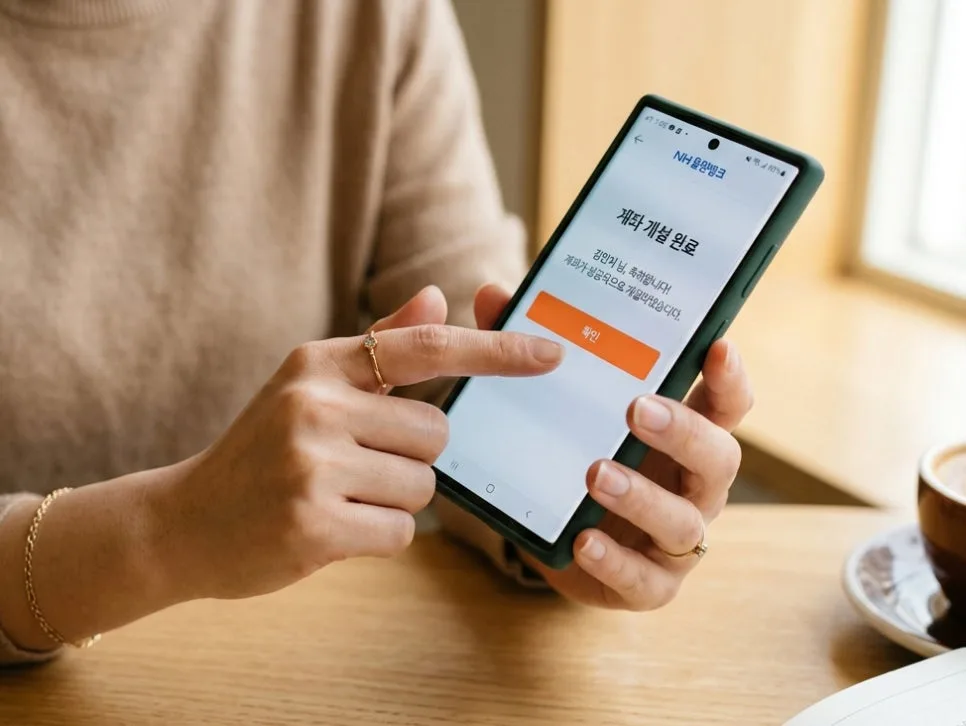
The actual process of buying stocks is more straightforward than you might think. First, you'll need a brokerage account. You can open one easily and digitally in about 5 minutes using just your ID and smartphone through most major brokerages. Choosing a brokerage with new account bonuses or commission-free trading can be advantageous. For domestic stocks, simply deposit funds into your account, and you're ready to trade. International stock investing may require a separate application and currency exchange, but many brokerages now offer 'direct-to-dollar' or 'won-based' order services, allowing you to buy foreign stocks without upfront currency conversion. After analyzing your chosen stocks and deciding between a limit or market order, you can place your buy order and receive a confirmation once it's executed.
How to Analyze Stocks: Key Criteria for Investors
Developing your own investment criteria and analyzing stocks is paramount for successful investing. Instead of relying solely on recommendations, you should comprehensively assess a company's financial health, growth potential, and market trends. For domestic Korean stocks, examining the financial statements and news related to brands you frequently use (like Samsung or Hyundai) is a good starting point. If considering international stocks, focus on global leaders in technology (such as Apple or Microsoft) or explore Exchange Traded Funds (ETFs) that track major indices like the S&P 500. Consistent company analysis and market learning significantly increase your chances of long-term investment success.
Understanding Limit vs. Market Orders
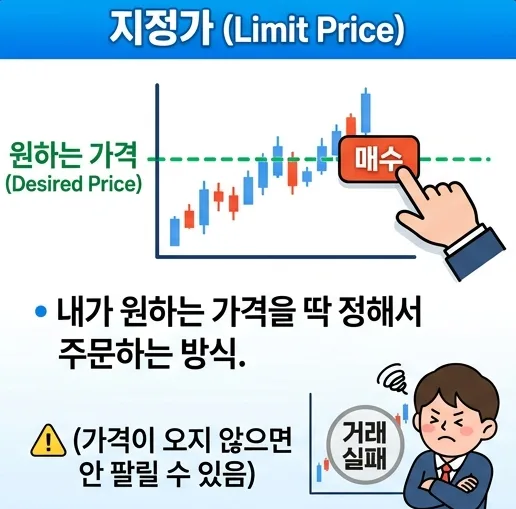
When placing a stock buy order, there are two primary methods: limit orders and market orders. A limit order allows you to set a specific price at which you're willing to buy. Your order will only execute if the stock price reaches your specified limit. This ensures you don't overpay but carries the risk that the stock might not reach your price, and the trade won't happen. A market order, on the other hand, executes immediately at the best available current market price. This guarantees a quick transaction but means the final price might differ slightly from the price you saw when placing the order. Choosing the right order type depends on the stock's current situation and your investment goals.
Common Mistakes for Beginner Stock Investors
A frequent pitfall for new investors is making decisions based on rumors or gut feelings rather than thorough research. Excessive trading driven by short-term price fluctuations can also lead to losses. For international stock investing, beginners often overlook currency exchange rate risks and the differing trading hours across global markets. To invest successfully, adopt a long-term perspective, focus on a company's intrinsic value, and manage risk through diversification. While it's wise to consider advice from experienced professionals, always make the final investment decisions yourself.
For more in-depth strategies, refer to the original source.





