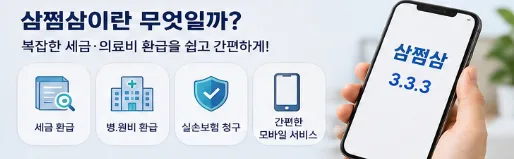
The Sam.3 healthcare refund service acts as a convenient proxy, helping you find and apply for reimbursements from excess out-of-pocket medical expenses (under the Korean National Health Insurance system) and unclaimed private health insurance payouts. If the refund is ultimately unsuccessful, you can receive a full refund of the service fee you paid, offering peace of mind.
Why Might You Get a Fee Refund for Sam.3 Healthcare Reimbursements?
You can potentially get back some of the medical expenses you paid in Korea through two main avenues. The first is the 'out-of-pocket maximum' system, where the National Health Insurance Corporation reimburses you for medical costs exceeding a certain annual threshold based on your income level. The second involves unclaimed payouts from your private health insurance policy. Many people are unaware of these systems or miss the claim deadlines, forfeiting potential refunds. Sam.3 helps identify and apply for these overlooked reimbursements. If the identified amount cannot be disbursed or is rejected by the authorities, Sam.3 offers a system to refund the service fee you already paid. This acts as a safeguard, preventing you from paying a fee for a refund you never received.

How to Check and Apply for Sam.3 Healthcare Reimbursements: Our Experience
Related Articles
We tried using the Sam.3 app to check for healthcare reimbursements. After launching the app and completing a simple identity verification, we navigated to the 'Find Healthcare Reimbursements' section. Using convenient login options like KakaoTalk or Naver, we scanned several years of medical usage history in about 1-2 minutes to see our estimated refund amount. We discovered an unclaimed reimbursement of several tens of thousands of Korean Won (approx. $20-70 USD) and proceeded to the application stage. The process was straightforward: we entered our bank account details as instructed, and the service fee was calculated based on the estimated refund amount. As mentioned, if the final reimbursement isn't successful, the Sam.3 fee is fully refundable, so we proceeded with payment. This easy checking and application process is a major advantage for those who find complex financial procedures daunting.
Key Considerations Before Using Sam.3 Healthcare Reimbursement Services
While Sam.3's proxy service for healthcare reimbursements is very convenient, there are a few points to consider. Most importantly, if you have the time and are comfortable with the process, you can apply for these refunds directly and for free through the National Health Insurance Service website, the Government24 portal, or your insurance provider's app. Sam.3 is an excellent solution for those who find direct application difficult due to time constraints or complexity, but if you want to save on fees, contacting the relevant institutions directly is the way to go. Additionally, the review and disbursement process for reimbursements can take some time, and the eligible amount and conditions vary by individual. For the most accurate information, it's always best to inquire directly with the relevant authorities.
Sam.3 Healthcare Reimbursement: FAQs and Important Notes
Here are some common questions and important points regarding the healthcare reimbursement check and application process. The out-of-pocket maximum under the National Health Insurance system varies based on income brackets, and only amounts exceeding this threshold are eligible for reimbursement. Typically, private health insurance claims must be filed within 3 years of the incident, and each insurer has its own procedures and required documents. When using Sam.3, the proxy fee is a percentage of the estimated refund amount, but you can get a full refund if the final reimbursement is unsuccessful. However, once the refund is confirmed, the service fee cannot be refunded. Therefore, it's crucial to consider your situation thoroughly before applying. Remember, Sam.3 is a proxy service; the final approval for reimbursement is determined by the National Health Insurance Corporation or the insurance company's review. This is not financial advice. Consult a licensed financial advisor.
For more details, check the original source below.