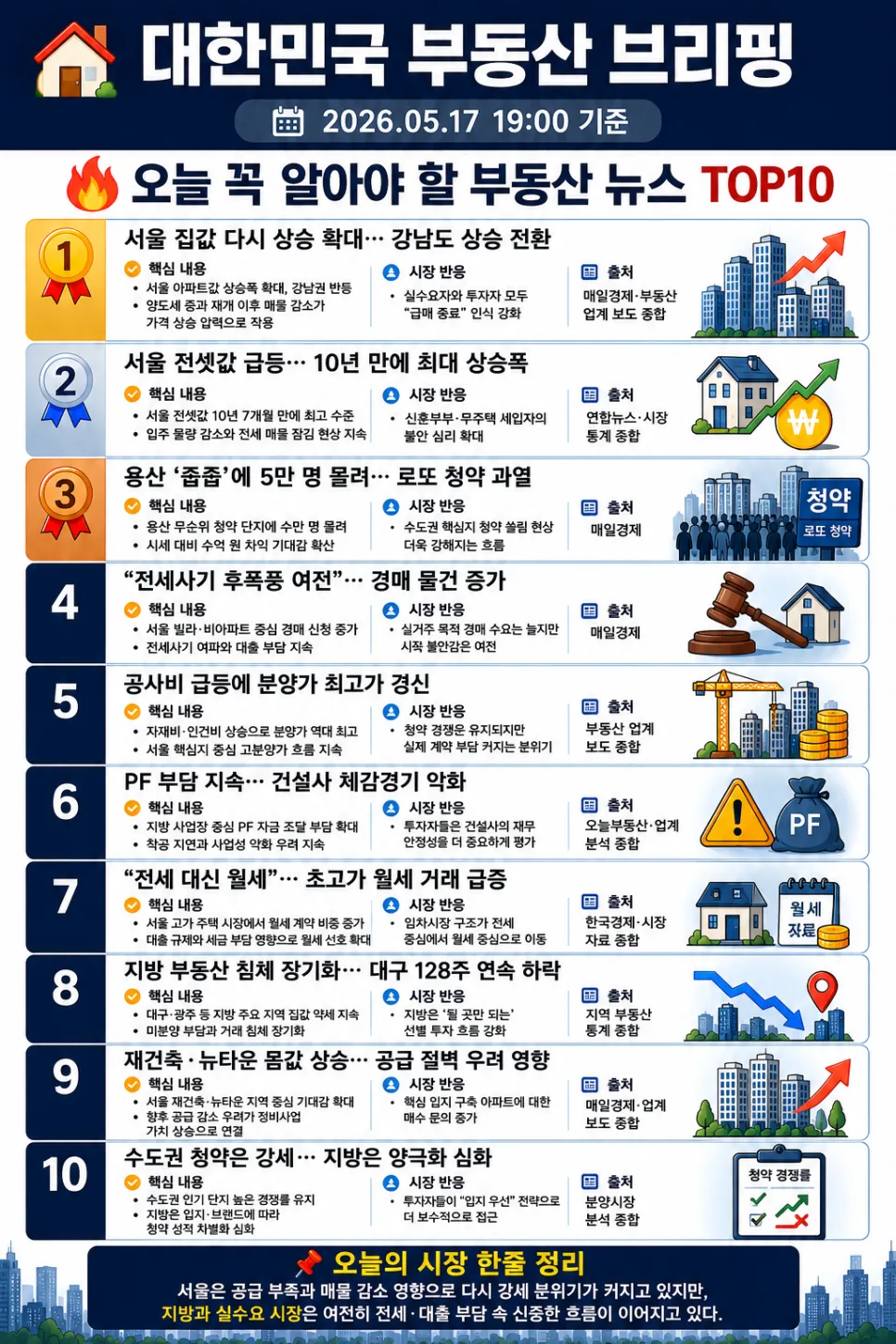
The core issue many miss about the 'Eoljuksin' trend is the simultaneous surge in home prices, jeonse (long-term lease deposits), and monthly rent – a triple threat to housing affordability. In 2026, this isn't just market fluctuation; it's a direct threat to the financial stability of everyday Koreans.
What's Driving Simultaneous Housing Price, Jeonse, and Rent Hikes in 2026?
From my perspective, regularly checking real estate transaction data and market reports, the current housing cost surge is deeply concerning. Across the Seoul metropolitan area, we're seeing a clear 'triple rise' in sale prices, jeonse, and monthly rents. Buying a home feels impossible due to loan restrictions, while jeonse deposits have skyrocketed beyond reach. Many are forced into the monthly rent market, facing immense financial pressure. This simultaneous increase presents a brutal survival test for those without homes, especially those looking to upgrade.
Why is the 'Eoljuksin' Trend Fueling Home Price Increases?
The primary driver behind this widespread price increase is the 'Eoljuksin' (literally: 'freeze to death even if it's new construction') syndrome dominating the real estate market. This phenomenon, fueled by soaring construction costs and uncertainties in redevelopment projects, has created an explosive demand for newly built apartments. Compounding this is the concern over insufficient new housing supply in the Seoul metropolitan area over the next 2-3 years, which is solidifying new constructions as a market floor. This preference for new builds not only inflates prices in prime new developments but also creates a ripple effect, pushing up prices in nearby older buildings and even less desirable areas.
What's the Real Story Behind the 'Jeonse Drought'?
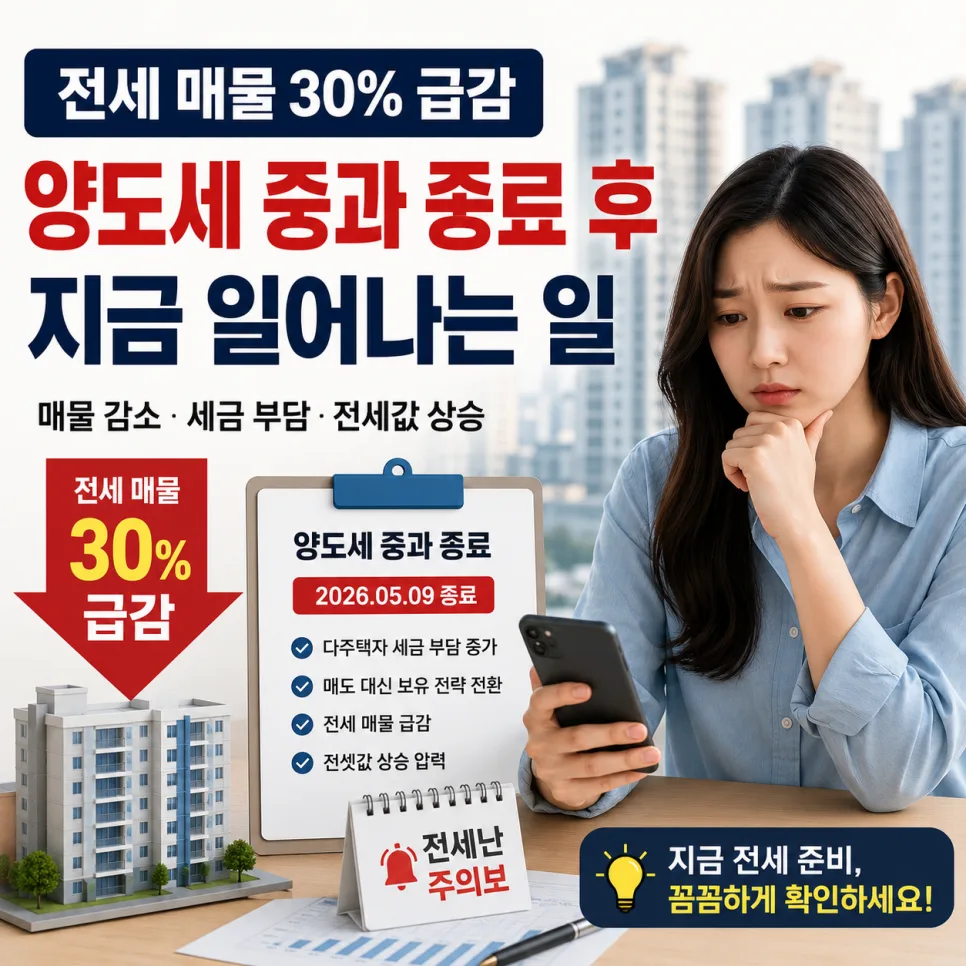
While sale prices remain somewhat stable, the 'jeonse drought' in the rental market has been the spark for the current housing cost crisis. Many jeonse contracts, previously capped by the 2020 'Lease 2 Law' (which allowed tenants to renew at existing rates), are now expiring. Landlords are significantly increasing deposits to reflect current market values, or opting out of the rental market altogether for personal use, leading to a severe shortage of available jeonse properties. In desirable areas with good school districts and transportation, it's not uncommon to see multiple tenants vying for a single jeonse listing.
What's the Reality of 'Monthly Rent Bombs' and the Limits of DSR Regulations?
The most severe consequence is that tenants unable to afford the increased jeonse deposits are flooding the monthly rent market, driving up rental prices across the board. Those who can't cover the higher jeonse are switching to security deposit-based monthly rents or pure monthly rents, causing their fixed monthly expenses to balloon. With housing costs rising faster than average salaries, a significant portion of income is now going towards rent, severely impacting long-term wealth accumulation. Meanwhile, the government's Debt Service Ratio (DSR) regulations, intended to manage household debt, are proving ineffective against this surge. The strategy of restricting mortgage lending has pushed demand into the rental market, inflating jeonse and monthly rents, which in turn supports property prices – a paradoxical cycle.
What are Survival Strategies for the Housing Cost Surge Era in 2026?
In this unprecedented era of soaring prices for sales, jeonse, and monthly rents, a cold, pragmatic, and conservative 'survival of the fittest' strategy is essential for ordinary citizens. Instead of getting caught up in the market hype and making impulsive purchases of new, expensive homes, prioritize a conservative financial plan based on your income and liquidity. For tenants struggling with current costs, actively explore options like long-term public housing or government-backed loan programs to reduce fixed expenses. It's crucial to closely monitor structural market trends to protect your assets. The optimal strategy will vary based on individual circumstances, so consulting with a financial advisor is recommended.
Tags
💬Frequently Asked Questions
Why are home prices, jeonse, and monthly rents rising simultaneously in Korea in 2026?
What impact is the 'Eoljuksin' trend having on the real estate market?
Why aren't DSR regulations effectively preventing housing cost increases?
What are survival strategies for ordinary people during the housing cost surge?
Original Source
Read the Korean original