Before applying for a loan in 2026, it's crucial to understand your eligibility for government-backed programs, accurately calculate your borrowing needs, choose the right interest rate type, manage your credit score, and account for all associated costs. This guide breaks down the essential considerations for US borrowers.
What Are the Eligibility Requirements for Government-Backed Loans in 2026?
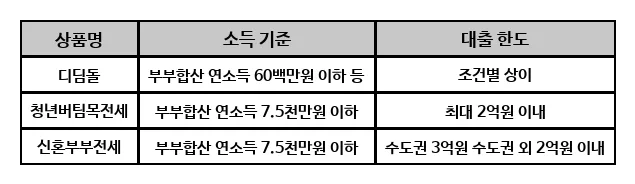
When considering a loan, the first step is to explore government-backed options, which often offer lower interest rates than conventional market products. In the US, programs like the FHA loan for mortgages or SBA loans for small businesses provide significant advantages. For instance, FHA loans, designed for low-to-moderate income borrowers, have more flexible credit score requirements and lower down payment options compared to conventional mortgages. Similarly, SBA loans offer favorable terms for entrepreneurs. It's essential to check your specific income and asset qualifications against the program's criteria. For example, a homebuyer might qualify for an FHA loan with a down payment as low as 3.5% if their credit score is 580 or higher, or even lower with specific state or local assistance programs. Understanding these nuances can unlock substantial savings.
How to Calculate Loan Limits and Debt-to-Income Ratio (DTI) in 2026?
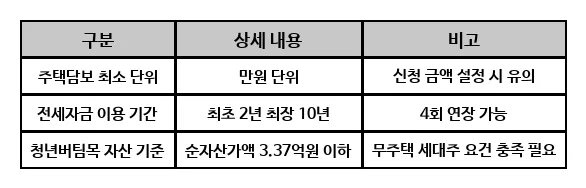
After confirming your eligibility for government programs, accurately determining your borrowing needs is key. It’s wise to borrow only what you can comfortably repay each month, rather than simply accepting the maximum loan amount offered. For mortgages, it's advisable to round up to the nearest thousand-dollar increment to include a buffer for unexpected expenses. Crucially, you must consider the Debt-to-Income (DTI) ratio. This metric, which compares your total monthly debt payments to your gross monthly income, is a primary factor lenders use to assess your ability to manage additional debt. For example, many lenders prefer a DTI below 43% for conventional mortgages, and even lower for FHA or VA loans. If you already have significant debt, like student loans or car payments, your DTI might limit your borrowing capacity for a new loan.
Fixed vs. Variable Interest Rates: Which is Right for You?
One of the most significant decisions in taking out a loan is choosing between a fixed and a variable interest rate. A fixed-rate loan offers predictability; your interest rate remains the same for the entire loan term, meaning your monthly principal and interest payments are constant. This is particularly advantageous if you anticipate interest rates rising in the future or if you prefer a stable budget. Conversely, a variable-rate loan starts with a lower initial interest rate that can fluctuate over the loan's life based on market conditions. If you expect interest rates to fall, a variable-rate loan could save you money in the long run. However, it carries the risk of higher payments if rates increase. Consider your personal financial situation and your outlook on market interest rates when making this choice.
Why Managing Your Credit Score and Understanding Ancillary Costs Matters
Finally, maintaining a good credit score is paramount. Lenders use your credit score to gauge your creditworthiness, directly influencing your loan's interest rate and approved amount. A higher score generally translates to lower interest rates and better loan terms. Consistently paying your credit card bills on time and avoiding unnecessary cash advances are fundamental practices for a healthy credit score. Beyond the interest rate, be aware of additional costs associated with loans. These can include origination fees, appraisal fees, title insurance, and recording fees for mortgages, or guarantee fees for SBA loans. For instance, FHA loans require an upfront mortgage insurance premium and annual premiums. Factoring in these ancillary costs provides a more accurate picture of your total loan obligation and ensures you are fully prepared for the financial commitment.
For more details, check the original source below.





