The biggest pitfall for investors in Korean knowledge industry center (K-IC) auctions is overlooking crucial rights analysis and the eviction (myeongdo) process. Jumping into a bid solely based on a low starting price can lead to unexpected costs and legal battles. This guide breaks down how to navigate these complex investments safely.
Why Focus on Korean Knowledge Industry Center Auctions in 2026?
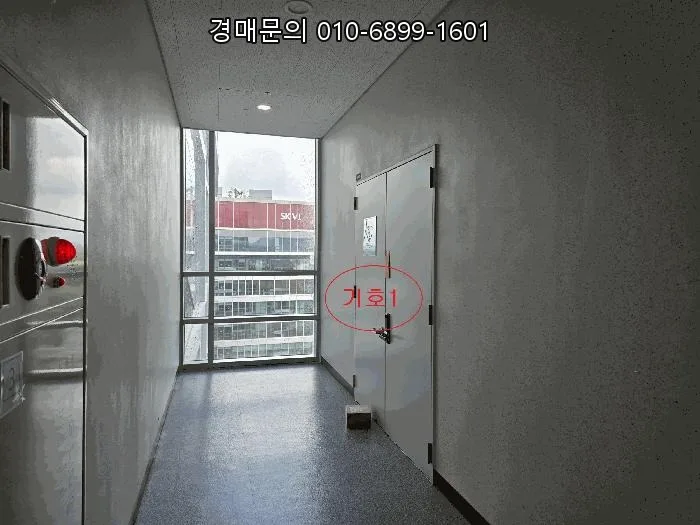
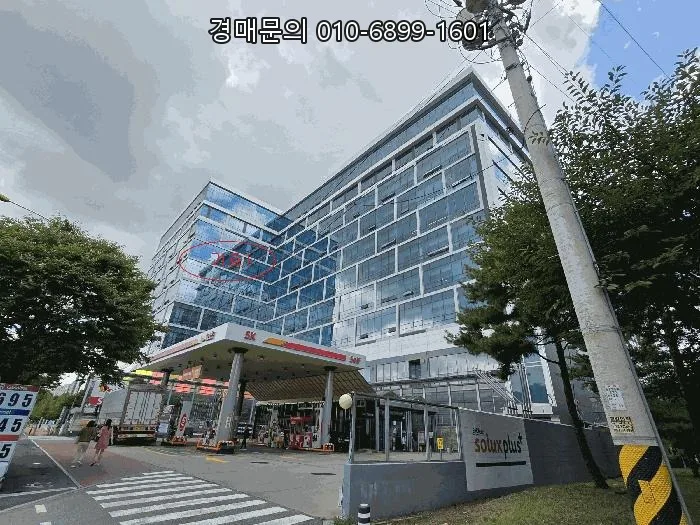
A specific K-IC property, Hyundai Cluster Hangang Misa 3rd in Hanam, Gyeonggi Province, is set for auction on May 11, 2026 (Case No. 2025TA52559). Located in the basement, this unit spans approximately 45.9 sq ft (3.69 pyeong) of land and 45.9 sq ft (13.91 pyeong) of building space. Having already been re-auctioned twice, its starting bid has dropped to $52,000 USD (49% of its appraised value of $102,000 USD or 154 million KRW). This presents a potential golden opportunity for savvy investors. Hanam Misa District boasts proximity to Seoul's Gangdong-gu, excellent access to major roads like Misa-daero and Olympic-daero for logistics and commuting, and convenient access to Seoul via Subway Line 5's Misa and Hanam Pungsan stations. This strategic location enhances business efficiency and employee satisfaction.
What Rights Analysis Pitfalls to Watch For?
Thorough rights analysis is non-negotiable for successful K-IC auction investments. This particular property has a registered 'superficial ownership right' (gubun jisang-gwon) that does not extinguish upon sale, and a detailed review of existing lease agreements and actual occupancy is essential. These rights can lead to unforeseen burdens post-acquisition. For instance, a superficial ownership right might restrict the use of specific areas, impacting future rental income or resale value. Therefore, it's critical to meticulously examine related documents like the deed registry, building ledger, and land register before bidding. On-site inspections to verify actual occupancy and usage are also highly recommended. Given the complexity, seeking assistance from experienced legal professionals is the safest approach.
How to Navigate the Eviction (Myeongdo) Process Successfully?
The eviction process is another critical component of auction investments. Disputes or additional costs can arise when removing the current occupants. For K-ICs, which are often operating businesses, negotiation with the current tenant is paramount. Legal battles can be time-consuming and expensive, so aiming for an amicable agreement is usually best. When negotiating, clearly define terms such as moving assistance or a formal eviction confirmation document, and put everything in writing to prevent future conflicts. If an agreement can't be reached, you may need to consult legal experts to initiate legal procedures like a provisional seizure for eviction or an order for possession. This process directly impacts your investment's profitability, making thorough planning and professional support essential.
Key Considerations for K-IC Investment
K-IC auctions differ from typical residential property auctions. While they often have lower management fees and tax benefits, investors must carefully analyze market conditions, including vacancy rates and rental demand. The fact that this property has been re-auctioned twice suggests potential issues with its rights or market appeal. Before bidding, research the current market price, vacancy rates, and rental yields for K-ICs in the area, and assess its future appreciation potential. Your optimal bid price will depend on your personal financial situation and investment goals. It's crucial to stick to your investment principles rather than getting caught in bidding wars. Consulting with experts to accurately assess the property's value and determine a reasonable bid price is the surest path to a successful investment.
Frequently Asked Questions (FAQ)
Q1. What is the minimum bid for the May 11, 2026 auction property?
A1. The minimum bid is approximately $52,000 USD (75,460,000 KRW), representing 49% of the appraised value. This is after two failed auctions, so any bid must exceed this amount.
Q2. What issues can arise with a registered superficial ownership right (gubun jisang-gwon)?
A2. A superficial ownership right allows the holder to use the space above or below a piece of land for structures or plants. This can impose limitations on the specific area's use within the K-IC, potentially affecting its future rental or resale value.
Q3. How is the eviction process handled for K-IC auctions?
A3. After winning the bid, negotiations with the current occupant are the first step. If an agreement isn't reached, you can file an order for possession with the court to proceed with forced eviction. Legal professionals may be necessary for this process.
English crawl path
Next English reads from this pilot cluster
Continue through the category hub, latest English stories, and related posts so this translated article is not an isolated URL.
Tags
💬Frequently Asked Questions
What should I check first in Korean Knowledge Industry Center Auctions 2026: Under $60K Deals??
Does this Finance article link back to the Korean source?
Where can I find similar English stories?
English discovery path
Explore more English K-culture stories
Keep browsing the indexed English pilot cluster so Google and readers can move between this story, the category hub, and fresh discovery pages.
Original Source
Read the Korean original