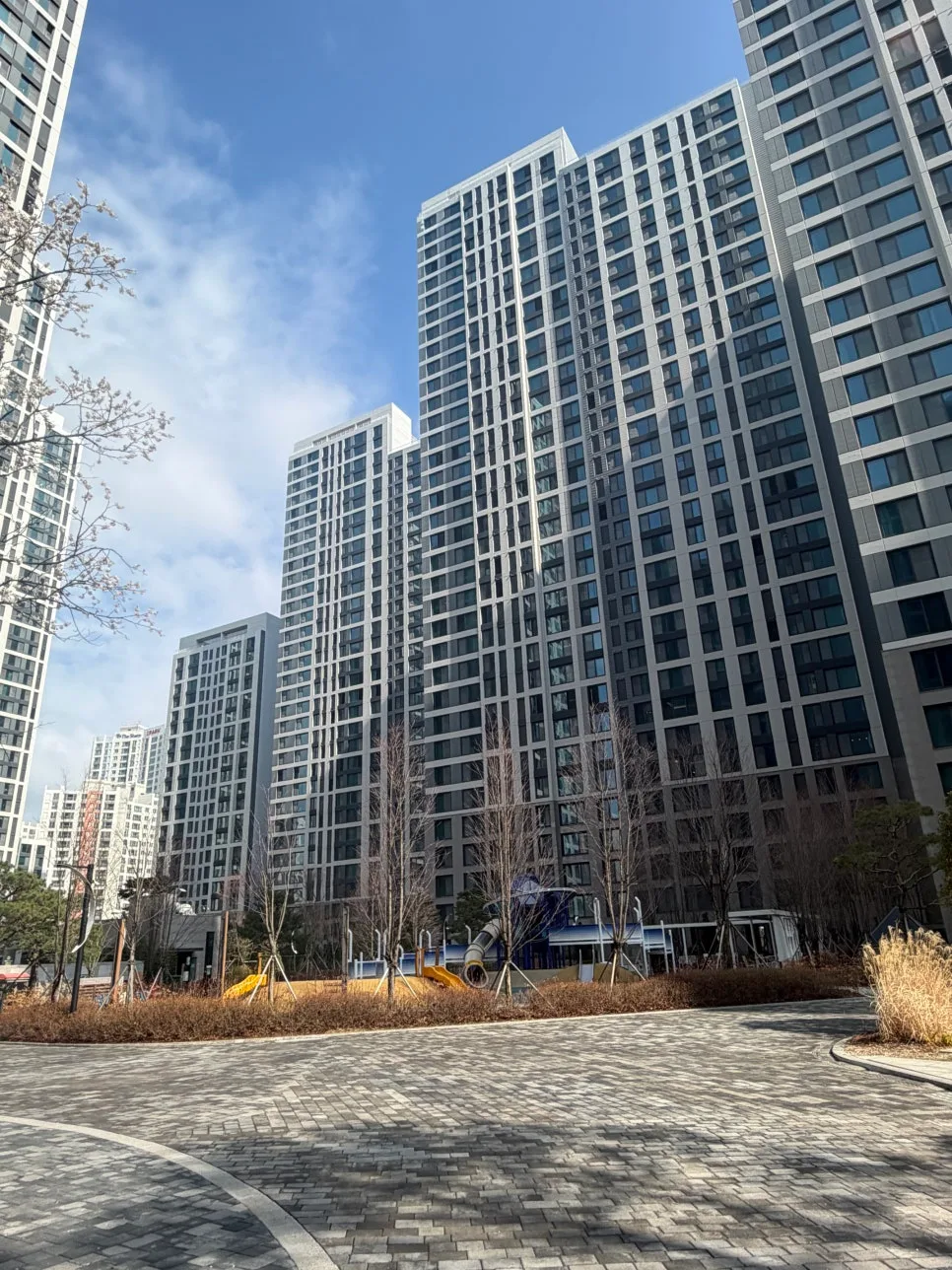
In the 2026 Korean real estate market, the Jeonse ratio can be a useful indicator for understanding its relationship with sale prices. However, predicting housing prices solely based on the Jeonse ratio is challenging. A comprehensive analysis considering factors like interest rates and supply is essential.
What is the Jeonse Ratio and How is it Calculated in 2026?
The Jeonse ratio is a key metric for understanding the current state of the real estate market. It represents the ratio of the Jeonse (lump-sum deposit) price to the sale price of a property, expressed as a percentage. The calculation is straightforward: Jeonse Ratio = (Jeonse Price ÷ Sale Price) × 100. For example, if an apartment's sale price is ₩100 million (approx. $75,000 USD) and its Jeonse price is ₩70 million (approx. $52,500 USD), the Jeonse ratio is 70%. This figure helps gauge whether the sale market is overheated or undervalued relative to the Jeonse market. From an investment perspective, a high Jeonse ratio can signal an opportunity for investors to enter the market with less capital, potentially attracting more demand. However, this is a general interpretation, and actual market dynamics are more complex.
How Does the Market React When the Jeonse Ratio is High or Low?
A high Jeonse ratio can indicate two scenarios: either the demand for Jeonse is so strong that Jeonse prices are high relative to sale prices, or sale prices haven't kept pace with the rise in Jeonse prices. In such cases, it becomes easier for investors to engage in 'Gap Investment' (buying a property with a small difference between sale and Jeonse prices), potentially stimulating buying sentiment. Consequently, areas with high Jeonse ratios are often considered to have a higher potential for sale price increases. Conversely, a low Jeonse ratio suggests that sale prices have risen significantly compared to Jeonse prices. This can create a higher barrier to entry for investors and signal that the market might be overheated or that prices are becoming burdensome. A significantly low Jeonse ratio might also suggest a potential for sale price adjustments in the future.
What is the Correlation Between the Jeonse Ratio and Sale Prices? What are the Real Market Patterns?
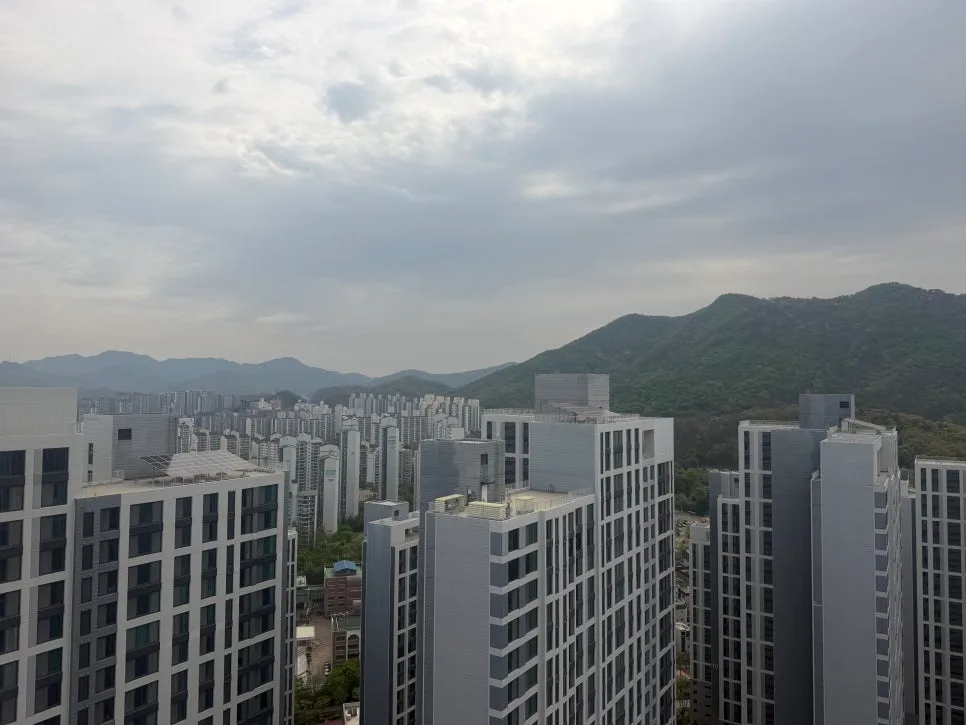
The Jeonse ratio can be a useful indicator for tracking real estate market trends. Generally, a rising Jeonse ratio may suggest potential for sale price increases, while a falling ratio might indicate a possibility of price adjustments. However, it's more accurate to view this as a signal reflecting the current market situation rather than an absolute rule. For instance, in an early bull market, Jeonse demand often increases, pushing Jeonse prices higher and thus increasing the Jeonse ratio. As the market enters a full-fledged bull phase, rising Jeonse prices attract buyers, leading to a surge in sale prices. During this surge, the Jeonse ratio might decrease again. In a bear market, sale prices may fall, or Jeonse demand might weaken, causing fluctuations in the Jeonse ratio. Understanding these market cycles can be highly beneficial for making informed investment decisions.
Why is Predicting Housing Prices Solely Based on the Jeonse Ratio Difficult?
Real estate prices are not determined by the Jeonse ratio alone. In reality, a multitude of complex factors significantly influence prices, including interest rate levels, government loan regulations, new housing supply, population migration trends, transportation infrastructure improvements, and development opportunities. For example, a sharp increase in interest rates can raise the burden of mortgage payments, dampening buyer sentiment and potentially leading to a decrease in sale prices, even with a high Jeonse ratio. Furthermore, large-scale apartment supply in a specific area can lower Jeonse prices, affecting the Jeonse ratio. Relying solely on the Jeonse ratio for investment decisions can be as risky as treasure hunting without a compass. It is crucial to consider various macroeconomic indicators and regional characteristics in conjunction with the Jeonse ratio.
What Factors Should Be Checked Alongside the Jeonse Ratio for Successful Real Estate Investment?
For successful real estate investment, it's essential to comprehensively review several important factors beyond the Jeonse ratio. First, assess whether there is sufficient demand for actual residency in the area, which is often linked to local economic growth, job creation, and school districts. Second, examine future housing supply trends, as excessive supply can put downward pressure on Jeonse prices. Third, monitor current and future interest rate directions, as rising rates can negatively impact buyer sentiment by increasing loan costs. Fourth, identify factors that could enhance future value, such as planned transportation improvements or major development projects. Finally, it's important to see if the area is experiencing consistent population inflow. A holistic review of these five elements can lead to more stable and rational investment judgments. Consulting with a financial advisor tailored to your investment goals and circumstances is also a wise approach. This is not financial advice. Consult a licensed financial advisor.
English crawl path
Next English reads from this pilot cluster
Continue through the category hub, latest English stories, and related posts so this translated article is not an isolated URL.
Tags
💬Frequently Asked Questions
What should I check first in Korean Jeonse Ratio 2026: Key Housing Market Predictor??
Does this Finance article link back to the Korean source?
Where can I find similar English stories?
English discovery path
Explore more English K-culture stories
Keep browsing the indexed English pilot cluster so Google and readers can move between this story, the category hub, and fresh discovery pages.
Original Source
Read the Korean original





