
Many people are considering changes to their Korean health insurance, particularly the shift to 4th generation policies, without fully understanding the implications. By 2026, key changes will be in effect, making it crucial to grasp these updates and identify the best coverage for your personal healthcare needs and patterns. This guide breaks down what you need to know.
What's New with 4th Gen Korean Health Insurance?
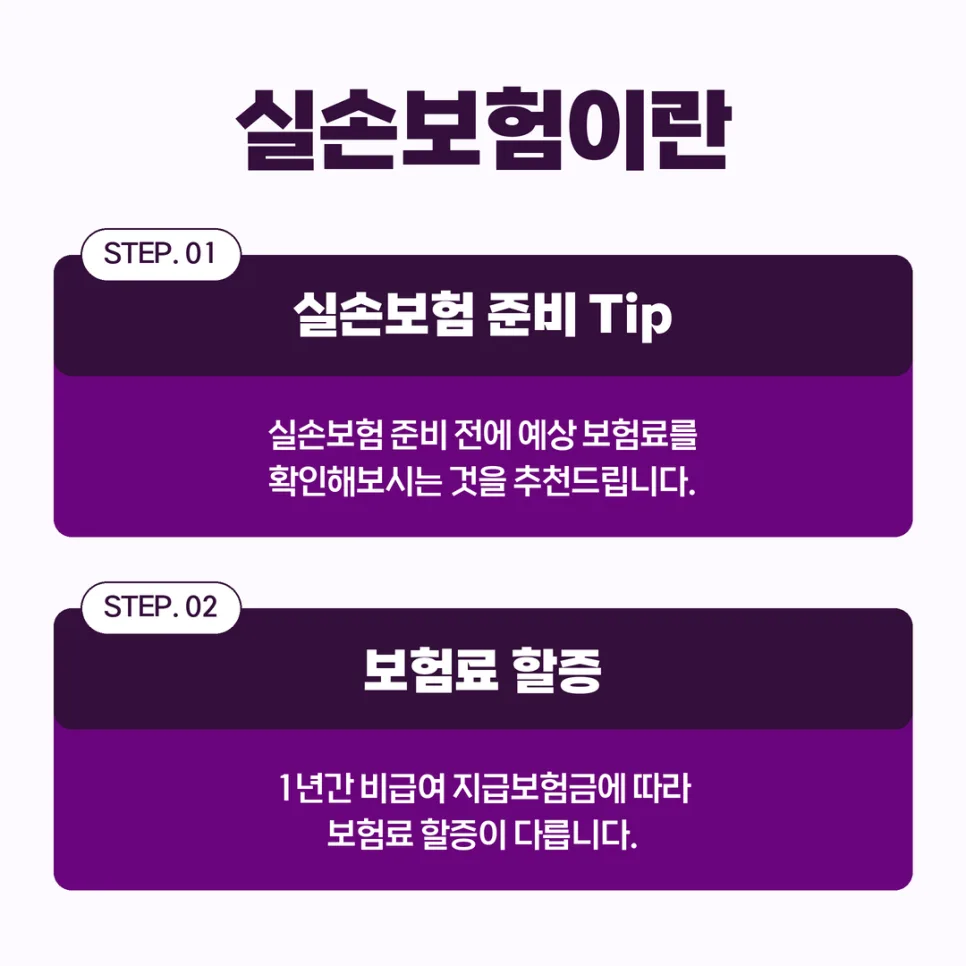
The most significant impact of the 4th generation health insurance policy changes in Korea is how it separates coverage for standard medical services (급여, *geubyeo*) and non-standard or specialized services (비급여, *bigyeobyeo*). This distinction, along with clearer self-pay thresholds, means your out-of-pocket expenses can differ significantly compared to older policies. For instance, minor treatments or outpatient visits might now have a minimum out-of-pocket cost, reducing the perceived coverage. While the premiums for 4th gen policies are generally lower, this often comes with a higher personal burden for non-standard treatments. Therefore, before considering a switch, it's essential to understand these changes and compare them against your typical healthcare usage. The 4th gen policy's approach to non-standard treatments is notably different, with potentially higher co-pays or exclusions compared to previous generations, a move aimed at curbing unnecessary medical consumption and encouraging the use of essential services.
Is the Korean Health Insurance Shift Beneficial for Me?
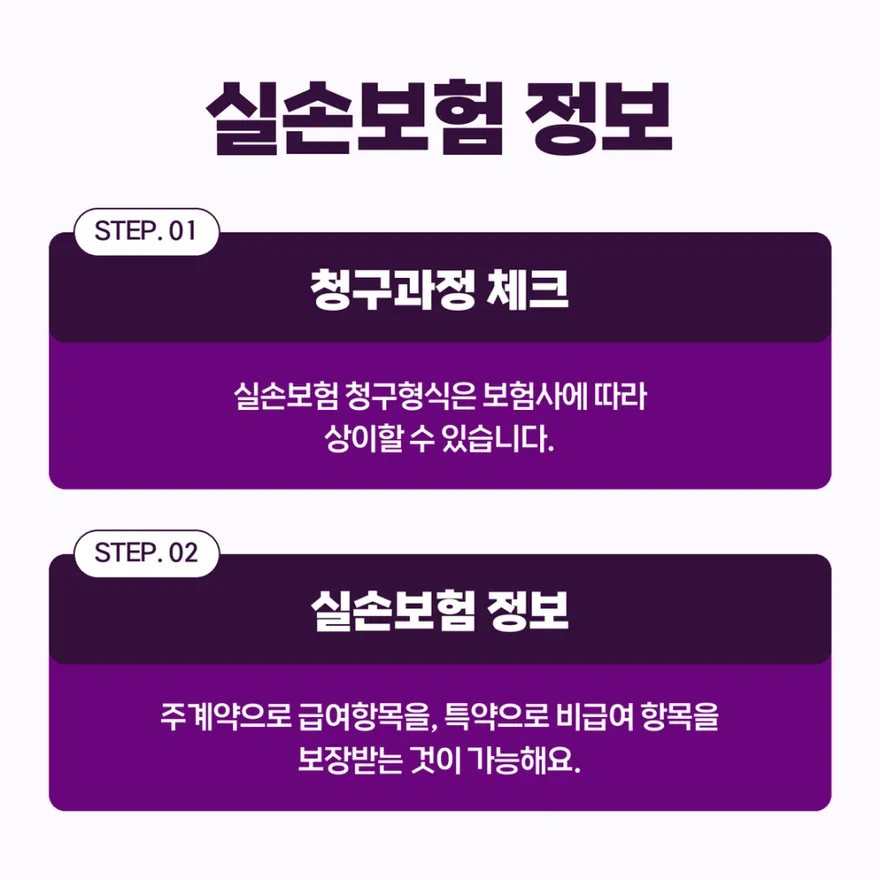
It's not a simple yes or no answer whether the Korean health insurance policy changes are beneficial. The 4th generation policies are designed with premium reduction as a primary goal. While the co-pay for standard medical services remains similar or slightly increases, the co-pay for non-standard services has risen. If you frequently require non-standard treatments for chronic conditions, an older policy might offer better overall coverage. However, if your healthcare usage primarily involves standard medical services for common illnesses and you rarely use non-standard treatments, switching to a 4th gen policy could lead to significant premium savings. It's vital to analyze your personal healthcare utilization, including the frequency of visits and the types of services you use, before making a decision. As discussions around a 5th generation policy continue, it's expected to focus more on severe illnesses and offer more customizable non-standard coverage options, potentially allowing for more personalized plans but also increasing complexity.
Key Considerations When Switching to 4th Gen or 5th Gen Korean Health Insurance
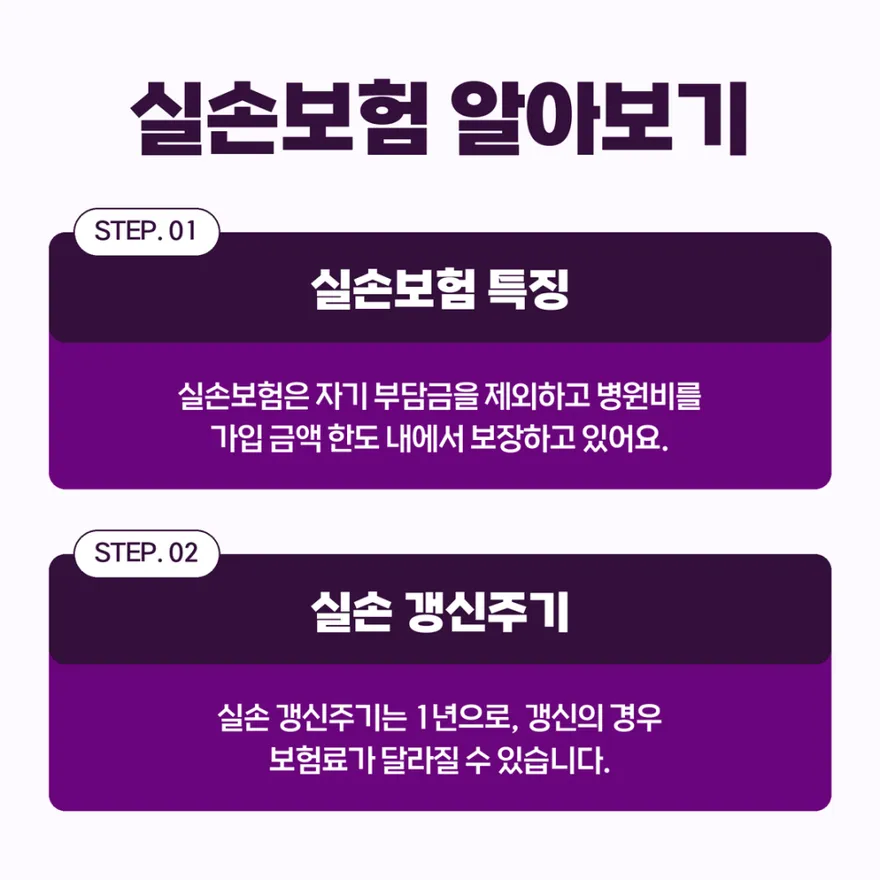
Understanding the 'self-pay threshold' and 'non-standard treatment patterns' is crucial when navigating these policy changes. In the 4th generation policies, while standard medical services typically have a 10% to 20% co-pay, non-standard services can have a co-pay as high as 30%. Furthermore, outpatient visits may incur a minimum out-of-pocket expense, meaning very small medical bills might not be fully covered by insurance. When considering a potential 5th generation policy, pay close attention to enhanced coverage for severe illnesses and the range of optional non-standard benefits. If you are currently on an older generation policy and are satisfied with its coverage, there might be no compelling reason to switch. It's wise to fully understand the potential for increased premiums and reduced coverage before making any changes, and consulting with a financial advisor is recommended.
How to Prepare for Korean Health Insurance Policy Changes
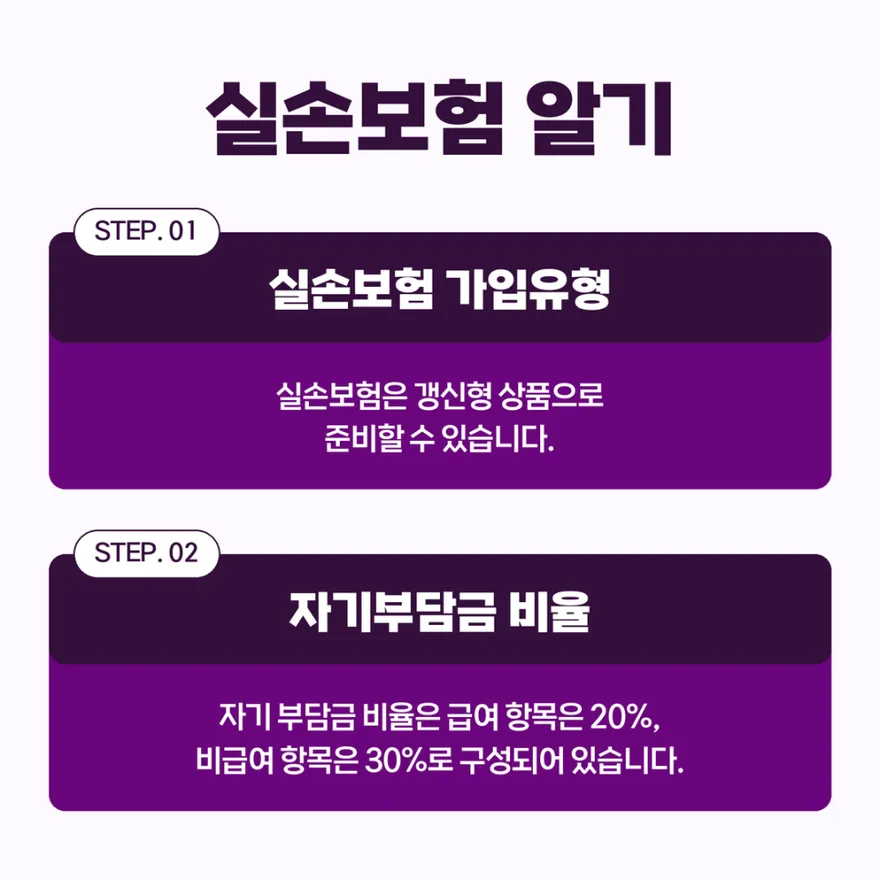
These shifts in Korean health insurance policy are not just minor adjustments; they represent a structural change that directly impacts how individuals utilize healthcare services. Before deciding whether to switch, it's essential to thoroughly review your current policy's coverage details. Analyze your medical expense records from the past 3-5 years, noting your treatment patterns. For example, if you frequently undergo non-standard treatments for a specific condition, switching to a 4th gen policy might be financially disadvantageous. Conversely, if you primarily use healthcare for routine check-ups or common illnesses and rarely opt for non-standard treatments, the lower premiums of a 4th gen policy could be very appealing. This detailed self-assessment will help you choose the most suitable health insurance plan and secure robust coverage tailored to your specific circumstances.
For more details, check the original source below.





