For those eyeing a Korean apartment in the ₩500-700 million range (approximately $375,000-$525,000 USD), the primary decision boils down to two paths: purchasing an older, established apartment outside Seoul or opting for a newer build in the wider metropolitan area. This guide breaks down the strategic choices for the 2026 market.
Should You Prioritize Investment or Home Comfort for Your ₩500-700M Apartment?
When entering the Korean apartment market with a budget of ₩500-700 million ($375k-$525k USD), the first crucial question is whether to prioritize investment potential or personal living satisfaction. If your main goal is investment and liquidity, established, older apartments in prime locations with excellent transportation links might be more advantageous. These often offer better rental yields and potential for appreciation, especially if they are in areas slated for future development. Conversely, if maximizing your daily living experience is key, focusing on relatively newer, 'pre-owned' apartments (often called 'jun-shinsik' in Korea, meaning semi-new) can be a better route. In a rising market, older apartments with potential for redevelopment or renovation can see significant price increases. However, during market corrections or downturns, newer apartments tend to hold their value more stably. Therefore, a thorough analysis of the current real estate climate, your personal financial plan, and future market projections is essential for making an informed decision.
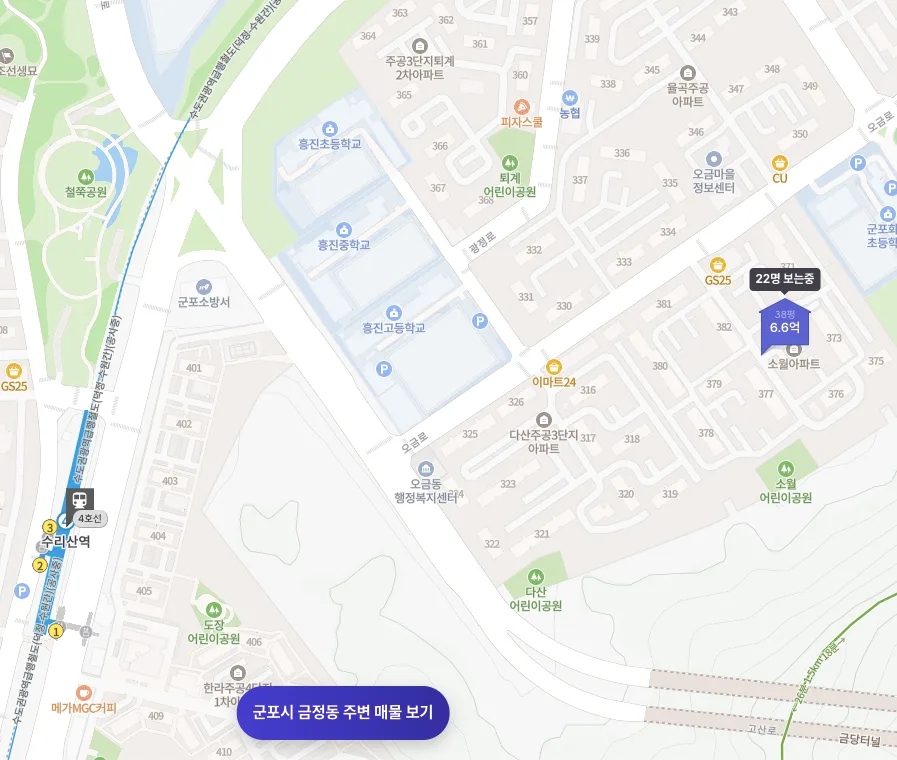
Newer Small Units vs. Established Mid-Size Apartments: Which Fits Your Lifestyle?
Related Articles
When exploring apartments in the ₩500-700 million ($375k-$525k USD) range for the Seoul metropolitan area, a common comparison is between smaller, newer units (typically around 59 sq meters) and mid-size, established apartments (often 84 sq meters). Both options present distinct advantages and disadvantages, so aligning your choice with your lifestyle and household size is crucial. For singles or couples (1-2 person households), a compact, modern new build might offer efficient space utilization and the latest amenities. On the other hand, families with children or those who simply prefer more living space might find a slightly older but larger mid-size apartment a more comfortable fit. The size of the complex itself is also a significant factor. Larger complexes (daedanji) generally mean lower maintenance fees, better amenities, and most importantly, higher liquidity due to more active trading. However, be aware that apartments over 20 years old might face issues like insufficient parking, outdated facilities, and higher upkeep costs, which should be carefully assessed.
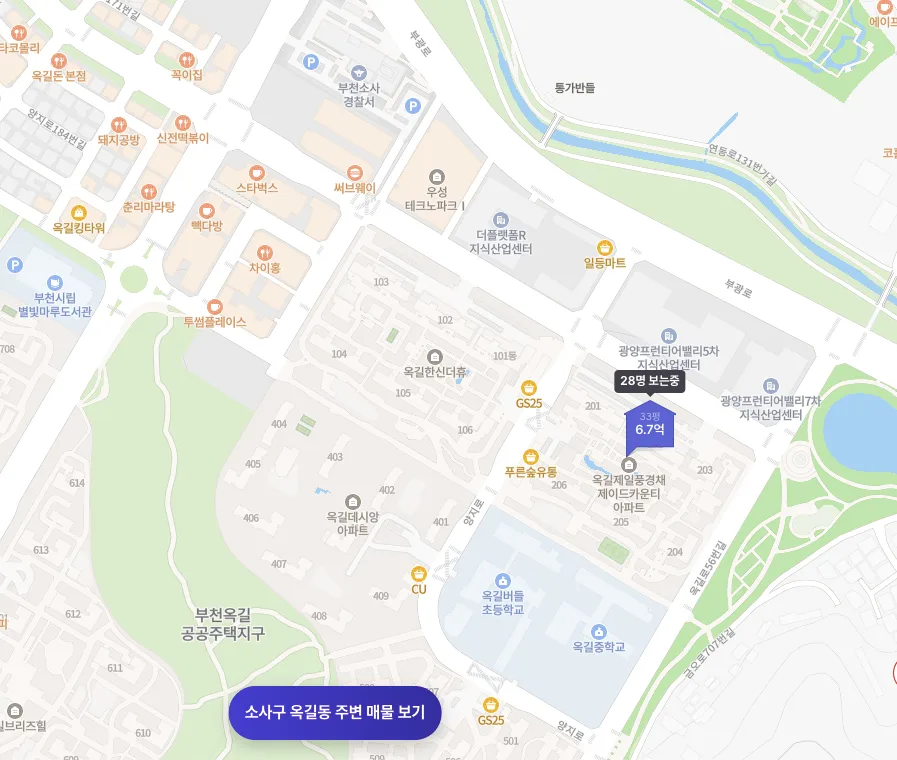
What Are the Key Criteria for Selecting an Apartment in the Seoul Metropolitan Area?
Entering the Seoul metropolitan housing market is a significant milestone for many, representing a major step towards homeownership and wealth accumulation. Therefore, when selecting an apartment within the ₩500-700 million ($375k-$525k USD) budget, it's vital to establish clear selection criteria. Firstly, consider transportation. Proximity to your workplace and access to public transit are direct determinants of your daily satisfaction and should be a top priority. Secondly, evaluate the surrounding infrastructure. Areas well-equipped with essential amenities like supermarkets, hospitals, schools, and parks significantly enhance the quality of life. Thirdly, assess the future value. Research local development plans, such as new subway lines or urban renewal projects, to gauge the potential for long-term appreciation. New towns and development zones often start with limited amenities but improve over time, rewarding those with a long-term perspective. While priorities may vary individually, establishing your own clear criteria is the cornerstone of a successful apartment purchase in the Seoul metropolitan area.
What Are the Pitfalls to Watch Out For When Buying a ₩500-700M Apartment in the Seoul Metro Area?
When purchasing an apartment in the Seoul metropolitan area within the ₩500-700 million ($375k-$525k USD) price range, several potential pitfalls require careful navigation. Firstly, avoid excessive debt. With the possibility of interest rate hikes and unexpected expenses, it's crucial to secure a loan that you can comfortably manage. Aggressively borrowing beyond your means ('yeong-kkeul' or 'pulling your soul out' for loans) can be risky; thoroughly assess your current income and future repayment capacity. Thirdly, scrutinize unit-specific differences. Even within the same complex, factors like orientation, floor level, and view can lead to price variations and affect future resale value. Fourthly, resist the urge to react to short-term market fluctuations. Cultivating a long-term perspective for asset management is key. Additionally, understanding the specific characteristics of the local real estate market you're entering is important, and seeking professional advice can be beneficial. All decisions should be made cautiously, aligning with your financial situation and future life plans.
For more detailed strategies on entering the Seoul metropolitan apartment market, refer to the original source.





