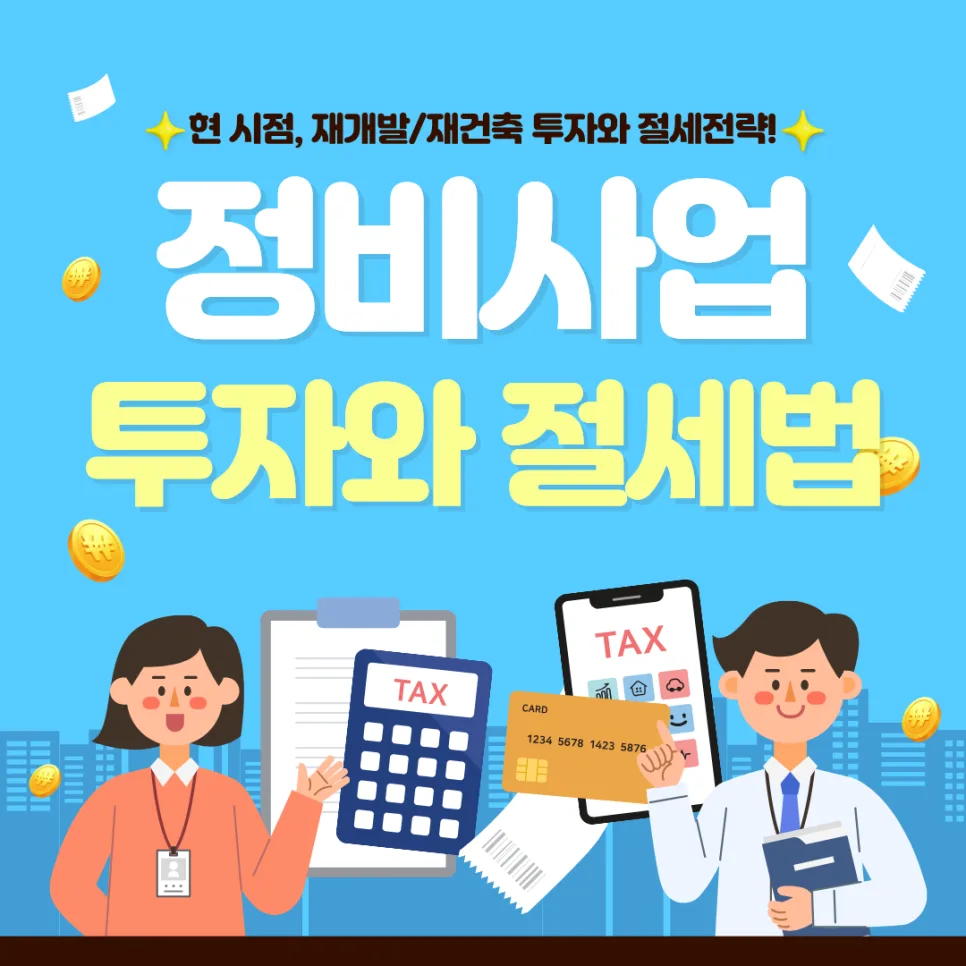
For those eyeing Korean real estate redevelopment and reconstruction projects in 2026, understanding key investment strategies and tax-saving methods is crucial. This guide details how to leverage small housing units to avoid hefty acquisition taxes, differentiate between original and successor union members, and navigate the tax-exemption requirements for substitute housing.
What's the Difference Between Korean Redevelopment and Reconstruction Projects?
While both redevelopment and reconstruction projects aim to revitalize older urban areas by supplying new housing, they differ significantly from an investment perspective. Redevelopment involves demolishing existing structures to create a new complex, whereas reconstruction focuses on tearing down and rebuilding existing apartment complexes. These distinctions directly impact the project's execution, investment costs, potential returns, and, most importantly, tax strategies. For instance, utilizing small housing units in redevelopment projects can offer a pathway to avoid heavy acquisition taxes, while reconstruction projects might allow original union members to benefit from substitute housing tax exemptions. Understanding these differences is the first step toward successful investment, tailored to your financial goals and situation. Many investors overlook these nuances, leading to unexpected tax burdens or missed opportunities.
Original vs. Successor Union Members: Key Investment Differences
Distinguishing between original and successor union members is paramount in redevelopment and reconstruction investments. Original union members are those who participated from the project's early stages and contributed to the union's establishment. They typically hold a more advantageous position regarding property rights and tax benefits, often qualifying for substitute housing tax exemptions. Successor union members, on the other hand, acquire their union membership during the project's progression. Their investment conditions can vary based on the project's development phase. Crucially, successor members often need to acquire their rights after the management disposition plan is approved to be eligible for tax benefits. Investing as a successor member requires careful review of the relevant tax laws and regulations, as unexpected capital gains tax liabilities can arise. Consulting with a tax professional before investing is essential to align strategies with individual circumstances.
What Are the Requirements for Substitute Housing Tax Exemption in Korean Redevelopment?
The substitute housing tax exemption applies to homeowners who, due to redevelopment or reconstruction, have their original home demolished and temporarily acquire another property. To qualify, strict conditions must be met. First, proof of demolition due to the project is required. Second, within a specified period after acquiring the substitute housing, a new home must be built within the project area, and this new home must effectively replace the original one. Specifically, the substitute housing must be acquired within three years of the new home's completion in the original project zone. Original union members who meet these criteria can maximize their redevelopment investment returns while avoiding capital gains tax hikes. However, navigating complex regulations, such as the timing of union member rights transfer and the management disposition approval, necessitates expert guidance.
Tax Strategies for Successor Union Members in Korean Reconstruction
For successor union members investing in redevelopment and reconstruction, developing a sound tax strategy is vital, as tax benefits may be more limited compared to original members. A key strategy involves targeting properties available for transaction after the management disposition plan is approved. Acquiring union membership at this stage grants the right to a newly built apartment upon completion, but careful review of capital gains tax regulations is necessary. Furthermore, investors residing outside speculative overheated zones, such as Seoul, must thoroughly understand local regulations. For example, transferring union membership might be restricted in speculative overheated zones, making pre-investment verification crucial. While successor member investments may offer a lower initial cost, it's important to acknowledge risks like project delays or unexpected additional contributions. Optimal tax strategies vary based on individual investment goals and risk tolerance, so consulting with a tax advisor is highly recommended.
For more details, check the original source below.