In 2026, understanding Korea's regulated real estate zones, such as Speculative Overheated Areas and Adjustment Target Areas, is crucial for anyone looking to buy property. These designations significantly impact eligibility for new home applications, loan limits, and taxes. Navigating these stricter rules requires careful planning and awareness of the specific requirements for each zone.
What Are Korea's Regulated Property Zones in 2026 and Why Do They Matter?
Regulated zones are designated by the Korean government to manage market fluctuations, either cooling down overheated markets or stimulating sluggish ones. Properties within these areas face stricter regulations on loan-to-value ratios (LTVs), higher taxes, and more demanding criteria for applying for new housing. For instance, in Speculative Overheated Areas, LTVs are significantly reduced, and first-time homebuyer eligibility becomes more stringent. However, these zones are often considered government-endorsed 'hotspots' that tend to show resilience during market downturns and lead the recovery during upturns. Identifying whether a property you're interested in falls within a regulated zone is a fundamental step for anyone planning to buy a home or invest in the Korean real estate market. You can typically find the latest information on these zones through the Ministry of Land, Infrastructure and Transport (MOLIT) website or major Korean real estate portals.

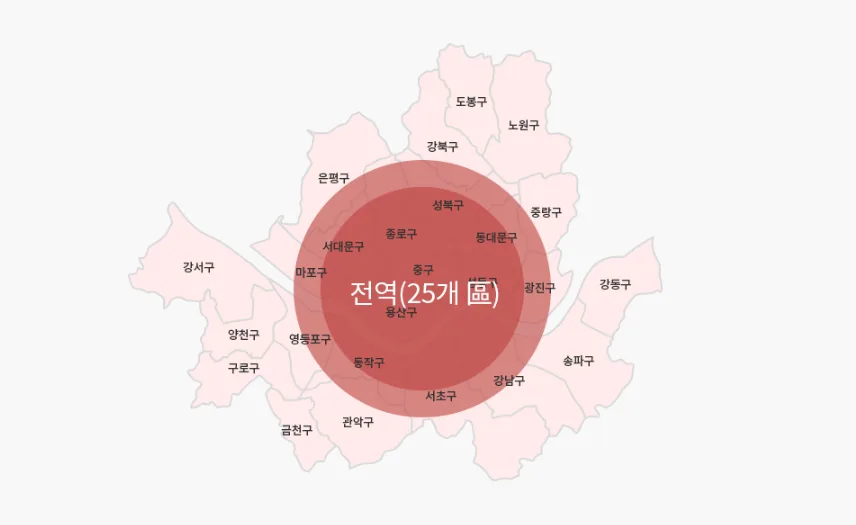
Visualizing these regulated areas on a map is essential for effective financial and application planning.
Navigating First-Time Buyer Eligibility and Re-application Restrictions in Regulated Zones
Applying for apartments in regulated zones comes with a higher barrier to entry compared to non-regulated areas. Generally, to qualify for the first-tier application, you must be the head of your household and must not have had any successful applications for other homes within the past five years. Furthermore, Speculative Overheated Areas can impose re-application restriction periods of up to 10 years. It's vital to meticulously check your personal eligibility and any re-application restrictions before submitting your application. For properties subject to the government's price cap system, there might also be a mandatory residency period after moving in, which needs to be confirmed to ensure you can occupy the home immediately. While these regulations may lower immediate application success rates, they often apply to developments offering long-term residential value, necessitating a thoughtful approach.
Understanding Loan Limits and Fund Procurement Plan Submissions in Regulated Zones (2026)
As of 2026, loan limits for purchasing property in regulated zones are strictly controlled by LTV regulations. For example, homes valued between approximately $1.1 million to $1.8 million USD (1.5 to 2.5 billion KRW) might have a maximum loan of around $300,000 USD (400 million KRW), while homes exceeding $1.8 million USD (2.5 billion KRW) could be limited to about $150,000 USD (200 million KRW). Therefore, when applying for an apartment in a regulated zone, it's crucial to plan for a significant down payment.
The Fund Procurement Plan (similar to a US proof of funds statement) is a mandatory document submitted after winning the bid to verify the source of your funds. Avoid applying without a clear plan, as instances of application cancellations due to an inability to prove fund sourcing are common. Thoroughly assess your financial situation and create a detailed plan beforehand, especially since Speculative Overheated Areas require rigorous documentation.
Comparing Application Conditions and Advantages/Disadvantages vs. Non-Regulated Areas
Regulated zones impose stricter conditions on application eligibility, loans, and taxes compared to non-regulated areas. This can be a deterrent for investors focused on short-term capital gains. However, regulated zones often benefit from government oversight aimed at stabilizing property values, potentially offering better protection against market downturns and leading price appreciation during market upswings. For long-term homeowners, the stability and potential for value appreciation in these government-monitored areas can be advantageous, despite the initial hurdles. Non-regulated areas, while offering more lenient terms, may lack the same level of market stability and government attention.
For more details, check the original source below.