Navigating Korea's Land Transaction Permit Zone (토허제, Tohyeoje) rules, especially concerning the mandatory residency requirement and purchasing homes with existing tenants (세안고 주택, seango juhut), can be confusing. The good news for 2026 is that it is possible to buy such properties, provided you have a clear intention to reside there and the tenant's lease is nearing its end. However, thorough preparation regarding the assumption of the tenant's security deposit and future repayment plans is crucial.
What is Korea's Land Transaction Permit Zone (Tohyeoje) in 2026?
The Land Transaction Permit Zone, or Tohyeoje, is a system requiring official permission from the local district office before buying land or buildings in designated areas. Its primary purpose is to curb real estate speculation and encourage transactions by genuine residents. This is particularly applied in areas with high expectations for redevelopment or significant development potential, aiming to prevent rapid price hikes driven by investment-driven purchases. You can check if a zone is designated on the Ministry of Land, Infrastructure and Transport website or your local government's site. These anti-speculation and resident-focused measures remain in effect in 2026.
What are Seango Homes and Gap Investment? Buying in Tohyeoje Zones
Related Articles
A 'seango juhut' refers to a home purchased while a tenant is still residing there. This method is often discussed alongside 'gap investment' because it reduces the immediate cash outlay for the buyer. Gap investment is a strategy where you leverage the tenant's security deposit to purchase a property with a smaller initial capital. When buying a seango juhut in a Tohyeoje zone, several points require attention. Firstly, obtaining permission is more likely if the tenant's lease is nearing its expiration date, or if the buyer has a clear plan to occupy the property themselves. Secondly, if you assume the tenant's security deposit, you must have a solid plan for repaying that deposit when the tenant vacates. This amount might not be fully covered by a new loan, so securing sufficient cash or having a separate financing plan is essential.
What's the Difference Between Tohyeoje and Regulated Zones?
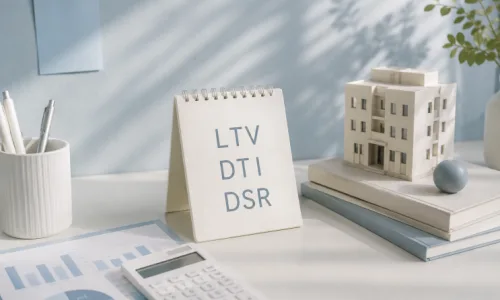
Many people confuse Tohyeoje and regulated zones, but they are distinct. Regulated zones primarily focus on imposing loan-related restrictions, such as Loan-to-Value (LTV) and Debt-to-Income (DTI) ratios. In contrast, the Land Transaction Permit Zone (Tohyeoje) focuses on requiring permits for transactions to guide the market towards genuine residents. Essentially, if regulated zones govern 'loans,' Tohyeoje governs the 'transaction itself' and emphasizes 'residency.' These systems can overlap, so it's vital to understand the specifics of each when considering a real estate transaction.

How Does the Mandatory Residency Rule Apply to Seango Homes in Tohyeoje Zones?
In Tohyeoje zones, the application of the mandatory residency rule for seango homes depends on the tenant's lease expiration and the buyer's intent to live there. If the lease is close to its end and the buyer clearly intends to move in, permission to purchase the seango home may be granted. In such cases, the buyer is obligated to reside in the property after the tenant's lease concludes. However, if the tenant's lease has a long period remaining, or if the buyer's intention to reside is unclear, obtaining permission can be difficult. Therefore, before considering a seango home purchase, it's crucial to confirm the lease end date and your ability to move in with the current tenant. Specific requirements can vary, so consulting with a professional is advisable.
Common Mistakes When Buying Seango Homes in Tohyeoje Zones
The most frequent mistake when purchasing a seango home in a Tohyeoje zone is overlooking the plan for returning the tenant's security deposit. Even if you successfully buy a property with minimal initial capital through gap investment, you could face severe financial difficulties if you cannot return the deposit when the tenant moves out. Other common errors include approaching the purchase purely as an investment without a clear residency plan, or failing to verify the lease expiration date and your ability to move in. This can lead to the transaction being canceled due to not meeting Tohyeoje permit requirements, or unexpected additional financial burdens. Therefore, before buying a seango home, always establish a comprehensive financial plan, a clear residency strategy, and thoroughly review all relevant regulations.
For detailed information on Tohyeoje mandatory residency and seango home purchases, refer to the original article.