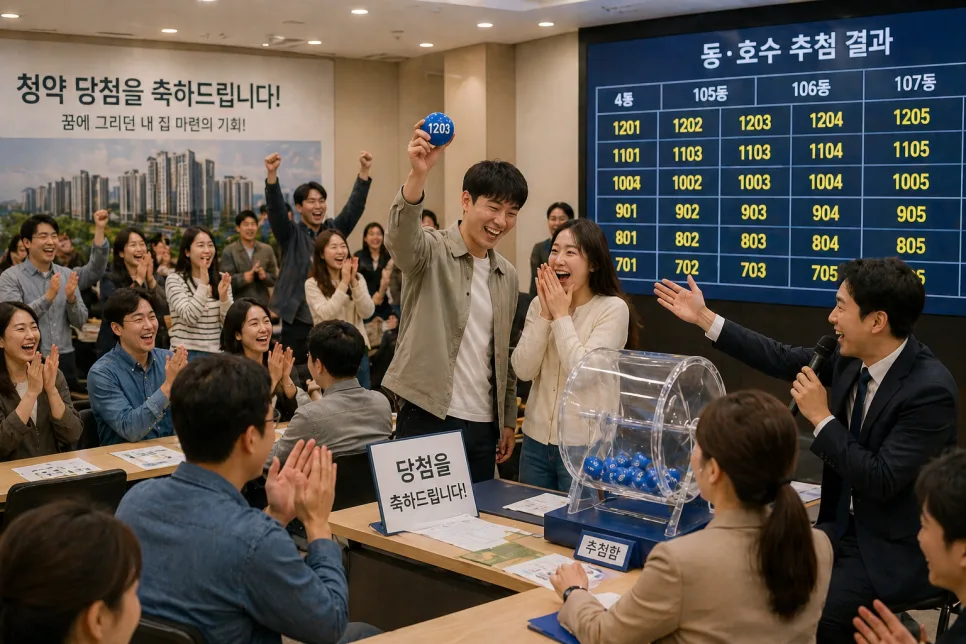
Considering buying a home in 2026? The choice between waiting for a new construction subscription (like a lottery system) or purchasing an existing home hinges on your personal circumstances, including your eligibility score, available waiting time, and current financial situation. If you have the flexibility to wait, a new construction subscription might be more advantageous. However, if immediate occupancy is necessary, buying an existing property is the more practical option.
2026 New Construction Subscriptions: Strategy and Realistic Limits
New construction subscriptions offer the advantage of lower initial capital requirements and the potential to secure a new apartment at a price below market value, especially if the government's price cap system is applied. Popular areas like Olympic Park Foreon in Dunchon-dong, Seoul, or the Knowledge Information Town in Gwacheon, Gyeonggi Province, are expected to remain highly sought after in 2026. However, competition is fierce, often requiring an eligibility score of 60 points or higher for a successful application. Even if you win the subscription, the burden of mid-term payment loan interest rates, estimated at around 4.5% to 5.5% in 2026, can be substantial. Furthermore, the cumulative cost of rent for your current residence while waiting for the subscription to be finalized is a significant, often overlooked, expense.
Buying Existing Homes: Cost Structure and Considerations
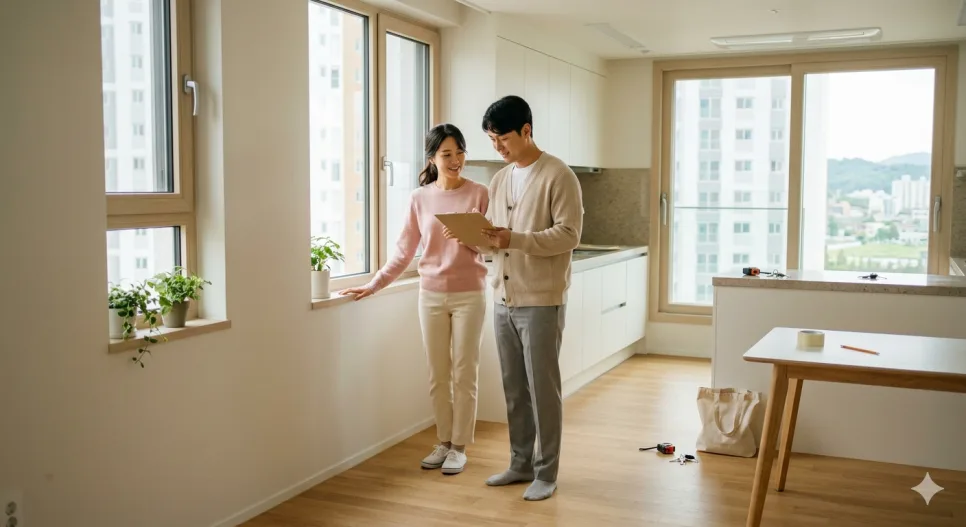
Purchasing an existing apartment offers the clear benefit of immediate move-in, allowing you to directly inspect and choose your preferred location and unit condition. Established complexes like those in Pyeongchon New Town, Anyang, or Helicity in Songpa-gu, Seoul, are attracting interest from owner-occupiers following price adjustments. However, considering that mortgage interest rates in 2026 are projected to be around 4.8% to 6%, borrowing $400,000 (approximately ₩540 million) with a 50% Loan-to-Value (LTV) ratio could result in monthly principal and interest payments of around $2,100 (approximately ₩2.8 million). When you add acquisition taxes (1-3%) and brokerage fees, the initial outlay can be considerable, demanding a cautious approach.
Subscription vs. Purchase: Key Comparison Points for 2026
The most critical decision-making factors for securing a home in 2026 through either a new construction subscription or an existing purchase are the prevailing interest rate environment and the housing supply schedule. In a scenario where interest rates remain around 5% annually, as they are currently, taking on excessive debt for a purchase can lead to significant interest burdens. Conversely, the persistent undersupply in major metropolitan areas suggests potential long-term price stability. Therefore, if immediate residency is a priority, purchasing an existing home is more practical. If you have sufficient financial resources and the patience to wait, pursuing a new construction subscription offers a strategic opportunity. This strategy can be particularly advantageous for those eligible for special subscription categories, such as newlyweds or first-time homebuyers.
Home Buying Decisions: Points to Note for Subscriptions and Purchases
If you opt for a new construction subscription, accurately assess your eligibility score to maximize your chances of winning. It's crucial to factor in the ongoing housing costs (rent) during the waiting period. Also, be mindful of potential fluctuations in mid-term payment loan interest rates. For those considering an existing home purchase, establish a monthly repayment amount that is manageable within the current interest rate environment. Meticulously calculate your total budget, including ancillary costs like acquisition taxes and brokerage fees. Given the inherent volatility of the real estate market, seeking expert advice in 2026 is highly recommended for making a well-informed decision.
For more detailed 2026 home buying strategies, check the original source below.





