South Korea is strategically investing in a massive 100GW renewable energy expansion by 2030 to meet the Paris Agreement's 1.5°C global warming target, focusing on infrastructure and energy storage systems (ESS) for significant investment opportunities.
Is South Korea's 100GW Renewable Energy Goal Realistic by 2030?
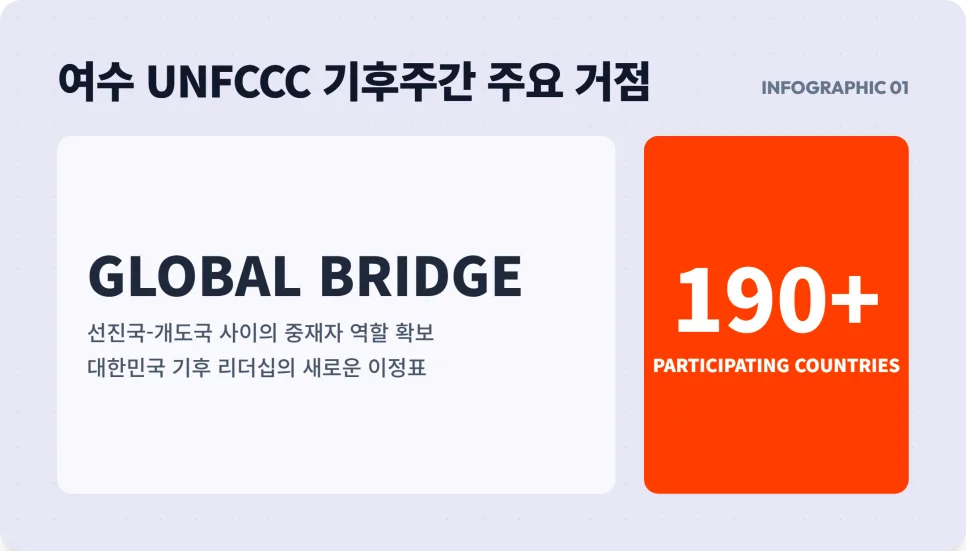
The 2026 Yeosu Climate Week marked a pivotal moment for South Korea's energy sector, with the government announcing an ambitious plan to triple its renewable energy capacity from approximately 34GW to 100GW by 2030. This isn't just about increasing capacity; it's a national imperative to enhance energy independence and achieve the Paris Agreement's critical 1.5°C warming limit. Achieving this goal necessitates the development of large-scale offshore wind and solar farms, alongside the construction of an 'energy highway' and advancements in smart grid technology. The projected growth from an estimated 34GW in 2024 to 100GW by 2030 represents a staggering 194% increase, with distributed energy sources expected to double their share from 15% to 30%. This transformative shift is poised to create immense opportunities for related component and equipment manufacturers.
Why is the Paris Agreement's 1.5°C Target Scientifically Crucial?
Limiting global temperature rise to 1.5°C above pre-industrial levels is recognized as the last line of defense for humanity. Scientists warn that even a 0.5°C difference in warming significantly escalates the frequency and intensity of extreme weather events, posing catastrophic risks to global ecosystems and economies. For instance, sea levels are projected to rise by 0.40 meters at 1.5°C warming, but this figure climbs to 0.46 meters at 2.0°C, dramatically increasing the flood risk for coastal cities. Coral reefs, vital to marine biodiversity, face a 70-90% extinction rate at 1.5°C, soaring to over 99% at 2.0°C. Furthermore, the population exposed to extreme heatwaves could jump from 14% to 37%, a 2.6-fold increase. The devastating impacts of this seemingly small temperature difference underscore the urgent need for international cooperation and South Korea's proactive role in achieving the 1.5°C goal.
Investment Opportunities in Energy Highways and ESS Development
A cornerstone of this energy transition is the development of 'energy highways' designed to alleviate grid congestion and optimize the balance between power generation and consumption. This initiative aims to complete a smart grid system, enabling efficient storage and real-time distribution of surplus electricity. Such an advanced grid infrastructure is expected to catalyze explosive growth in the Energy Storage System (ESS) market. South Korean companies with strong battery technology are particularly well-positioned to benefit from this expansion. Climate action is increasingly viewed not as a cost, but as a strategic investment to capture future markets. Companies failing to meet RE100 (100% renewable energy usage) standards risk losing significant export competitiveness. The government is also exploring citizen participation models like 'climate action opportunity income' to attract private capital, paving the way for new financial products. Investors should explore opportunities in carbon credit markets and renewable energy funds to capitalize on this evolving landscape.
Investing in Companies for the Carbon-Neutral Era
The message from the 2026 Yeosu Climate Week is clear: a definitive shift from a carbon-based economy to a green energy economy is underway. From an investment perspective, key sectors to watch include companies modernizing power infrastructure, especially those possessing large-scale ESS technology. These firms will play a crucial role in building out the energy highways and smart grids of the future. Additionally, companies proactively addressing carbon border taxes and accelerating their RE100 commitments are likely to dominate the future market, as they align with evolving policies and build sustainable business models. For individual investors, consulting with financial professionals is essential to align investment decisions with personal risk tolerance and financial goals. Navigating this changing energy paradigm with informed investments can lead to sustainable growth.
English crawl path
Next English reads from this pilot cluster
Continue through the category hub, latest English stories, and related posts so this translated article is not an isolated URL.
Tags
💬Frequently Asked Questions
What should I check first in Korea's 100GW Renewable Energy Plan for 1.5°C Goal (2026)?
Does this Finance article link back to the Korean source?
Where can I find similar English stories?
English discovery path
Explore more English K-culture stories
Keep browsing the indexed English pilot cluster so Google and readers can move between this story, the category hub, and fresh discovery pages.
Original Source
Read the Korean original