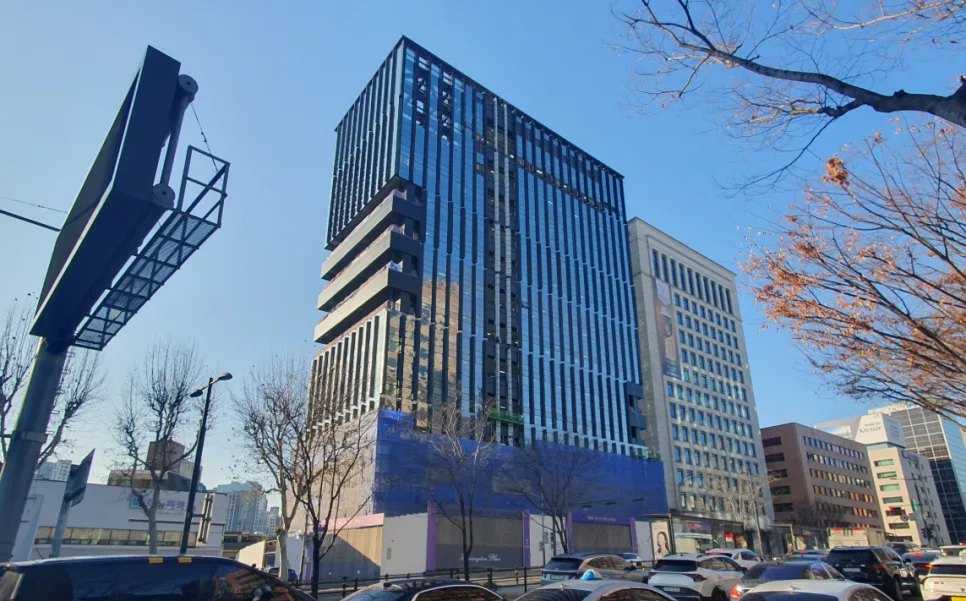
The Gangnam building market has shifted from a 'no-questions-asked' investment frenzy to one that prioritizes location and long-term stability, driven by falling returns, tighter lending, and high interest rates. Despite these challenges, prime properties in Gangnam continue to see consistent transactions.
Why Are Gangnam Building Market Returns Declining in 2026?
In recent years, the Gangnam building market has experienced a significant disconnect between soaring property prices and stagnant rental income, leading to noticeably lower returns. While previously investors could expect annual returns of 3% or more, recent transactions are often closing with yields of 2% or less. This decline puts considerable pressure on investors and diminishes the market's former appeal. Compounding this issue, rising interest rates have increased debt servicing costs, making it difficult for some building owners to cover their loan payments solely through rental income.
How Have Lending and Financial Environments Changed for Gangnam Buildings?
In the past, securing loans for building purchases was relatively straightforward during periods of low interest rates. However, recent tightening of lending regulations and restrictions on loans for rental property businesses have made aggressive acquisitions much more challenging. Furthermore, the increase in benchmark interest rates has significantly raised the cost of borrowing, impacting the financial viability of building investments. These shifts in the financial landscape necessitate a more cautious approach to financing and increase the barrier to entry for potential investors, demanding thorough due diligence on funding plans and interest repayment capabilities.
Why Is the Burden of New Construction and Remodeling Increasing?
The sustained rise in land prices, construction costs, and financing expenses over the past few years has dramatically increased the cost of new builds and major renovations for buildings. While construction and remodeling were active in the low-interest rate environment of 4-5 years ago, many new projects are now struggling to attract tenants upon completion, forcing owners to sell at a loss. In some severe cases, owners are looking to offload properties with losses of hundreds of thousands to millions of dollars. This reflects a market where securing stable rental income after construction is no longer guaranteed, underscoring the need for meticulous analysis of future rental market trends beyond just initial construction costs.
Are Prime Gangnam Buildings Still Actively Trading?
The downturn isn't affecting all Gangnam buildings equally. Properties located in prime Gangnam areas, those suitable for corporate headquarters, unique or rare assets, and buildings with stable rental income continue to trade consistently, regardless of broader market fluctuations. This highlights a growing polarization in the real estate market, where the value gap between superior and inferior assets is widening. Investors are increasingly shifting their focus from the 'guaranteed appreciation' mindset to prioritizing operational viability and long-term stability. Consequently, competitive location and rental stability are becoming the most critical factors in investment decisions.
For more details, check the original source below.





