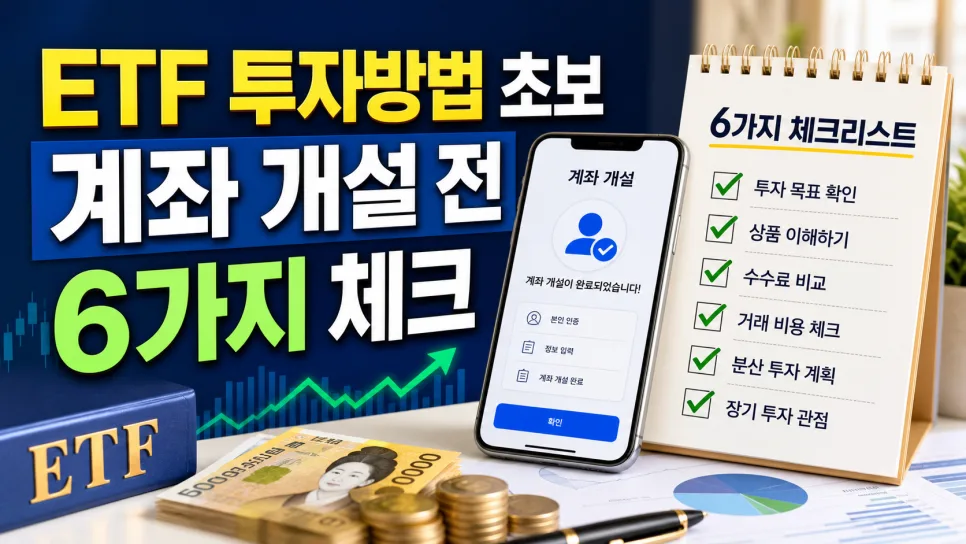
New to ETF investing? Before opening an account, US beginners must check the underlying index, expense ratio, trading volume, and currency hedging status. ETFs are exchange-traded funds that allow you to buy and sell baskets of stocks like individual shares, making diversified investing more accessible than ever in 2026.
What Should You Check Before Starting ETF Investments?
An Exchange-Traded Fund (ETF) is essentially a basket of securities—like stocks, bonds, or commodities—that trades on an exchange, much like an individual stock. Many ETFs are designed to track specific market indexes, such as the S&P 500 or the Nasdaq 100, making them a popular choice for beginners seeking diversified exposure. However, even ETFs tracking the same index can differ significantly in terms of management fees (expense ratios), whether they hedge currency risk, distribution policies, and trading liquidity. Thoroughly researching these fundamental details before making an investment decision is crucial. For long-term investors, a lower expense ratio can have a substantial positive impact on overall returns over time.
What's the First Purchase Checklist for Beginner ETF Investors?
For those new to ETF investing, pay close attention to these four key factors before your first purchase. First, identify the underlying index the ETF tracks, which is usually stated in its name. Second, examine the annual expense ratio to understand the ongoing costs associated with holding the ETF. Third, assess the daily trading volume and the ETF's total assets under management to gauge its liquidity. Low trading volume can make it difficult to buy or sell at your desired price. Fourth, for ETFs tracking international indexes, determine whether they are currency-hedged or unhedged. This distinction is vital as currency fluctuations can significantly impact your actual returns. Focusing on these basic checks can substantially reduce the risk of investment missteps.
What Are Common Pitfalls to Avoid with ETF Investing?
While ETFs offer excellent diversification benefits and are generally accessible to beginners, it's important to remember they are not FDIC-insured like bank deposits, meaning your principal is not guaranteed. Particularly, thematic ETFs that concentrate on specific industries like semiconductors, electric vehicle batteries, or artificial intelligence can experience high volatility based on market trends. Furthermore, the type of account you use for investing matters. Investing through a traditional brokerage account differs from using tax-advantaged retirement accounts like a Roth IRA or a Traditional IRA. These retirement accounts may offer tax benefits and have different rules regarding eligible investments. If considering retirement accounts, carefully compare the product offerings and tax implications detailed by each brokerage. Ultimately, investment decisions are your responsibility, so always review the ETF's prospectus and product descriptions thoroughly.
What Criteria Should Guide Your ETF Investment Decisions?
For beginner investors, the most practical decision-making point is asking yourself: 'Can I clearly explain why I'm buying this ETF?' Instead of investing solely because an index is well-known, it's better to first determine your investment goals and choose an ETF type that aligns with them—whether it's a broad market index ETF, a dividend-focused ETF, or a sector-specific ETF. Once your objective is clear, re-evaluate the key metrics like the underlying index, expense ratio, trading volume, and currency risk. Making your first purchase after this thorough review is advisable. Remember, all investment decisions are made at your own risk. It’s always a good practice to double-check official materials from the asset management company and the ETF's prospectus. Consulting with a financial advisor can also be beneficial, depending on your individual financial situation and market outlook.
For more details, check the original source below.





