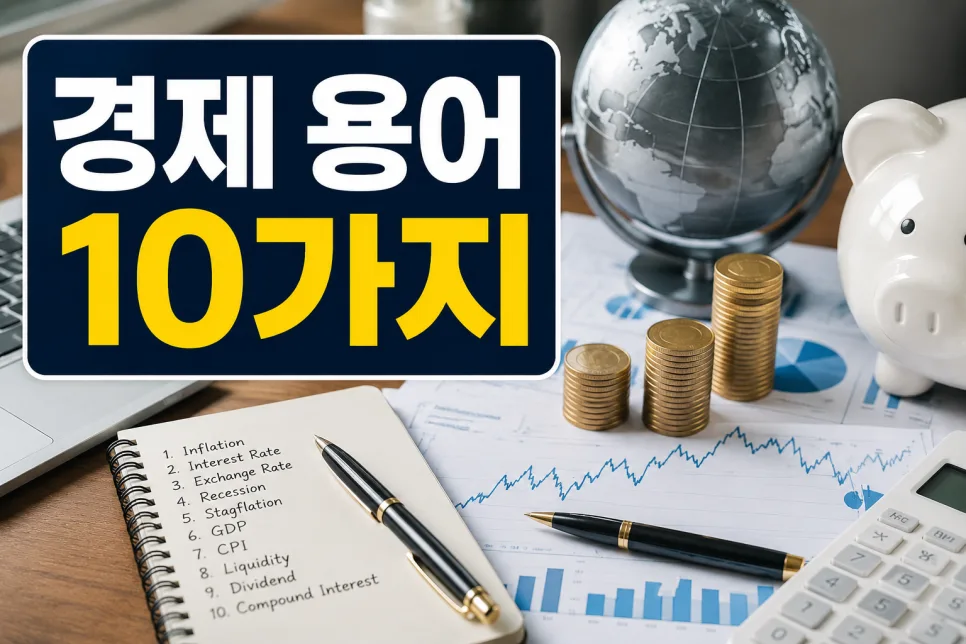
In 2026, understanding key economic terms like inflation, interest rates, and exchange rates is crucial for making smart financial decisions. This guide breaks down 10 essential economic concepts in plain English, focusing on how they impact your daily life, spending, and investments.
What Are the Key Economic Terms You Need to Know in 2026?
Economic news can seem complex, but grasping fundamental terms is key to navigating your personal finances. Concepts like interest rates, inflation, and exchange rates directly influence your loan payments, purchasing power, and investment returns. In a year like 2026, where economic shifts can be rapid, staying informed is more important than ever. This guide will demystify these terms, empowering you to understand financial news and build a more confident financial plan.
How Do Inflation and Interest Rates Affect Your Daily Life?
Inflation refers to the general increase in prices for goods and services over time, meaning your money buys less than it used to. For example, if a meal that cost $10 last year now costs $12, that's inflation at play. Rising costs for groceries, dining out, and utilities are common signs. The benchmark interest rate, set by the central bank (like the Federal Reserve in the US), influences borrowing costs. When this rate rises, so do loan payments, impacting mortgages and credit cards. Conversely, lower rates can stimulate spending and investment. Understanding these dynamics helps you manage household budgets and debt effectively.
What's the Impact of Exchange Rate Fluctuations and Economic Downturns?
An exchange rate shows the value of one currency compared to another. For instance, a stronger US dollar means imported goods become cheaper, but US exports become more expensive for foreign buyers. A weaker dollar makes imports pricier but can boost US exports. An economic downturn, or recession, is a period of widespread decline in economic activity, marked by reduced consumer spending, lower business investment, and job losses. During such times, personal income may be less stable, making careful budgeting and financial planning essential to weather the storm.
Understanding Stagflation, GDP, CPI, and Liquidity
Stagflation is a challenging economic scenario where high inflation occurs alongside stagnant economic growth and high unemployment. It presents a difficult situation for policymakers and consumers alike. GDP (Gross Domestic Product) is the total monetary value of all finished goods and services produced within a country in a specific period, serving as a primary indicator of economic size and health. The Consumer Price Index (CPI) measures the average change over time in the prices paid by urban consumers for a market basket of goods and services, reflecting your cost of living. Liquidity refers to how easily an asset can be converted into cash without affecting its market price. High market liquidity generally supports stable asset prices.
How Do Dividends and Compound Interest Drive Long-Term Wealth?
Dividends are portions of a company's profits distributed to its shareholders, often seen as a reward for investing in the company's stock. For long-term investors, consistent dividend payments can provide a steady income stream. Compound interest, often called the





