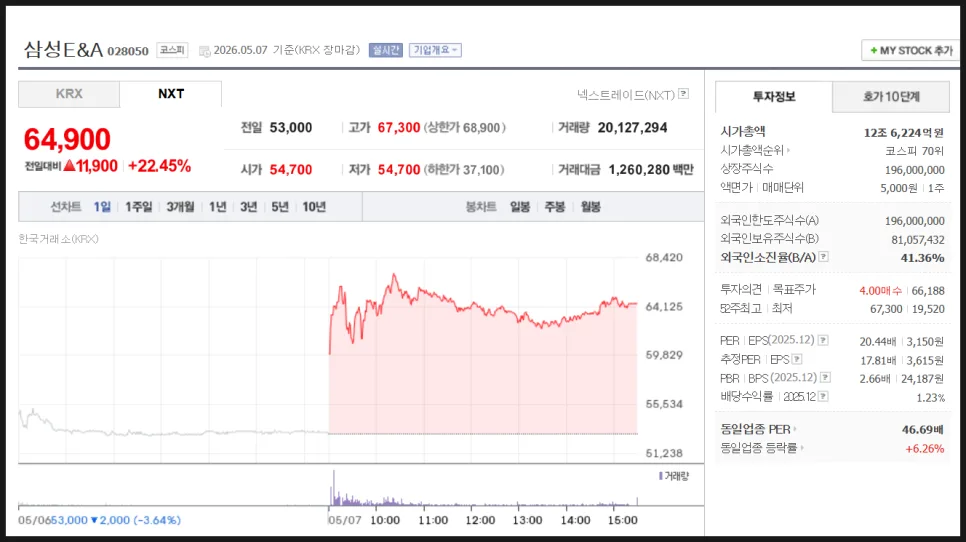
Understanding the core principles of candlestick trading can unlock opportunities in the stock market. Specifically, strategies using the upper and lower wicks of candlesticks can offer potential for profit even during market downturns. This article provides a detailed guide to the fundamental principles of candlestick trading and actionable strategies for real-world application.
What Are the Basic Principles of Candlestick Trading?
Candlestick trading is a method of determining trading times by analyzing candlestick charts, which visually represent stock price movements. Each candlestick displays the open, high, low, and closing prices for a specific period, offering insights into market sentiment and supply/demand dynamics. The length of the candlestick's body and the presence or absence of its wicks are crucial indicators of buying and selling pressure. For instance, a long lower wick suggests strong buying interest at that price level, potentially signaling a rebound. Conversely, a long upper wick indicates significant selling pressure, hinting at a possible decline. Observing these candlestick formations is vital for stock investors. Personally, while on my way to visit my mother, I recalled the simple principle of buying at the lower wick and selling at the upper wick while looking at Samsung E&A's daily candlestick chart. This experience deepened my understanding of candlestick trading's core principles.
How to Find Candlestick Trading Stocks That Offer Profit Potential During Downturns?
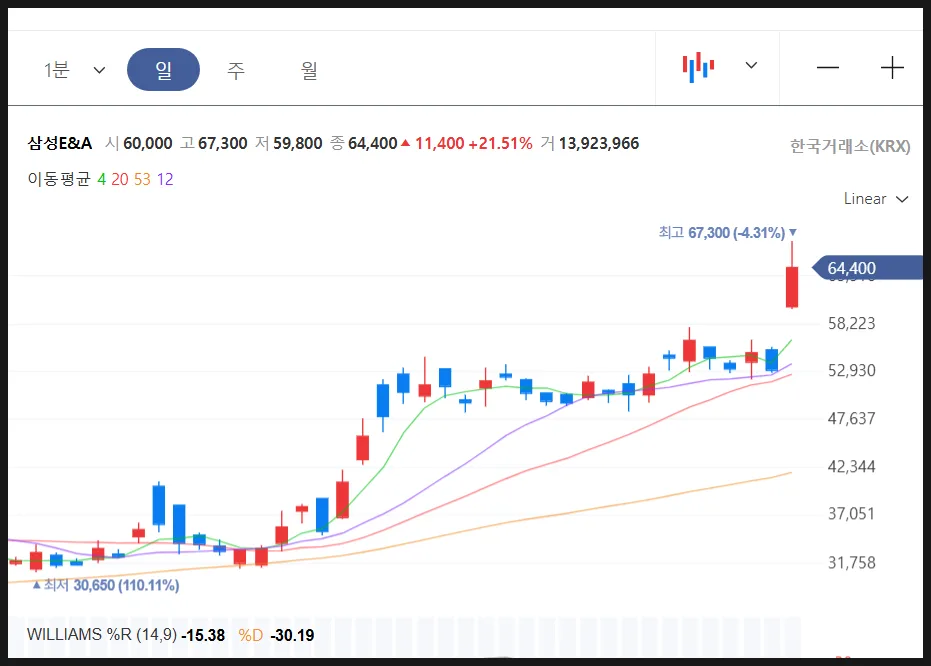
Not all stocks guarantee profits during a market downturn. The key is to identify stocks, like 'Innotena,' that frequently exhibit long upper and lower wicks. These stocks are characterized by high price volatility and intense battles between buyers and sellers at specific price points. During a downturn, a long lower wick signifies consistent buying interest at that price, potentially creating opportunities for short-term rebounds or sideways movements. Upon reviewing 'Innotena,' I observed numerous long upper and lower wicks, indicating data suitable for candlestick trading even in a falling market. Therefore, selecting and analyzing stocks with these characteristics for focused trading can be an effective strategy. In contrast, I've observed that while Samsung E&A offers normal profit margins during uptrends, it doesn't provide a favorable structure during downturns. This highlights the importance of finding stocks like Innotena that can yield profits even when the market is falling.
What Are Common Mistakes in Candlestick Trading?
A frequent error among novice candlestick traders is making hasty trading decisions based solely on the candlestick's shape. This might involve buying simply because a bullish (green) candle appears or selling due to a bearish (red) candle, overlooking the broader market context and other technical indicators. Focusing exclusively on the length of the wicks can also be risky, as a long wick doesn't guarantee price movement in that direction. In my experience, out of 35 stocks, only about 25% show significant trading activity, while the rest are relatively quiet, demonstrating that a one-size-fits-all approach without considering individual stock characteristics is ineffective. Therefore, when using candlestick trading, it's essential to analyze various factors comprehensively, including trading volume, moving averages, and support/resistance levels, not just the candlestick patterns. Approaching with caution based on personal investment style and risk tolerance is crucial, and seeking expert advice may also be beneficial.
What Should Be Considered When Applying Candlestick Trading?
When applying candlestick trading to actual investments, several key considerations are important. Firstly, it's more effective to analyze patterns formed by multiple candlesticks rather than focusing on individual ones, as combinations can offer clearer trend or reversal signals. Secondly, recognize that candlestick pattern analysis is probabilistic; not all patterns are 100% accurate, making strict adherence to stop-loss principles essential. Thirdly, choose a candlestick analysis method that aligns with your investment goals and timeframe. For short-term trading, intraday charts are useful, while daily or weekly charts are more suitable for long-term investments. Finally, candlestick trading should be used as a supplementary analysis tool, complementing other methods like macroeconomic analysis and fundamental company analysis for greater effectiveness. Synthesizing these points to establish your own trading principles is the key to successful candlestick trading.
For more details, check the original source below.