If you're looking for a stock trading journal from May 7, 2026, this guide offers practical strategies to overcome impulsive trading habits and build a disciplined investment approach. Learn how to avoid common pitfalls and develop a winning strategy.
Why the Emotional Trading on May 7, 2026?
Reflecting on the trading day of May 7, 2026, reveals a pattern of emotional decision-making rather than adherence to a strategy. The primary culprit was FOMO (Fear Of Missing Out), leading to impulsive chasing of stocks that others were profiting from. News about major companies like Samsung Electronics or Jenic Robotics fueled this 'moth-to-a-flame' trading behavior. Despite buying into these trends, the outcome was often a forced stop-loss, resulting in significant losses. This highlights a lack of fundamental knowledge about the stock market and a failure in emotional regulation. It's a stark reminder that sometimes, a lack of knowledge can paradoxically lead to better outcomes than emotional trading. Deep self-reflection on these trading habits is essential.
The Costly Experience of Chasing Gains with Jenic Robotics
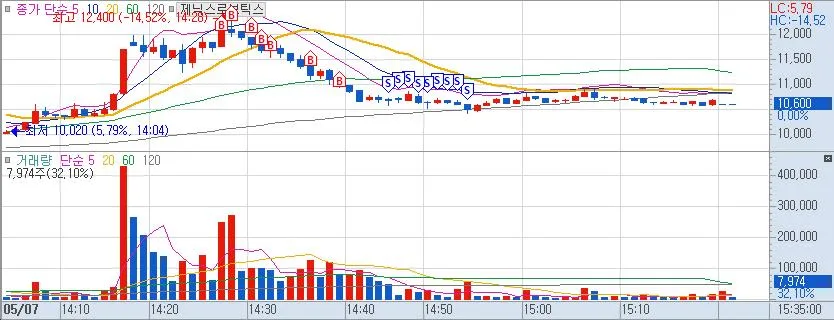
The stock Jenic Robotics experienced a surge in the afternoon session, partly fueled by news of Samsung Electronics' investment in robotic automation. Believing it would hit the upper price limit (the 'limit-up'), I decided to chase the momentum, aiming for both a 'limit-up' trade and a hold until the market close. This decision was influenced by a previous missed opportunity with Dream Security, where I regretted not holding overnight. However, the market didn't unfold as predicted. Jenic Robotics' stock began to decline, and I found myself repeatedly buying more shares to average down my cost basis, a strategy known as 'water-filling' in Korean trading circles. This only amplified the losses, forcing a painful stop-loss to minimize further damage. This experience underscored the danger of underestimating market volatility and overconfidence in my own judgment.
Lessons from Osolution Trading and Account Management
Similarly, with Osolution, I chased the stock after it hit the limit-up and then began to fall. Again, I continued buying as the price dropped, increasing my losses. This pattern of trading is a wake-up call, as it can rapidly deplete an investment account. Despite keeping a daily journal and reviewing my trades, breaking these ingrained habits proved difficult, leading to frustration. However, in such moments, it's crucial to stick to one's principles and view the day's losses as a learning opportunity for tomorrow. Valuing even small losses and committing to continuous study while establishing a personal trading strategy are the keys to long-term success. This realization reinforced the need for discipline.
Practical Strategies to Overcome Impulsive Trading
Based on these experiences, I've established several concrete action steps. Firstly, I will strictly prohibit any short-term trading before 3:00 PM KST (Korean Standard Time) for the foreseeable future. This is to prevent getting caught in the volatile price swings that often occur just before market close. Secondly, I will practice adhering to my own trading principles, resisting the urge to follow others' trades or react impulsively to market news. Thirdly, I will dedicate time daily to study investment-related materials, such as books and market analysis. Finally, I will cultivate a positive mindset, reinforcing self-belief with the mantra, 'I can do this.' My goal is to become a trader earning over ₩10 million (approximately $7,500 USD) per month within five years. I am confident that consistent effort and perseverance will lead to achieving this objective.
For more details, check the original source below.