I steer clear of leverage investing for a clear reason: while it promises high returns, it comes with equally high risks. My own experience has shown that steady, consistent investing ultimately leads to greater long-term success. This guide will explain why leverage is so dangerous and offer safer alternatives for 2026.
Why Is Leverage Investing So Risky? Key Reasons for 2026 Investors
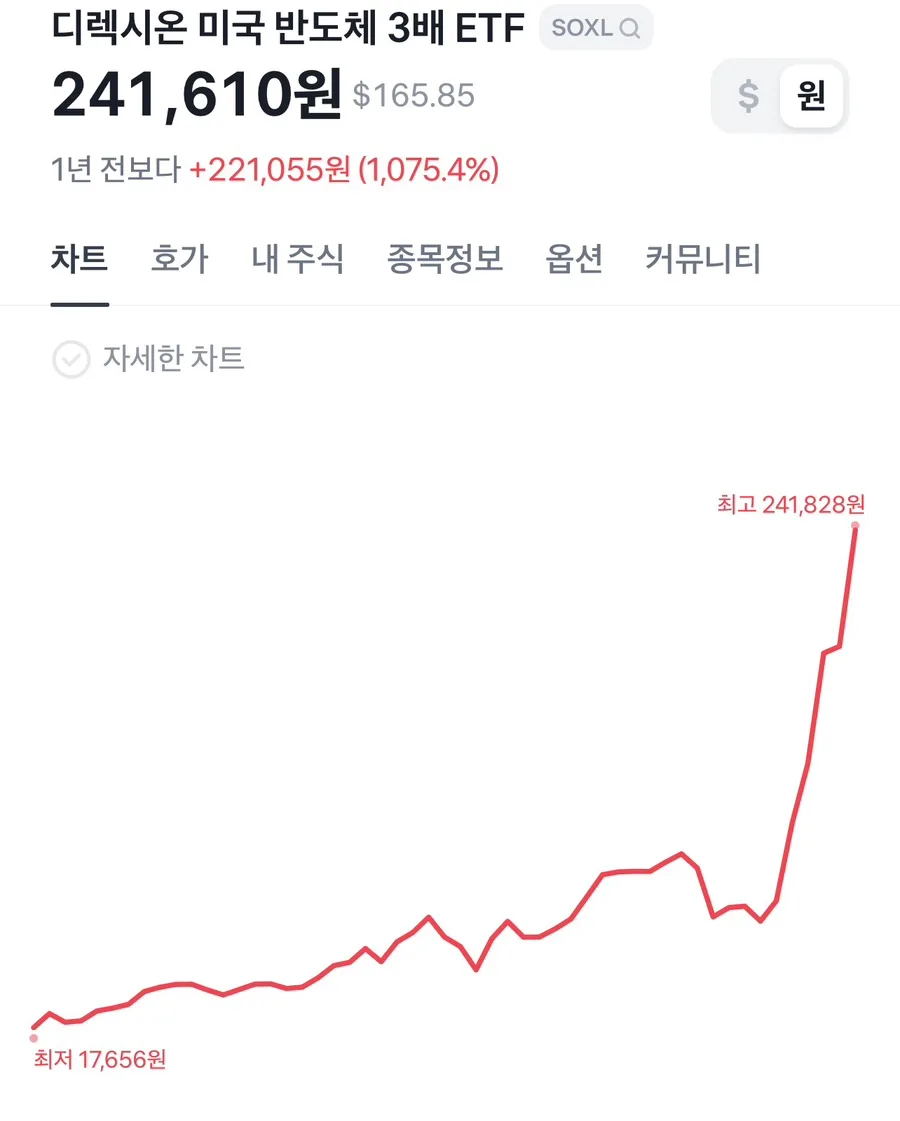
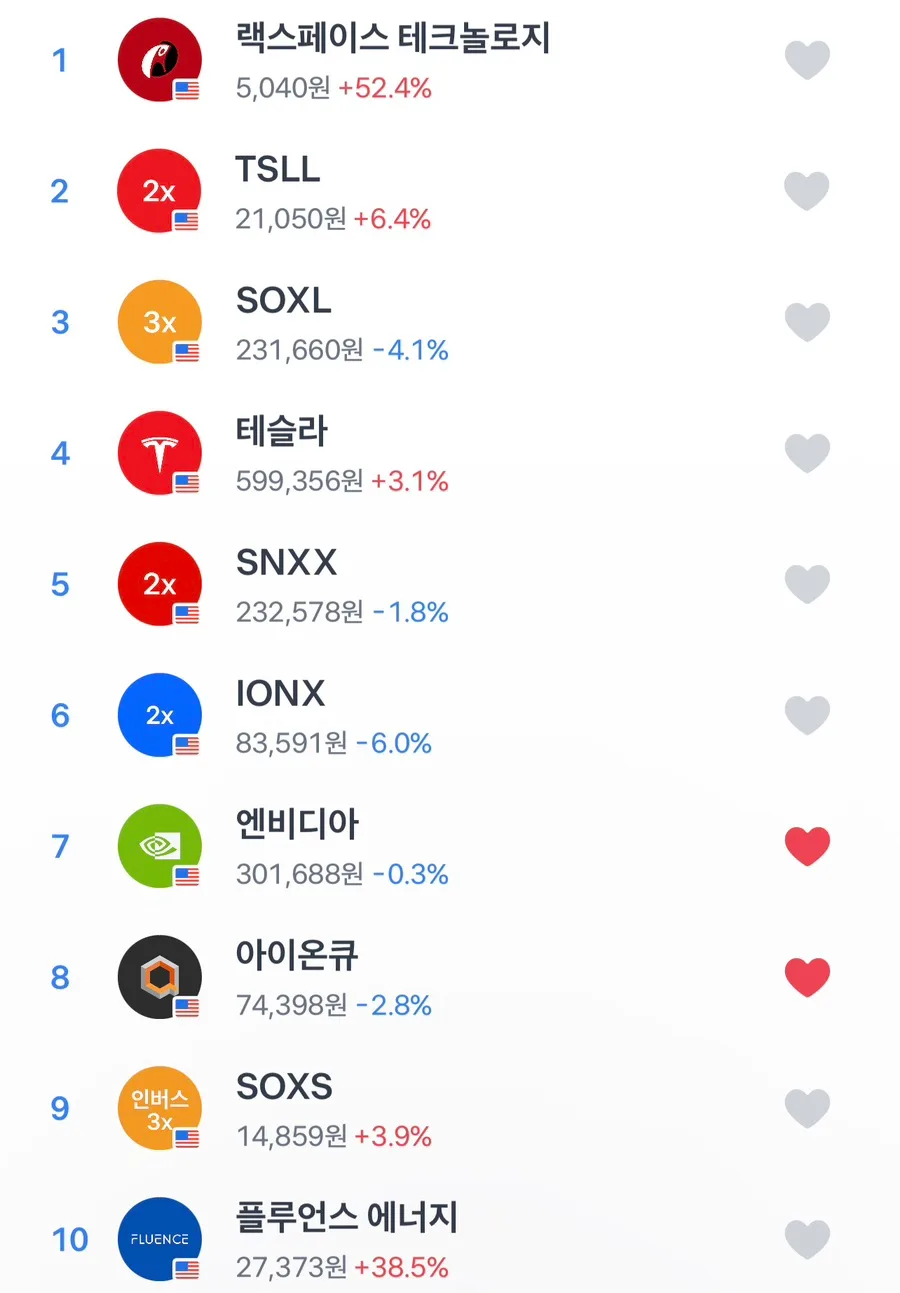
Leverage investing involves using borrowed funds to amplify your investment returns. The allure of potentially doubling, tripling, or even quadrupling your gains can be incredibly tempting. In Korea, some platforms even feature leverage products among their top-ranked investments, with certain products seeing exponential growth in short periods, fueling narratives of achieving significant wealth by age 30. However, I strongly advise against these products. Leverage investing is typically the domain of seasoned professionals and is not suitable for the average investor aiming for long-term wealth. Without robust mental fortitude, repeated leveraged trades can easily devolve into gambling.
How to Grow Your Assets Through Stable Investing
Related Articles
Instead of leveraged products, I prefer investing directly in solid companies or utilizing dollar-cost averaging with ETFs. Blue-chip stocks like Intel or AMD can offer substantial long-term returns without the added risk of leverage. Believing in these companies and investing consistently has yielded satisfying results. My ETF dollar-cost averaging strategy has also been effective. This year alone, my ETF investments have generated approximately $7,500 (10 million KRW) in returns, separate from any dividend income. While I've explored riskier avenues like crypto and futures in the past, seeking rapid financial freedom, I've realized their ultimate lack of substance. Relying on steady stock appreciation and dividends alongside my salary provides a comfortable financial cushion.
Why Choose ETF Dollar-Cost Averaging Over Leverage?
Leverage investing might offer short-term windfalls, but its extreme volatility makes it unsuitable for long-term strategies. In contrast, dollar-cost averaging with ETFs involves consistently investing small amounts, aiming for market average returns, which offers greater stability. I aim for 'relaxed' financial freedom rather than 'rapid' financial freedom. Through ETF dollar-cost averaging, I've seen returns of $750 (1 million KRW) in 2022, $2,250 (3 million KRW) in 2023, $2,250 (3 million KRW) in 2024, $3,750 (5 million KRW) in 2025, and $7,500 (10 million KRW) by April 2026. This functions like generating a stable bonus income. While seeing others achieve quick wealth through leverage can be envied, I believe building a strong financial foundation through consistent, sensible investing is the wiser path. This approach prioritizes strengthening one's financial 'stamina' to reach the goal, rather than taking risky shortcuts.
Common Mistakes to Avoid with Leverage Investing
The most frequent pitfall in leverage investing is failing to manage one's emotions. The high volatility can trigger fear during market downturns, leading to panic selling, or greed during upturns, resulting in over-investment. This emotional rollercoaster can easily turn investing into gambling. Furthermore, leveraged products are derivatives, requiring a solid understanding of complex financial instruments like futures and options. Investing without sufficient knowledge can lead to unexpected losses. Therefore, I recommend long-term investments in index-tracking ETFs or blue-chip stocks over leverage. Setting realistic goals, such as a 10% annual asset growth, and investing safely is crucial. Consulting with a financial advisor can also help tailor the best investment strategy to your individual needs and risk tolerance.
This is not financial advice. Consult a licensed financial advisor.





