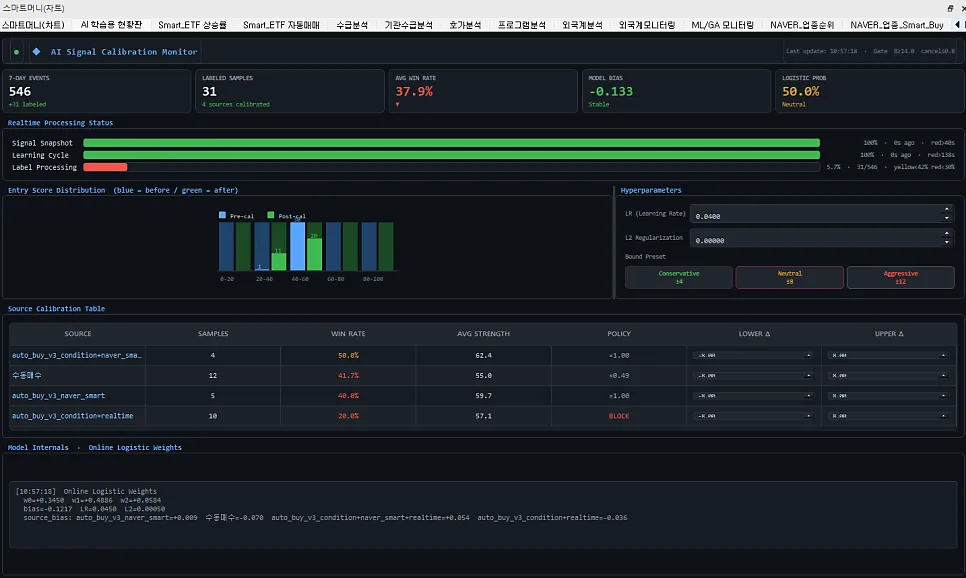
As of April 20, 2026, AI trading models achieved a 50% win rate, surpassing the 41.7% win rate of manual stock selection. This milestone signifies a crucial step towards increased investment allocation and more effective portfolio management powered by AI.
How Did AI Trading Models Reach a 50% Win Rate?
Recently, our developed AI auto-trading model has stabilized at a 50% win rate after intensive learning periods. This figure is a significant improvement over the 41.7% win rate achieved through manual stock selection. AI-driven investment models prioritize consistent returns over merely high win rates. While a month of trading data indicated challenges in dramatically boosting win percentages, reaching the 50% mark provides a solid foundation for increasing investment allocation and enabling more efficient portfolio management. This data-driven win rate can serve as a basis for weighted investments, leading to better portfolio oversight.
Why Is AI Auto-Trading More Advantageous Than Manual Trading?
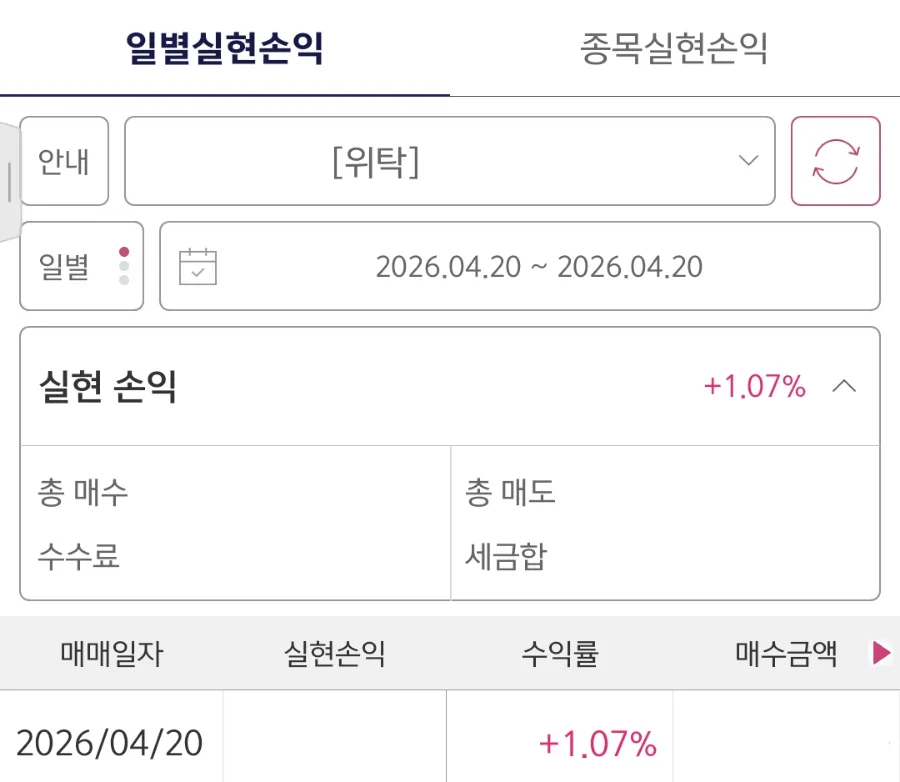
AI auto-trading systems make trading decisions based on objective data, free from human emotion. This allows for a consistent investment strategy even amidst market volatility. Achieving a 50% win rate suggests the AI can learn and predict market patterns to a certain extent. To break the cycle of hesitation in weighted investments due to low win rates and reliance on manual trading, enhancing the AI model's reliability is paramount. Moving beyond analog stock trading, the ultimate goal of auto-trading research is to build a more stable asset management model that transcends these repetitive win-rate battles. If an AI model can navigate market uncertainties and maintain a consistent win rate, it offers investors psychological stability and opportunities for long-term asset growth.
The Ultimate Goal of AI Trading Models: Achieving 1% Daily Returns
The ultimate objective of AI auto-trading models extends beyond achieving a high win rate; it aims to consistently secure over 1% in daily returns. The current 50% win rate is a positive starting point, but further algorithmic improvements and optimization are necessary to maximize profitability. Market conditions are constantly evolving, making continuous learning and updates essential for AI models to adapt flexibly. A 1% daily return, considering the power of compounding, represents a realistic and substantial goal for asset growth. To achieve this, AI models must meticulously adjust various factors, including trading frequency, stop-loss criteria, and profit-taking points.
What Precautions Should Be Taken with AI Auto-Trading?
While AI auto-trading offers clear advantages, blind faith is ill-advised. Firstly, AI models can suffer from biased training data. A model trained on past market conditions might be vulnerable to unexpected market shifts. Secondly, there's the issue of overfitting, where a model is excessively optimized for a specific period and performs poorly in real-world trading. Thirdly, technical errors, such as system glitches or communication failures, can lead to unforeseen losses. Therefore, when utilizing AI trading models, it's crucial to always verify backtesting results and manage risk by investing only a portion of your capital. Regularly monitor the model's performance against changing market conditions and consider manual intervention when necessary.
Detailed results of the AI trading model are available in the original article.