
In the age of AI, insurance agents can thrive by embracing continuous learning and genuine client communication. Mastering AI tools and marketing strategies, understanding client needs, and providing personalized solutions are key to success. This guide, drawing from 11 years of experience, outlines how agents can leverage technology while maintaining the human touch essential for client trust and business growth.
How Should Insurance Agents Adapt Their Roles in the AI Era?
As an insurance agent with over a decade of experience, I've witnessed firsthand the market's evolution. In the past, our role was primarily transactional – selling insurance products. Today, we must transform into experts who leverage AI and marketing technologies to deeply understand complex client needs and deliver tailored solutions. For instance, I focus on building trust through hands-on support, like assisting clients with claims, which is a human element AI can't replicate. I'm also actively learning AI tools through free online courses to enhance my efficiency and offer greater value. This commitment to growth and genuine client connection is crucial for navigating the changing landscape and building lasting relationships.
How Can Insurance Agents Increase Efficiency with AI Tools?
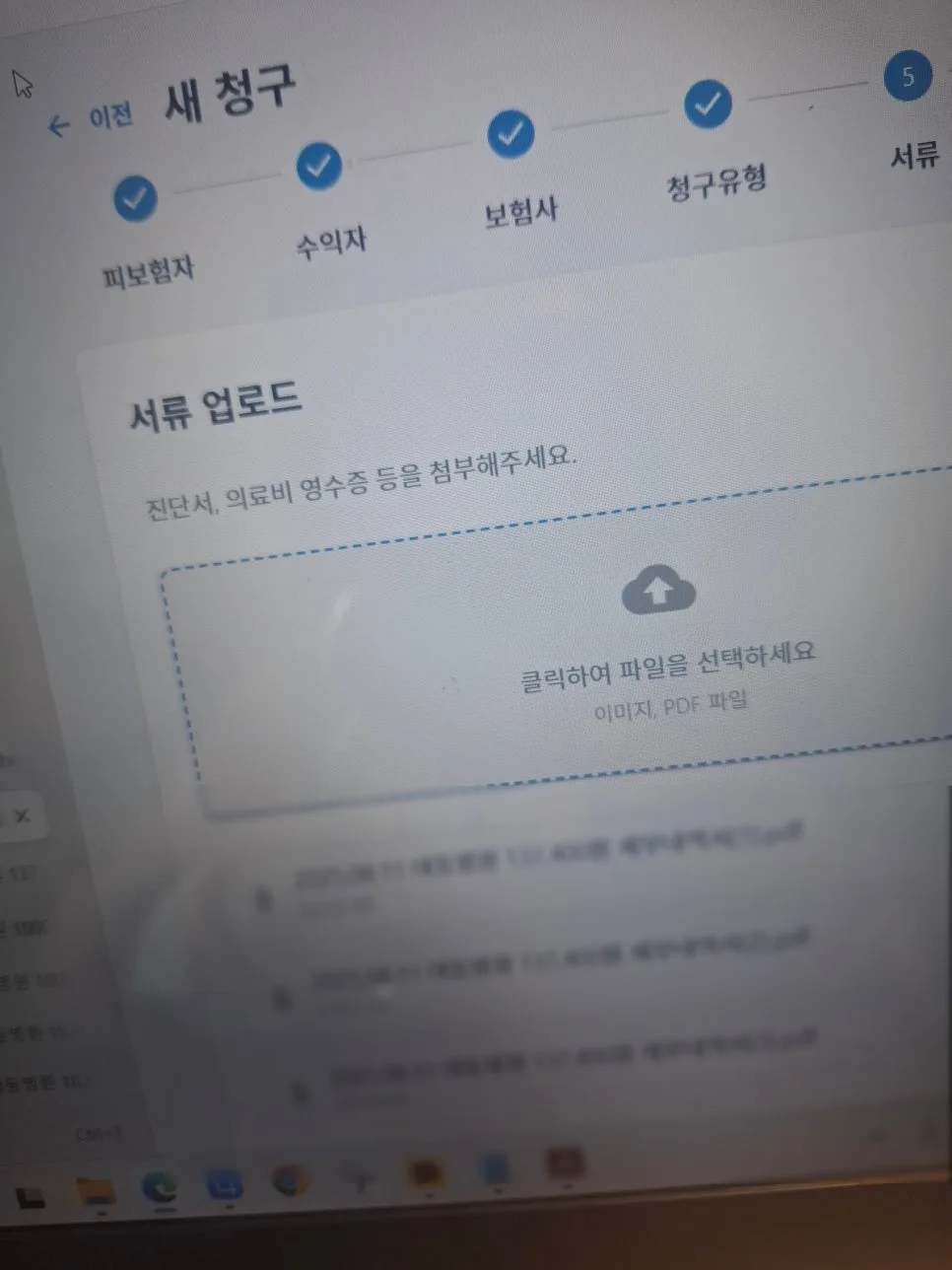
AI technology is a powerful ally for insurance agents, significantly boosting operational efficiency. AI-driven data analysis tools can process a client's historical insurance data, health status, and financial situation to predict potential risks and recommend the most suitable insurance policies. For example, AI can help identify clients who might benefit from a low-cost driver's insurance policy, which can provide substantial benefits, like over $20,000 in coverage for a monthly premium of around $7-$8. Furthermore, AI chatbots can handle routine customer inquiries 24/7, freeing up agents to focus on more complex and specialized consultations. Integrating these insights allows for more personalized and effective client service, benefiting both the client and the agent.
Where Does an Insurance Agent's Competitive Edge Come From in the AI Era?
While AI can automate tasks like product recommendations and data analysis, the core competitive edge for insurance agents lies in building deep client relationships, demonstrating empathy, and communicating with genuine sincerity. My 11 years of experience have provided insights that AI cannot easily replicate. For example, when a client decides against purchasing a policy due to concerns about potential losses, I respect their decision and listen to understand their reasoning. My role is to help them prepare according to their comfort level, not just push for a sale. Similarly, advising young couples on insurance that accounts for future child support benefits, based on their life stage, is a nuanced service that AI struggles to match. By acting as a trusted advisor and a supportive presence, agents can build the confidence and loyalty that AI alone cannot foster.
What Are the Key Considerations When Using AI in Insurance Sales?
Effectively integrating AI into insurance sales requires careful consideration. Firstly, AI-generated data and analyses should be treated as supplementary resources; the final decisions must always rest on the agent's professional judgment and experience. AI models are based on past data and may not fully account for unforeseen circumstances or unique individual situations. Secondly, while online marketing is valuable, consistently following up with leads provided by the company is crucial. Direct communication is essential for building trust, as online channels alone may not be sufficient to reach potential clients. Lastly, agents must prioritize data privacy and security when using AI tools. Handling sensitive client information demands strict adherence to regulations and the use of secure systems. By keeping these points in mind, agents can enhance their efficiency and professionalism with AI.
For more details, check the original source below.