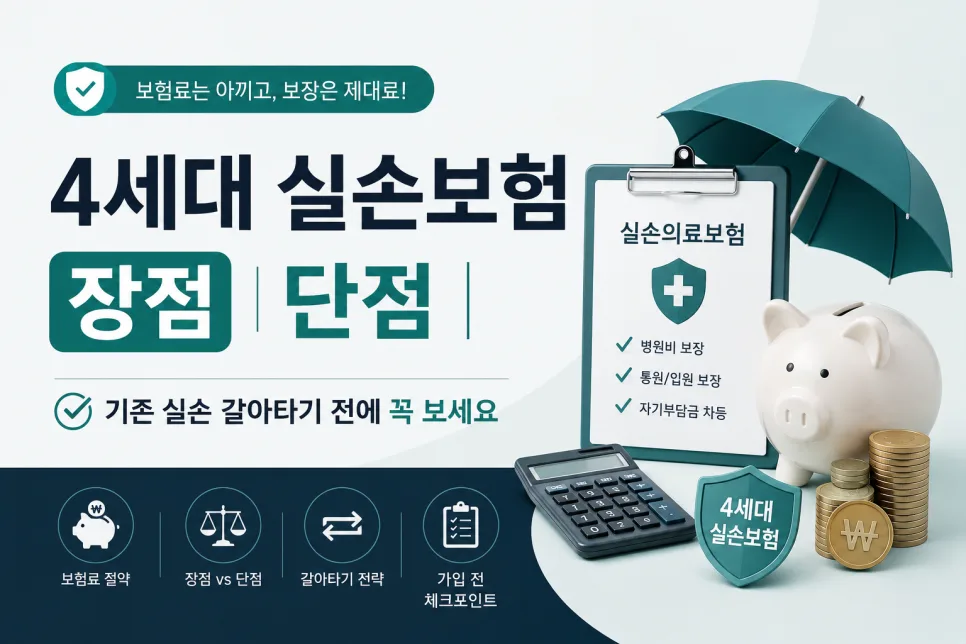

The 4th generation of South Korea's comprehensive health insurance offers lower initial premiums, making it attractive for individuals with infrequent medical visits or those seeking to reduce their insurance costs. However, it introduces a tiered co-payment system for non-essential medical services, which can significantly increase out-of-pocket expenses for frequent users. This guide breaks down the benefits and drawbacks to help you decide if switching is the right move for your financial and health needs in 2026.
Why Was the 4th Generation Korean Health Insurance Introduced?
South Korea's previous generations of health insurance faced escalating costs due to overutilization of non-essential medical services, particularly in areas like physical therapy and MRIs. To address this, the government revamped the system to implement a tiered premium structure based on the frequency of non-essential medical claims. The 4th generation insurance aims to curb 'medical shopping' and ensure the long-term sustainability of the insurance system. Data from the Korea Insurance Research Institute suggests that the introduction of the 4th generation plan has indeed led to a decrease in the utilization of non-essential medical services among policyholders.
What Are the Main Advantages of 4th Gen Korean Health Insurance?
The most significant advantage of the 4th generation plan is its relatively lower initial premium. This is particularly beneficial for younger policyholders or those who visit the doctor infrequently, as they can experience substantial savings compared to older plans. For instance, many policyholders who switched to the 4th generation plan have reported a monthly premium reduction of over 10%. For individuals who rarely use non-essential medical services, this plan offers a more cost-effective solution with a reduced risk of premium increases. Additionally, the clearer distinction between essential (covered) and non-essential (tiered co-payment) services can make the coverage easier to understand.
What Are the Disadvantages and Considerations for 4th Gen Korean Health Insurance?
The primary drawback of the 4th generation plan is the potential for significantly higher out-of-pocket costs and premium increases if you frequently utilize non-essential medical services. Services like physical therapy, specialized injections, or MRIs, which fall under the non-essential category, now have a higher co-payment rate (around 30%) compared to the 10-20% seen in older plans. This means frequent users could end up paying substantially more than they would have with previous policies. It's also crucial to understand that once you cancel an older, more comprehensive plan, it's often difficult or impossible to regain those specific benefits, as newer policies may have less favorable terms. Therefore, a hasty decision based solely on lower initial premiums can lead to long-term financial disadvantages.
What Factors Should You Consider When Keeping or Changing Your Existing Korean Health Insurance?
Existing policyholders should carefully analyze their personal medical utilization patterns and budget before switching to the 4th generation plan. If you frequently visit doctors or utilize a high volume of non-essential medical services, maintaining your current plan, especially if it's from the 1st or 2nd generation, might be more financially prudent due to its more favorable co-payment structure. These older plans often offer superior coverage that is difficult to replicate in newer policies. Simply comparing monthly premiums without considering the long-term coverage benefits and your individual health needs can lead to regret. Consulting with a financial advisor specializing in insurance is recommended to make an informed decision tailored to your specific circumstances.
Learn more about the differences between Korean health insurance generations and strategies for 2026.