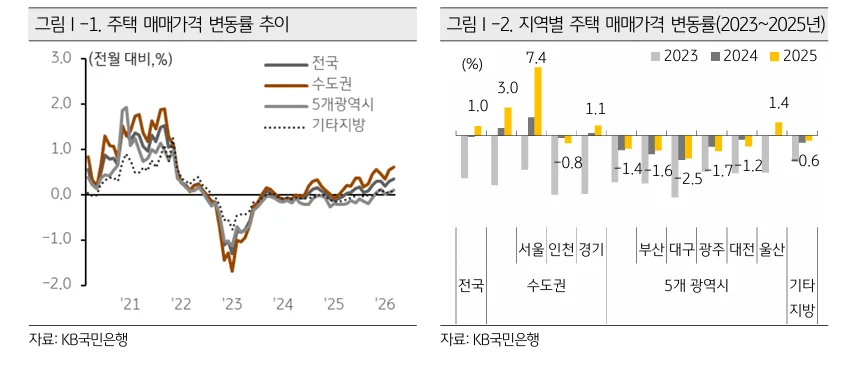
Will apartment prices rise or fall in 2026? Based on analysis of market trends, the US apartment market is expected to see increased polarization between regions, with selective investment opportunities emerging. Factors like supply shortages and demand for new construction will influence price appreciation, while government regulations and rising interest rates could exert downward pressure.
What's Driving the US Apartment Market in 2026?
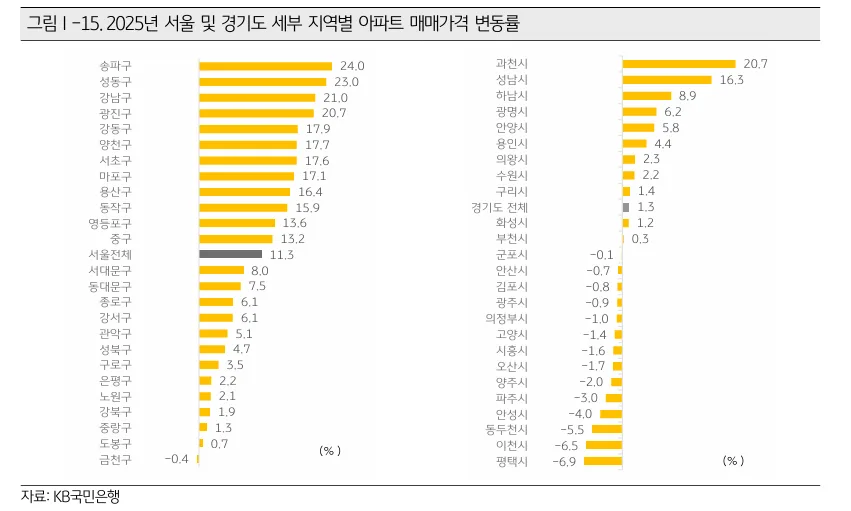
The US apartment market in 2025 saw significant price appreciation, particularly in prime urban centers and desirable suburbs. Areas with strong job markets and limited housing inventory experienced the most substantial gains. However, as we move into 2026, a shift in market dynamics is anticipated. Potential government policy changes, including adjustments to lending standards and tax incentives, alongside the persistent impact of interest rates on affordability, are expected to moderate price growth. Some previously overheated markets may see a stabilization or even a slight decrease in prices, while areas with strong underlying demand and limited new supply could continue to see modest gains. This evolving landscape requires a nuanced approach for both buyers and investors.
How Are Buyer Demographics and Preferences Changing?
A notable trend in the current apartment market is the increasing participation of younger buyers, particularly those under 40. This demographic is actively seeking well-located properties, often moving from outlying areas into more central urban cores for better access to amenities and job opportunities. The desire for improved living environments is a key driver, with many buyers prioritizing proximity to transit, cultural hubs, and quality schools. Furthermore, the preference for new construction remains strong. Buyers are drawn to modern amenities, energy-efficient designs, and the perceived lower maintenance associated with newer buildings. This sustained demand for new apartments, coupled with ongoing supply constraints in many desirable areas, continues to support their value and appeal in the market.
Impact of Apartment Supply Shortages and the Rise of Renting
A significant factor shaping the apartment market is the ongoing shortage of new construction. Years of underbuilding, coupled with rising construction costs and zoning challenges in many desirable metropolitan areas, have led to a constrained supply of new apartments. This imbalance between supply and demand is a primary driver of price appreciation in high-demand locations. Concurrently, the rental market is experiencing a notable shift. The proportion of renters opting for month-to-month or longer-term leases over traditional fixed-term leases is increasing. This trend is influenced by factors such as the rising cost of homeownership, increased flexibility desired by a mobile workforce, and landlords adapting their strategies. This growing preference for renting, especially in urban centers, could impact long-term ownership trends and investment strategies.
2026 US Apartment Market Outlook: Key Takeaways for Investors
The 2026 US apartment market is poised for a period of selective growth and regional divergence. While overall price increases may moderate, opportunities will exist for well-informed investors. Key factors to monitor include local economic growth, job creation, interest rate movements, and government housing policies. Understanding the specific dynamics of individual markets, from supply levels to buyer demographics, will be crucial for making sound investment decisions. It is advisable to conduct thorough due diligence and consider consulting with real estate professionals and financial advisors to navigate this evolving market effectively. This is not financial advice. Consult a licensed financial advisor.
For more details, check the original source below.