Dreaming of a hair color transformation? Multitone hair dyeing uses a harmonious blend of multiple shades to express your unique personality. This guide covers how to achieve stunning color combinations and maintain your vibrant new look, drawing from personal experience and expert insights.
What is Multitone Hair Dyeing and Why Is It So Popular?
Multitone hair dyeing isn't about sticking to just one shade; it's a technique that artfully combines two or more distinct colors to create a unique and multi-dimensional hairstyle. Think of it like a watercolor painting for your hair, where various hues blend seamlessly to add visual richness and vibrancy. This approach injects a special flair into otherwise simple styles, making it incredibly popular among individuals seeking to express their unique personalities. It adds a depth and volume that a single color can't achieve, allowing your hair to showcase a different charm depending on its movement and how light hits it. Personally, my hair has looked so much fuller and more lively since I embraced multitone dyeing.
How to Find the Right Multitone Hair Color Combination for You
The biggest draw of multitone hair dyeing is the endless array of style possibilities. You can freely choose color combinations to match your personal taste and desired vibe. For instance, you could mix soft blonde and khaki brown shades for a gentle ombre effect, or boldly combine reds and purples for a vibrant festival look. Identifying a color palette that suits you is key. Generally, cool-toned complexions pair well with cooler shades like cool beige, ash brown, or grayish-brown. Warm-toned complexions often look best with warmer hues such as golden brown, honey blonde, or copper tones. These combinations allow you to distinctly showcase your individuality. I initially consulted with a professional to find shades that complemented my personal color, and the results were incredibly satisfying.
How to Minimize Hair Damage and Maintain Multitone Hair Dyeing?
Before diving into multitone dyeing, there are a few crucial points to consider. The most important factor is your hair's health. The most ideal dyeing results come from healthy, elastic hair, making consistent hair care essential. It's highly recommended to use high-quality hair treatments or masks for ample moisture and nourishment both before and after dyeing. Since multiple colors are involved, carefully consider how well each shade will harmonize with the others; a hasty combination can look unnatural. If you're transitioning from a dark to a lighter color, bleaching might be necessary, which can cause hair damage. Therefore, it's vital to consult with a professional and make a well-informed decision. In my experience, I've noticed that focusing on protein treatments after bleaching significantly reduces damage.
Should You Go to a Professional for Multitone Hair Dyeing, or Can You Do It at Home?
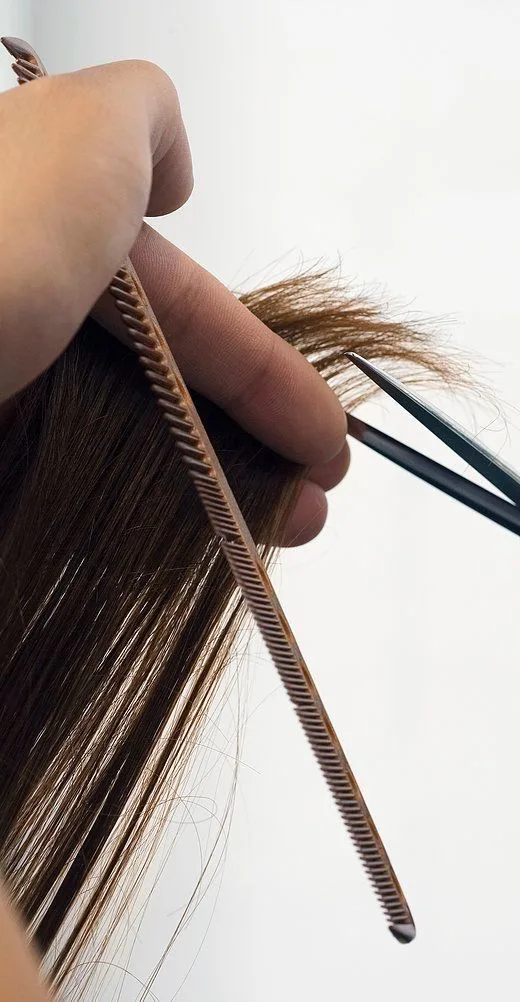
Because multitone dyeing requires precise blending of various colors, seeking assistance from a skilled professional is advisable for your first attempt. A hair designer can assess your hair condition, skin tone, and face shape to suggest the optimal color combinations and designs. Especially for intricate patterns or when bleaching is involved, a professional's delicate technique greatly impacts the final outcome. However, if you understand the basic principles of multitone dyeing and are aiming for simple color combinations, you can certainly try it at home. Keep in mind that DIY dyeing might result in uneven color or unexpected shades, so thorough research and preparation are necessary. After dyeing, using color-specific shampoos and conditioners helps minimize fading, and consistent use of treatments is crucial for maintaining hair health. While I initially relied on a professional, I now manage simple touch-ups and accent colors at home.
If you're looking to express your unique style and bring new vitality into your daily life, multitone hair dyeing is a highly effective method. Embrace your individuality with a harmonious blend of colors.