Musinsa's marketing strategy centers on leveraging offline experiences to boost brand loyalty and maximize online conversions, building upon its dominant position in the online fashion market. This approach is set to become even more crucial in 2026.
- Musinsa is expanding offline to deepen brand loyalty and offer unique customer experiences.
- Offline stores act as a tool to convert visitors into online members, reducing customer acquisition costs.
- Pop-up stores encourage user-generated content (UGC), creating viral marketing effects.
- Location selection for pop-ups is strategic, aiming for synergy with brand image.
Based on the original Korean blog post and linked source page, translated and summarized by BackToLink for global discovery.
Why is Musinsa Expanding Offline Despite Being an Online Leader?
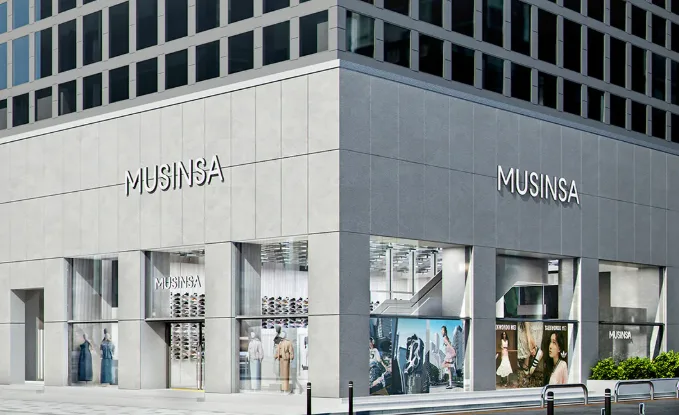
Despite achieving over 4 trillion KRW (approx. $3 billion USD) in annual transactions and dominating the Korean online fashion scene, Musinsa is aggressively expanding its physical presence. Starting with the Musinsa Standard store in Hongdae in 2022, they've opened locations in Seongsu, Gangnam, and Busan, alongside dozens of annual pop-up stores. This isn't just about adding more real estate; it's a calculated strategy to overcome the inherent limitations of an online-only platform and cultivate deeper loyalty to the 'Musinsa' brand itself. In an era where consumers prioritize brand experience over mere price and convenience, Musinsa is transforming its offline spaces from simple retail points into crucial channels for experiencing brand value and forging strong customer connections. For small businesses, creating a unique in-store experience is vital to stand out beyond just being another option on a delivery app or search portal.
How Does Musinsa's Offline Strategy Enhance Brand Loyalty?
A significant weakness of online platforms is that customers often recognize the brands sold on them before the platform itself. For instance, a Nike fan might think of 'Nike' before 'Musinsa,' creating a risk of customer defection to other platforms. Musinsa aims to counter this by making its offline spaces a sensory experience of 'Musinsa-ness.' Stores like Musinsa Standard are more than just places to buy products; they embody Musinsa's street fashion aesthetic, curated styling, and unique atmosphere, leaving a lasting impression of the brand. This experience transforms casual shoppers into dedicated brand enthusiasts. For small businesses, the key is to make the in-store experience itself memorable, conveying the brand's unique value beyond just transactional interactions.
How Do Offline Stores Serve as Powerful Tools for Online Conversion?
A cornerstone of Musinsa's offline strategy is effectively driving visitors to its online platform. QR codes strategically placed throughout stores guide customers to product pages, encourage app downloads, and promote membership benefits, creating a seamless transition from offline visitor to online member. This approach positions offline spaces not just as revenue generators, but as powerful marketing channels that reduce customer acquisition costs (CAC) and boost online conversion rates. Musinsa's pop-up store visitors reportedly show a 3-4 times higher online conversion rate compared to those acquired through traditional advertising, justifying the investment. Small businesses can adopt similar tactics by connecting offline customers to online channels like social media, KakaoTalk channels, or Naver Place. Offering incentives such as a 10% discount for adding a KakaoTalk channel or a service reward for posting store photos on Instagram can help convert offline experiences into valuable digital assets.

How Do Pop-Up Stores Become Bases for Content Creation?
Musinsa's pop-up stores function as potent content creation hubs, generating significant viral effects on social media. Visitors are naturally inclined to photograph and share the unique interiors, photo zones, limited-edition products, and interactive elements on platforms like Instagram. Furthermore, YouTubers and fashion influencers create vlogs and haul videos from these pop-ups, providing Musinsa with a vast amount of user-generated content (UGC). This organic content is far more effective than traditional advertising for building brand awareness. The secret to fostering this UGC is designing pop-up spaces that are inherently 'Instagrammable' and engaging. Unique wall designs, signature displays, and participatory events turn the visit itself into content. Small businesses can benefit by creating at least one 'photogenic point' within their store that encourages customers to take and share photos.
What is the Strategic Significance of Musinsa's Pop-Up Store Location Selection?
When choosing pop-up locations, Musinsa looks beyond mere foot traffic, strategically selecting areas that create synergy with its brand image. Trendy neighborhoods like Seongsu-dong, Hongdae, and Garosu-gil in Seoul are popular not only for their high MZ generation footfall and viral potential but also because hosting a pop-up there inherently reinforces the brand's trendiness or premium status. For example, a Seongsu pop-up might convey a 'trendy brand' image, while one in Garosu-gil could suggest a 'premium brand.' Location thus becomes a crucial tool for brand positioning. Therefore, site selection should prioritize alignment with the brand's values and image over just rent or visitor numbers. Ultimately, Musinsa's offline strategy is about designing an integrated online-offline customer journey that offers 'experiences unavailable online,' drawing customers offline and then reconnecting them to the online platform through those experiences.
For more details, check the original source below.