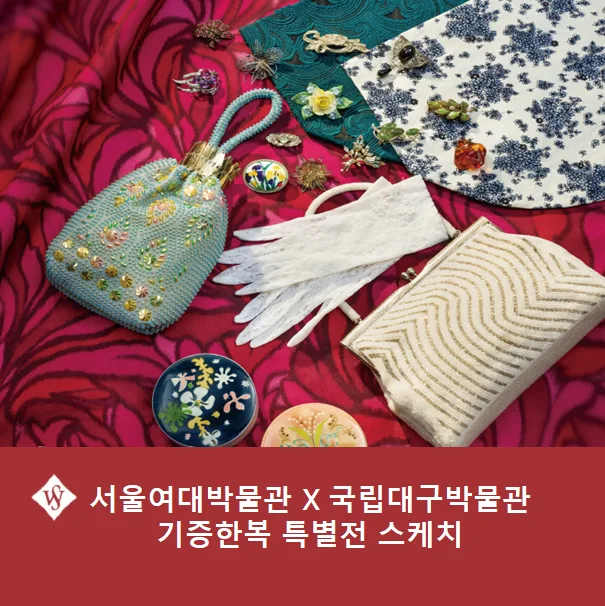
This special exhibition, running from May 18 to August 31, 2026, is a joint project by Seoul Women's University Museum and the Daegu National Museum, exploring the transformation and beauty of women's Hanbok during the 1960s and 1970s through five distinct sections.
How Did Women's Hanbok Evolve in the 1960s-70s?
The 1960s and 1970s marked a significant turning point in Korean fashion. Women's Hanbok shifted from everyday wear to attire for special occasions, leading to diverse developments in design and materials. The burgeoning 'party' culture, particularly among the upper classes, elevated the *chima-jeogori* (skirt and jacket) to a party wear status, prompting design adaptations for various social events. The influx of Western culture and advancements in dyeing and weaving technologies also contributed to the creation of more vibrant and diverse patterns and colors. The domestic production of polyester starting in 1968 profoundly impacted Hanbok materials, further enhancing the era's opulent aesthetic. Hanbok from this period can be understood not just as clothing, but as artistic expressions reflecting the socio-cultural currents of the time. These garments also incorporated seasonal variations, with bright colors for spring, light materials for summer, and rich fabrics like *yangdan* for autumn and winter, showcasing a distinct seasonal sensibility. Thus, 1960s-70s Hanbok evolved with the times, blossoming into a unique form of beauty.
What Criteria Guide Hanbok Exhibition Curation?
Seoul Women's University Museum typically hosts one to two special exhibitions annually, with several key criteria influencing theme selection. Firstly, the museum must possess relevant artifacts in its collection. Secondly, the proposed theme needs to be novel and engaging for visitors. Thirdly, timeliness, meaning the relevance to contemporary societal interests and issues, is crucial. These factors are thoroughly evaluated by the museum's curatorial staff before a final decision is made. The recent focus on clothing exhibitions over the past three years is closely linked to the fact that the museum's director, Song Mi-kyung, is a professor in the Fashion Industry Department, and a substantial portion of the museum's donated artifacts are textiles and clothing. Leveraging this rich collection of apparel, this year's exhibition specifically highlights donated Hanbok pieces, showcasing the synergy between the museum's collection, the expertise of its curators, and an awareness of current trends to provide a meaningful visitor experience.
What Are the Key Characteristics of 1960s-70s Hanbok?
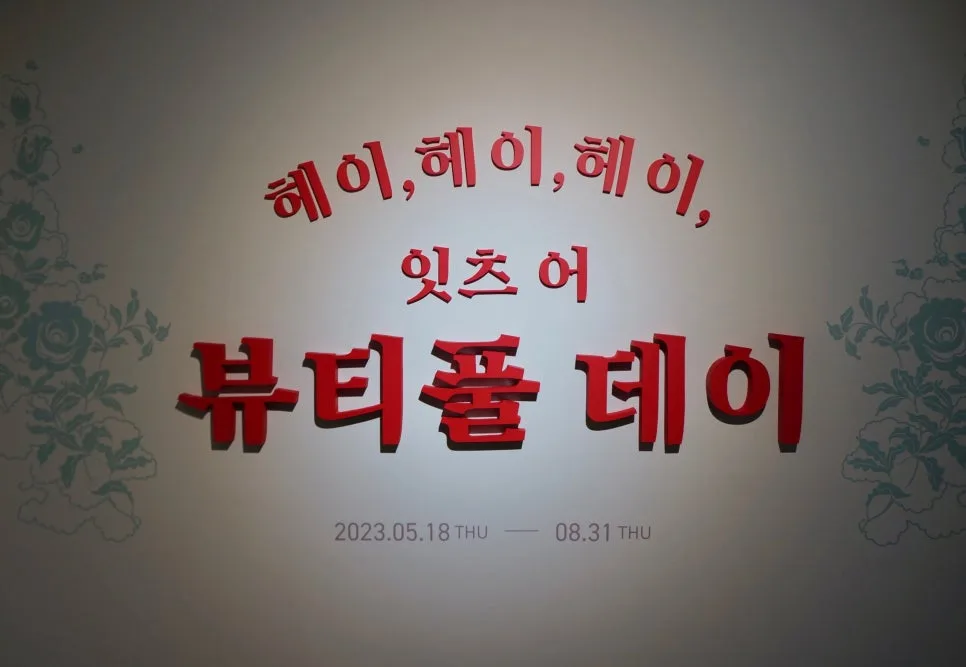
Hanbok from the 1960s and 1970s exhibits distinct features compared to earlier periods, most notably in the diversification of materials and modernization of designs. The introduction of synthetic fibers like polyester increased the wearability and ease of care for Hanbok. Western cultural influences also led to the incorporation of silhouettes and design elements similar to Western clothing. Section 1, 'Chima-Jeogori Becomes a Dress,' vividly illustrates this shift, showing how the *chima-jeogori* was adapted as a dress for social gatherings among the elite, leading to more elaborate and sophisticated designs. Section 2, 'New-Style Hanbok: Vibrant Patterns and Colors,' highlights the diverse color palettes and unique patterns born from advancements in dyeing and weaving technologies, alongside the influence of Western goods. Section 5, 'Beautiful Day,' offers a glimpse into the era's aesthetic sensibilities through exquisite brooches and accessories that completed the Hanbok ensemble. These characteristics demonstrate how 1960s-70s Hanbok evolved beyond traditional attire into fashion items reflecting the culture and aesthetics of their time.
What Should Visitors Keep in Mind During the Hanbok Exhibition?
To fully appreciate the 1960s-70s Hanbok special exhibition, visitors should note a few points. Firstly, the exhibited artifacts are precious cultural assets; therefore, touching or damaging them must be avoided. It is important to follow the designated viewing path as guided by staff and maintain an appropriate distance from the exhibits. Secondly, supplementary materials like videos and audio guides are available to enhance understanding of the historical context and clothing culture of the era. Utilizing these resources, particularly the 'Our Fabrics' video from the Korea Policy Broadcasting Center in Section 3, 'Hanbok: The Polyester Era,' offers a vivid look into the period. Thirdly, it is essential to check the exhibition dates and operating hours in advance. As the exhibition runs from May 18 to August 31, 2026, confirming the exact opening times and any potential closures via the museum's official website is crucial. By keeping these guidelines in mind, visitors can gain a deeper appreciation for the beauty of 1960s-70s Hanbok and the stories embedded within them.
English crawl path
Next English reads from this pilot cluster
Continue through the category hub, latest English stories, and related posts so this translated article is not an isolated URL.
Tags
💬Frequently Asked Questions
When does the 1960s-70s Hanbok exhibition end?
What is the focus of this Hanbok exhibition?
How does Seoul Women's University Museum select exhibition themes?
English discovery path
Explore more English K-culture stories
Keep browsing the indexed English pilot cluster so Google and readers can move between this story, the category hub, and fresh discovery pages.
Original Source
Read the Korean original