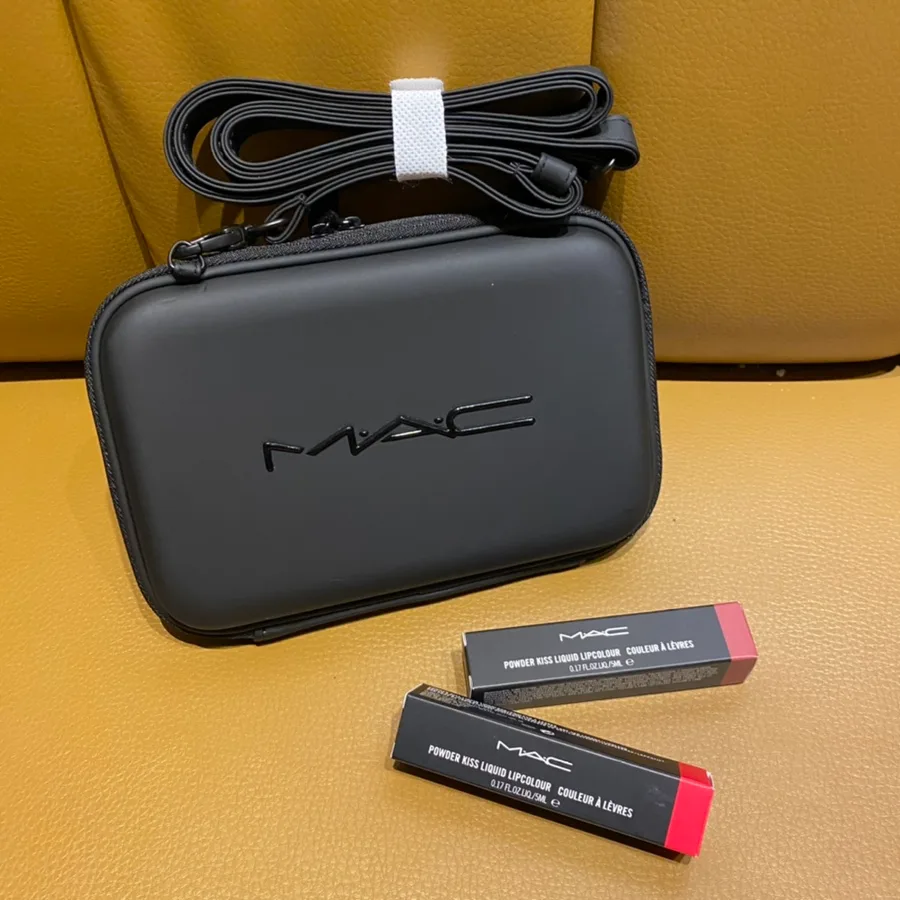

Does paying more for skincare automatically mean better results? It's a common question for consumers, but the reality is that a higher price tag doesn't guarantee superior effectiveness. The relationship between a cosmetic's cost and its actual performance is complex, influenced by brand reputation, ingredient quality, usage duration, and individual skin types.
Expensive Skincare: How Brand Value and Marketing Drive Up Prices

Luxury cosmetic brands often command premium prices, but this isn't solely due to their ingredients or efficacy. Significant investments in building brand image and sophisticated marketing campaigns contribute heavily to the cost. Consumers end up purchasing not just the product itself, but also the psychological satisfaction and aspirational value associated with the brand. High-end marketing can effectively stimulate consumer expectations, sometimes leading to greater perceived satisfaction than the product's actual performance might warrant. However, it's crucial to understand that this brand value doesn't directly translate to better skin improvement.
High-End Skincare Ingredients: How Much Do They Really Help Skin?
It's true that premium skincare products often feature advanced formulations. Many luxury items incorporate natural extracts, rare botanical ingredients, or potent, high-performance compounds derived from cutting-edge technology. These sophisticated ingredients have the potential to offer specific benefits like skin soothing, deep hydration, and antioxidant protection. For instance, certain peptides or fermented essences might aid in improving skin elasticity. However, these ingredients don't perform identically for everyone. The effectiveness can vary significantly based on an individual's skin type, sensitivity, and existing skin condition. In some cases, potent ingredients might even cause irritation.
Skincare Effectiveness: Why Consistency and Your Skin Type Matter Most
Experiencing the true benefits of skincare requires consistent application. Most products don't deliver noticeable changes with short-term use. Considering the skin's natural regeneration cycle and ingredient absorption rates, it typically takes several weeks to a few months of regular use to see tangible improvements. Therefore, even expensive products are more likely to yield better results when used diligently over time. This, of course, assumes the user can maintain consistent application without financial strain. Furthermore, individual factors like skin type, genetics, lifestyle habits, and environmental influences play a significant role in how well a product performs. For example, using a rich, emollient cream on oily skin could potentially exacerbate breakouts.
Smart Skincare Choices: What to Consider Beyond Price
Ultimately, expensive skincare doesn't automatically guarantee better results for all users. When selecting cosmetics, prioritizing your individual skin type and concerns over price is essential. Carefully examine ingredient lists to identify beneficial components and avoid potential irritants. Testing products through samples or small purchases is a wise approach to see how they suit your skin. Choosing products you can consistently use and finding effective options within a reasonable price range is often more beneficial for long-term skin health. Since everyone's skin is unique, consulting with a skincare professional for personalized advice is highly recommended.
For more details on choosing skincare wisely, check the original source below.