Personal color analysis is a key diagnostic method that helps boost confidence and improve image by finding the optimal colors that harmonize with an individual's unique natural coloring. In 2026, its importance will continue to grow across fashion, beauty, and lifestyle sectors, helping Americans discover their most flattering hues.
What Are the Best Colors for Me? The Basic Principles of Personal Color

Personal color analysis isn't about following trends; it's a scientific approach to finding 'your color' that harmonizes with your innate coloring, making your complexion appear brighter and healthier. Everyone has unique skin undertones, hair color, and eye color, and subtle differences in these characteristics determine which colors suit them best. These are broadly categorized into four seasons (Spring, Summer, Autumn, Winter), with each season further divided into specific tones. For instance, Spring Warm tones typically look great in bright, cheerful colors, while Winter Cool tones are best suited for vivid, cool-toned shades. Knowing your personal color can significantly reduce guesswork when choosing clothes or cosmetics, leading to a more vibrant and attractive image. Many individuals report a significant boost in self-confidence after undergoing a personal color analysis.
Personal Color Analysis: How Is It Done? The Expert's Role and Process
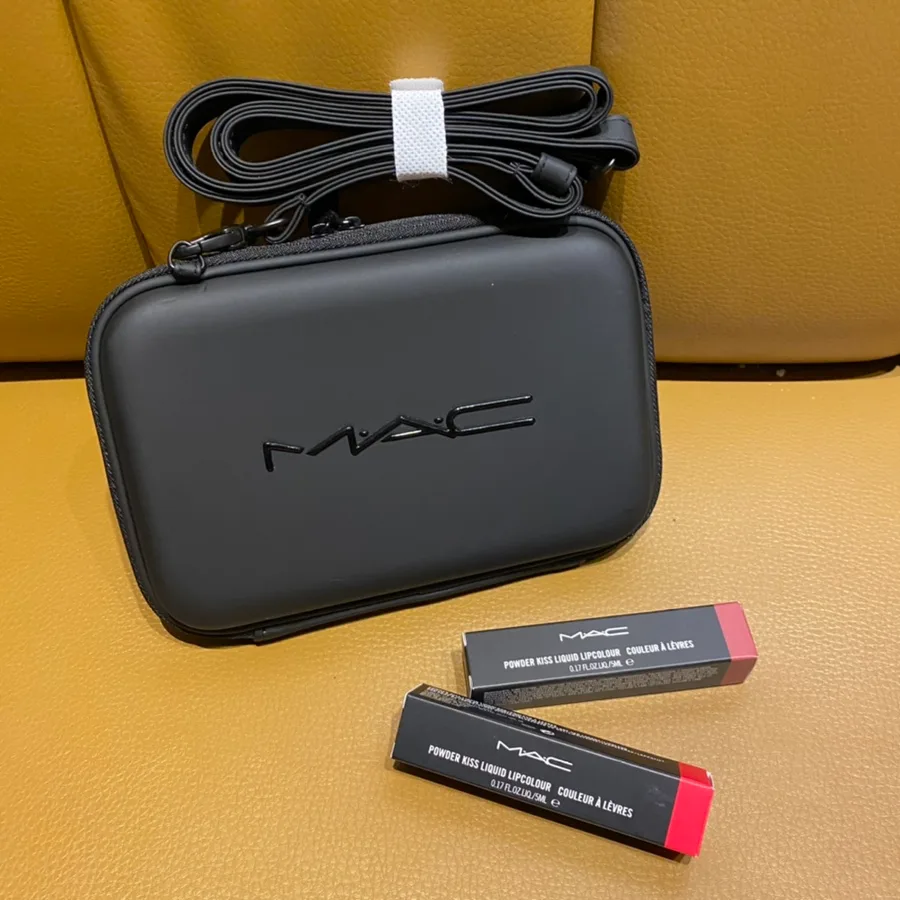
Personal color analysis is typically conducted by a professional color consultant who has undergone specialized training. During the session, various colored drapes or swatches are held near the face to objectively identify the colors that best harmonize with the individual's skin tone, complexion, eye color, and hair color. This process goes beyond simply finding 'pretty colors' and connects with personal image consulting. Based on the analysis, you'll receive specific guidelines on which clothing colors make your face appear brighter and more lively, and which makeup tones look natural and sophisticated. This information is invaluable for making fashion and beauty product choices, forming the foundation for confident self-expression. Many US retailers like Ulta Beauty and Sephora offer a wide range of makeup products that cater to different personal color types.
Beyond Fashion and Beauty: The Expanded Applications of Personal Color
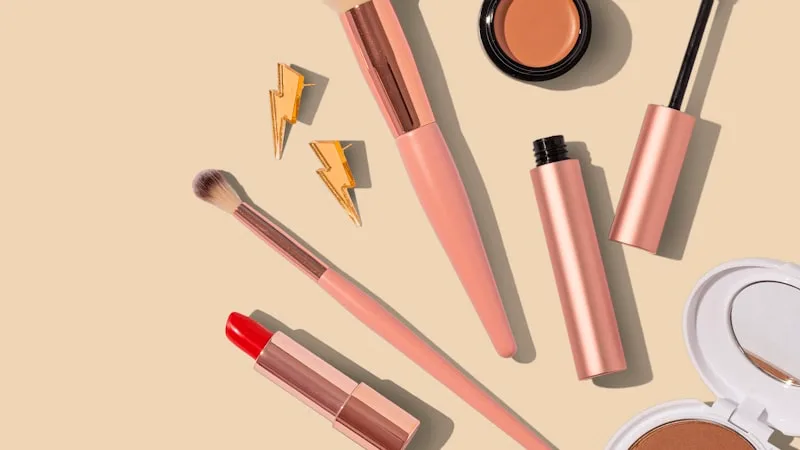
The influence of personal color extends beyond just fashion and beauty. Accurately understanding your personal color allows you to quickly select the most flattering items from countless options when shopping for clothes, saving time and reducing the number of unworn garments in your closet. In makeup, choosing lipstick, eyeshadow, and blush shades that match your personal color can create a more harmonious and refined look. Furthermore, personal color serves as a crucial guide for choosing hair dye colors and accessories. By utilizing colors that suit you, you can enhance the overall completeness of your style and make a positive, consistent impression on others. This makes it easier to find brands that align with your aesthetic, whether shopping at stores like Target or online on Amazon.
Are Personal Colors Also Used by Brands and Corporations?
Increasingly, beyond personal image management, brands and corporations are strategically utilizing personal color analysis. For example, they might analyze the personal colors of their target demographic to inform decisions about product packaging design or advertising campaign color schemes. By understanding consumers' potential color preferences and presenting suitable options, they can foster positive brand perception and potentially increase conversion rates. Additionally, the principles of personal color can be applied to corporate uniform design or interior spaces to enhance employee belonging and satisfaction. Thus, personal color offers valuable insights not only for improving personal quality of life but also from a business perspective.
What Should I Be Cautious About When Using Personal Color?
While personal color analysis is highly useful, it's best to use it as a reference rather than an absolute rule. Since the analysis is based on your natural coloring, it's important to experiment with various shades within your flattering color palette rather than strictly forbidding or mandating certain colors. Your preferred colors may also change with seasons, situations, or personal taste, so a flexible approach is needed to develop your unique style based on the analysis results. Sometimes, even colors slightly outside your diagnosed palette can become attractive focal points if worn with confidence. Therefore, enjoy the process of discovering the colors that best suit you, guided by expert advice.
English crawl path
Next English reads from this pilot cluster
Continue through the category hub, latest English stories, and related posts so this translated article is not an isolated URL.
Tags
💬Frequently Asked Questions
What exactly is personal color?
How are personal colors classified?
Who performs personal color analysis?
What are the benefits of knowing my personal color?
English discovery path
Explore more English K-culture stories
Keep browsing the indexed English pilot cluster so Google and readers can move between this story, the category hub, and fresh discovery pages.
Original Source
Read the Korean original