Crafting a killer creative brief is the secret weapon for successful ad campaigns, and its importance is only growing in 2026. This guide breaks down how to build one, drawing from real-world experience and offering tips for leveraging AI tools. We'll cover everything from defining campaign goals to refining visual concepts, ensuring your message hits home.
- A creative brief defines ad campaign goals, target audience, core message, and visual concept.
- Key elements include clear objectives, specific targeting, concise messaging, and detailed visual guidelines.
- AI tools excel at background generation but require clear briefs for detailed adjustments.
- Focus on refining the brief itself for AI-generated mockups, rather than extensive AI editing.
- The ultimate goal of a strong brief is to minimize revisions and maximize final output quality.
Based on the original Korean blog post and linked source page, translated and summarized by BackToLink for global discovery.
What Is a Creative Brief and Why Is It Crucial for 2026 Ad Trends?
A creative brief is the foundational document that clearly outlines an advertising campaign's objectives, target audience, core message, and visual direction. It acts as a compass, ensuring that designers, copywriters, and all team members are aligned and working towards a common goal. In 2026, with the rapid advancement of AI in advertising, the need for precise and well-defined briefs is more critical than ever. My own intensive three-day experience creating a brief highlighted how detailed guidelines significantly reduce unnecessary revisions and elevate the final product's quality.
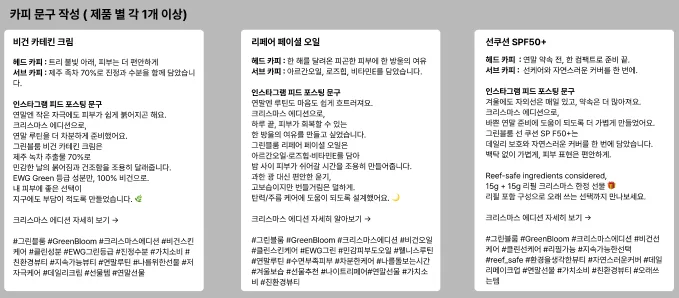
When using AI tools to generate ad mockups based on this brief, I confirmed that specific instructions lead to far more satisfactory results.
The Ultimate Creative Brief Guide for Ad Mockup Creation (2026 Edition)
To create an effective creative brief, you need to meticulously detail several key components. First, establish clear 'objectives' for your campaign and define your 'target audience' with specificity. For instance, instead of a broad description, aim for something like 'customers aged 20-35 experiencing skin concerns.' Next, articulate a concise and impactful 'core message (copy)' that resonates with this audience. Crucially, provide detailed guidance on the 'visual concept and layout,' ensuring it reflects the brand's mood and product characteristics. In my experience, including image layouts and reference object images, along with a 'production guide' that's easy for designers to understand, is vital.
Additionally, clearly stating any 'additional production requests' helps prevent unexpected errors. These detailed guidelines are also essential when utilizing AI tools for mockups.
AI-Powered Ad Mockup Creation: What Are the Possibilities in 2026?
Recent advancements in AI technology, such as tools like ChatGPT, Midjourney, and Nanobana, now enable ad mockups to be created. During my hands-on experience creating mockups for a vegan catechin cream campaign, I found that AI excels at generating background imagery but still has limitations in precisely positioning elements or adjusting composition.
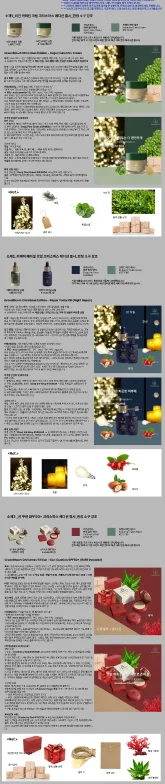
However, with a clear creative brief, AI can produce results comparable to those from a professional designer. For example, I was able to generate a mockup that conveyed a calm, authentic, and luxurious brand mood with a touch of Christmas spirit. This demonstrates that even non-designers can achieve a respectable level of quality. As AI technology continues to evolve, its role in the advertising creation process is expected to expand significantly.
Common Mistakes and Pitfalls in Creative Brief Creation (Must-Read for 2026)
When crafting a creative brief, it's important to be aware of common mistakes that can derail a campaign. Firstly, unclear objectives and poorly defined target audiences can lead to a lack of direction throughout the entire production process. Secondly, a core message that is too lengthy or ambiguous will diminish its impact. Thirdly, abstract or inconsistent visual concepts can result in a final product that lacks cohesion. My personal experience taught me that while initially thinking it best to develop separate Instagram feed copy for each product, it was ultimately more effective to unify the brand's overall mood while still highlighting each product's unique features.
Furthermore, when using AI tools, it's more efficient to focus on enhancing the clarity of the brief rather than spending excessive time on minor AI edits. By understanding and avoiding these pitfalls, you can significantly increase your campaign's chances of success.
For more details, check the original source below.