Experience traditional Korean tea ceremony (Darye) and tea snacks (Dasik) in 2026 for a deep dive into Korean culture, especially when shared with international friends. This guide covers making authentic Dasik and mastering proper tea etiquette, offering a unique cultural exchange.
How to Make Korean Tea Snacks (Dasik) for Your Friends
The journey into Korean tea culture often begins with making 'Dasik,' the delicate tea snacks. This involves mixing roasted soybean powder with honey to create a pliable dough. You then press this dough into intricate molds, transforming it into beautiful, bite-sized K-finger foods. These homemade Dasik perfectly complement the tea, enhancing its flavor and providing a delightful, healthy treat for your international friends. The hands-on process itself is a fun and engaging activity, making it a memorable part of the cultural experience.
How to Divide Host (Paengju) and Guest (Paenggaek) Roles for Tea Ceremony
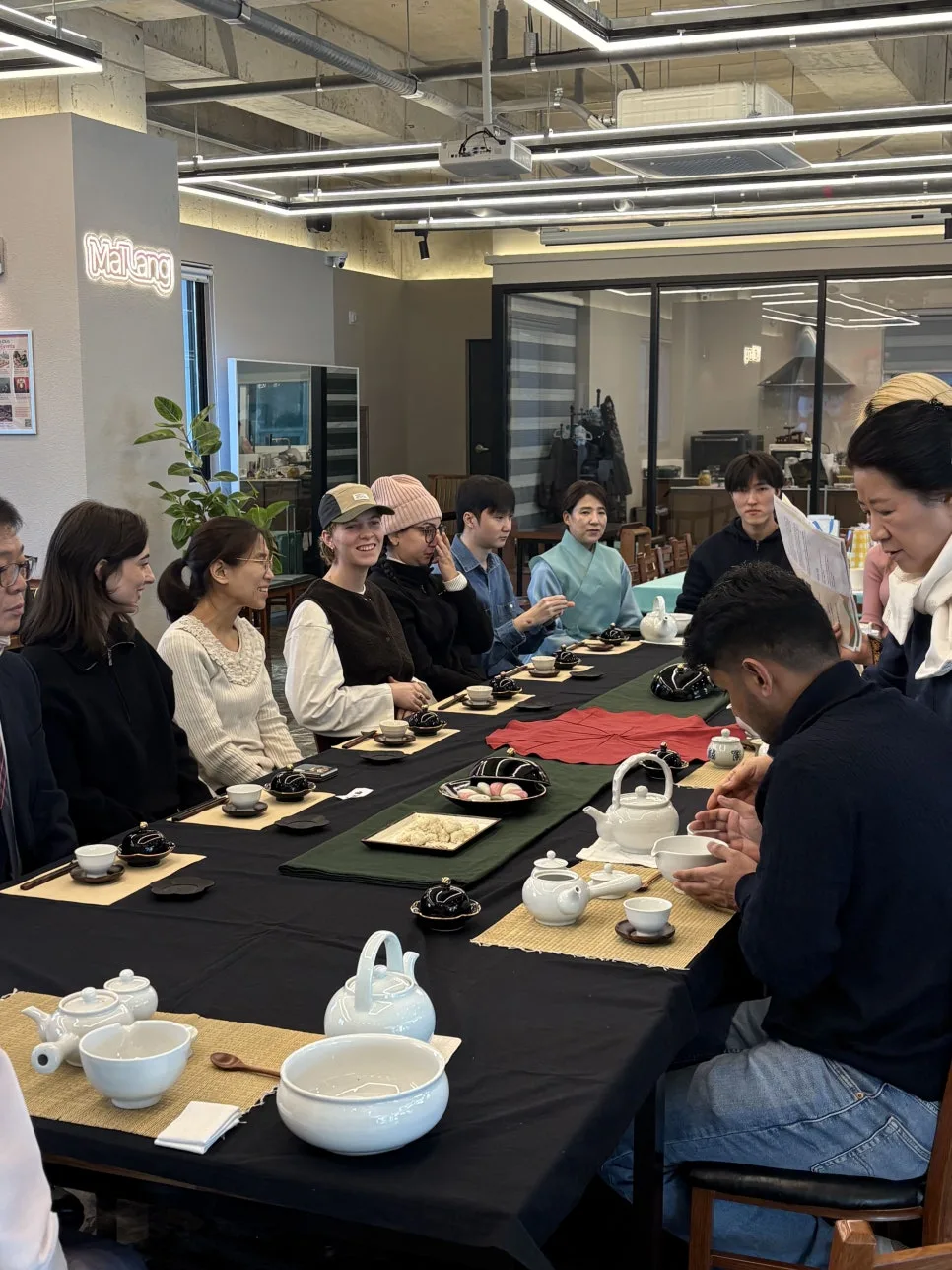
To fully immerse in the Korean tea ceremony, participants draw lots to determine roles: 'Paengju' (the host who prepares and serves the tea) and 'Paenggaek' (the guest who receives and enjoys the tea). Under the guidance of an instructor, you'll learn the correct way to steep tea, the proper pouring techniques, and the etiquette involved. For international guests, this structured interaction is a fantastic way to absorb Korean customs of respect and hospitality. The act of sharing tea, making eye contact, and offering the cup fosters a warm, cross-cultural connection. Key English phrases for this include 'Steep the tea' and 'Pour the tea gracefully.'
What's the Perfect Tea Time Pairing: Visually Stunning Dasik and Rich Tea?
Following the tea preparation, a special treat awaits: a pairing of rich Korean tea with exquisitely shaped Dasik. These aren't just any snacks; they are often artfully designed, perhaps with dried tomato slices resembling flower petals and pineapple accents for a touch of tropical sweetness. This combination is praised for its 'deep and rich aroma' and is described as being 'pleasing to the eye and the palate,' offering a multi-sensory delight that truly captures the essence of Korean aesthetics and flavor.
What Should You Keep in Mind During a Tea Ceremony and Dasik Experience?
While a Korean tea ceremony and Dasik experience offer profound cultural insights, a few points of etiquette are important. Firstly, pay close attention to the instructor's guidance on traditional manners, such as the correct direction for pouring tea and how to receive a teacup, as these reflect deep-rooted Korean customs. Secondly, Dasik are meant to complement, not overpower, the tea; consume them in moderation to fully appreciate the tea's nuanced flavors. Lastly, maintaining a calm and respectful atmosphere is crucial to fully absorb the tranquility and essence of the tea ceremony. Being mindful of these aspects will ensure a richer and more meaningful cultural immersion.
For more details, check the original source below.