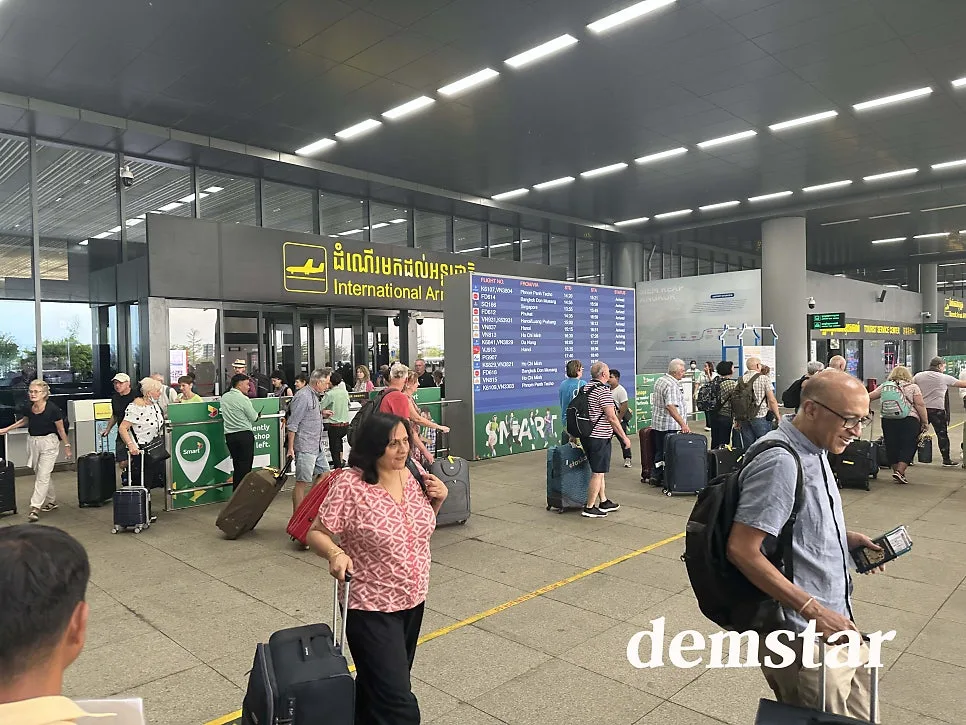
The Siem Reap Night Market in Cambodia, once a bustling hub, is now described as an 'empty shell' in 2026 due to a drastic drop in tourists. This decline is particularly evident in the absence of East Asian visitors, significantly impacting Cambodia's tourism sector.
- Siem Reap Night Market faces a severe tourist decline in 2026, with a notable absence of East Asian visitors.
- The market's scale has shrunk to about 1/3 to 1/4 of its pre-COVID-19 size.
- Full recovery is projected to take at least 5-6 years, with a return to former vibrancy uncertain.
Based on the original Korean blog post and linked source page, translated and summarized by BackToLink for global discovery.
What's Causing the Decline in East Asian Tourists at Siem Reap Night Market in 2026?
Recent experiences at the Siem Reap Night Market reveal a stark contrast to its past. Once vibrant with Korean and Chinese tourists, it's now quiet, primarily frequented by visitors from the US and Europe. Despite Cambodia's efforts, like visa exemptions for Chinese tourists, their numbers have dwindled. For Korean travelers, concerns about scam incidents and reports of border disputes have deterred visits. This sentiment is echoed by travelers who found very few Koreans or Chinese tourists even at popular sites like the Angkor temples. The market's physical size has also contracted significantly, now estimated to be only one-third to one-quarter of its pre-pandemic scale.
Cambodia's Tourism Drop: Country-Specific Trends and Outlook
Looking at the top visiting countries as of 2025, the situation is dire. Thai tourist numbers have completely ceased due to border disputes. Vietnamese visitors have also sharply declined. China's economic challenges are limiting overseas travel for its citizens. For South Korea, the aforementioned safety concerns and border dispute reports have not only impacted individual tourists but also halted mission and volunteer groups. This prolonged downturn, now in its seventh year, has lowered expectations for recovery. A return to the market's former bustling atmosphere is considered highly unlikely, with full recovery projected to take at least five to six years.
How Has Siem Reap Night Market Changed?
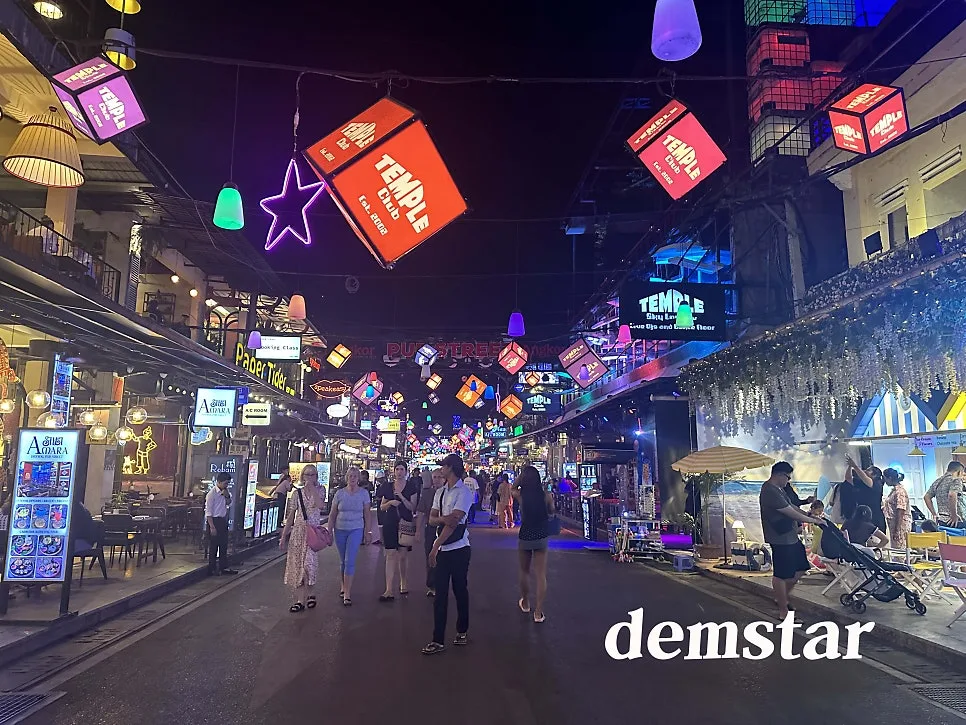
While the market still features bright neon signs, Lunar New Year decorations, and persistent shopkeepers, the actual economic activity feels sluggish. Many visitors report a lack of appealing goods or experiences, leading to a sentiment of emptiness. This isn't solely due to fewer tourists; it's also a result of changing consumer habits and a weakening local market competitiveness. Some analyses suggest that Cambodia's preferential policies for Chinese tourists might be perceived as discriminatory by visitors from other nations. Additionally, issues related to the conduct of some Chinese tourists may have created negative perceptions. These combined factors are creating significant hurdles for attracting visitors.
Realistic Challenges for Cambodia's Tourism Recovery
The current slump at the Siem Reap Night Market is widely seen not as a temporary dip, but as a prolonged period of decline. The return of Korean package tourists and independent travelers is considered nearly impossible, and even achieving 20-30% of previous visitor levels seems challenging. To overcome this, Cambodia's government needs to actively improve its tourism image, strengthen local businesses, and implement tailored strategies to attract tourists from diverse countries. Creating a safe and pleasant travel environment and addressing visitor complaints are also crucial. While individual perceptions of recovery may vary, expert analysis suggests a long road ahead.
For more details on Cambodia's tourism market, refer to the original source.