Phsar Nath, Battambang's central market, offers a vibrant glimpse into Cambodian life within a stunning Art Deco building from the French colonial era. Built in 1936, this historic landmark is a must-visit for any traveler seeking an authentic experience and a taste of local culture in a charming, unhurried city.
What is Phsar Nath Market in Battambang?
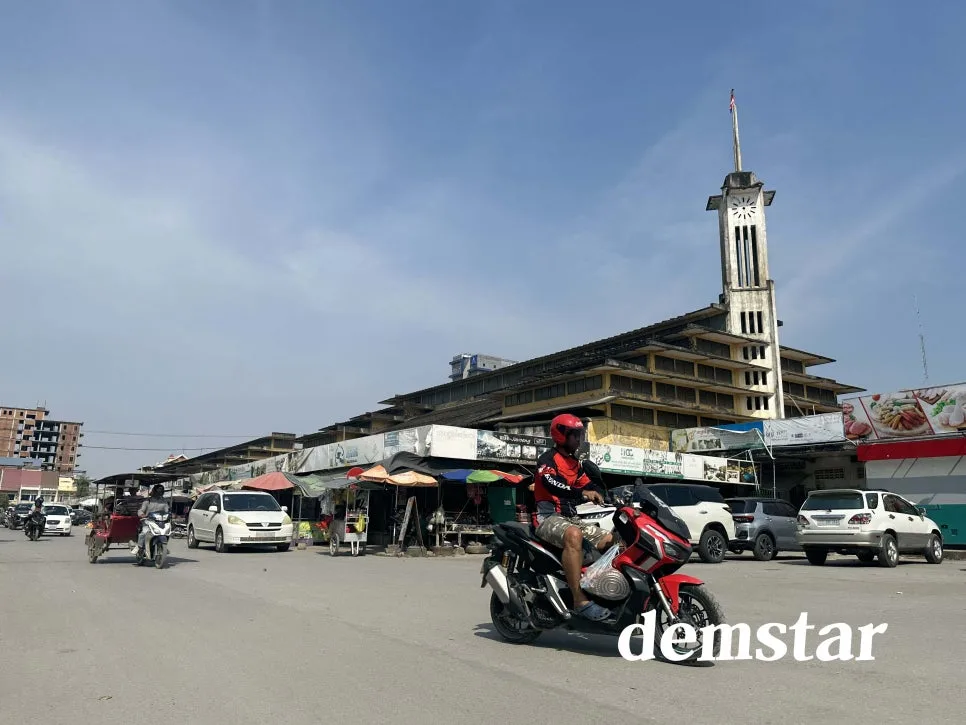
Battambang, Cambodia's second-largest city, feels like stepping back in time with its well-preserved French colonial architecture. At its heart lies Phsar Nath (Central Market), a striking Art Deco structure erected in 1936 that showcases the architectural flair of the French colonial period. While it appears multi-storied from the outside, the interior is a single, expansive level, creating a unique spatial experience. Phsar Nath is more than just a market; it's a bustling hub where the daily lives and culture of Battambang's residents unfold. It offers a distinct charm compared to the Angkor temples of Siem Reap or the busy markets of Phnom Penh, making it a signature attraction of Battambang.
What Can You Experience at Phsar Nath Market?
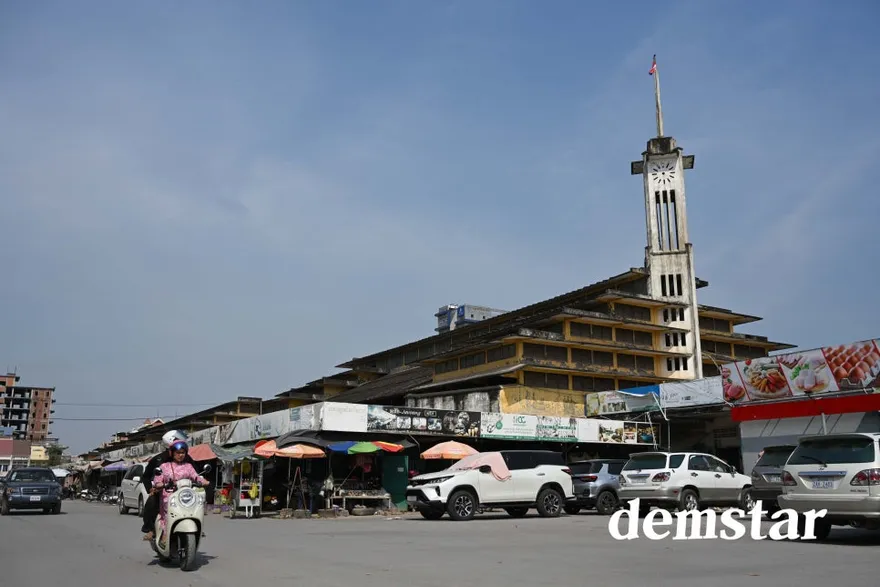
Visiting Phsar Nath Market allows you to witness the vibrant daily routines of Battambang's locals firsthand. From early morning until late afternoon, the market buzzes with activity as vendors sell fresh produce, seafood, local specialties, clothing, and household goods. As you venture deeper into the market, you'll discover an even more authentic atmosphere, complete with local street food and traditional snacks to sample. Beyond its role as a commercial center, the market provides an immersive cultural experience, offering a glimpse into a way of life that remains largely untouched by rapid modernization. For travelers seeking a peaceful and genuine experience, Battambang and Phsar Nath Market promise unforgettable memories.
How Does Phsar Nath Market Differ from Other Cambodian Markets?
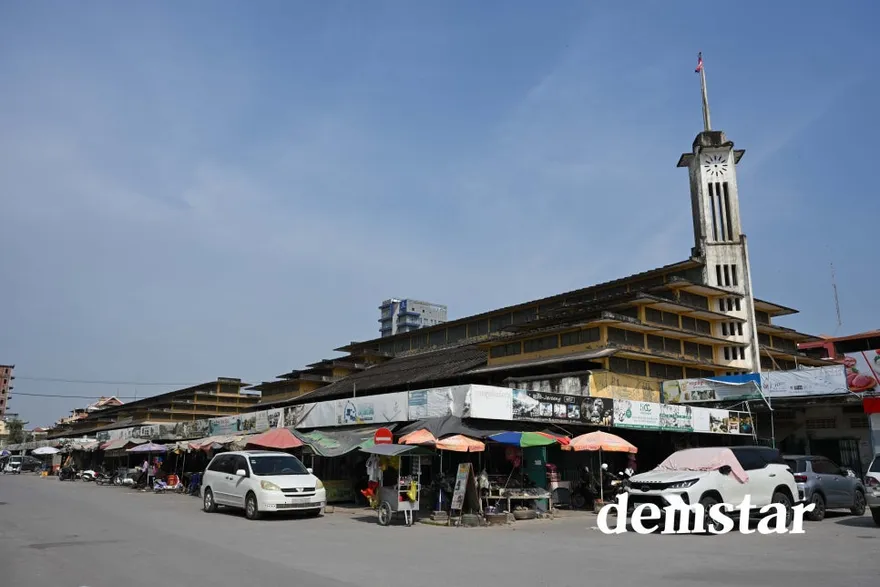
Compared to markets in other major Cambodian cities like Siem Reap's night market or Phnom Penh's Central Market, Phsar Nath stands out due to its unique historical and architectural significance. While markets in Siem Reap and Phnom Penh often focus heavily on modern commerce and tourist souvenirs, Phsar Nath remains primarily a vital center for local residents' daily needs. The building itself, a 1936 Art Deco masterpiece, is a significant attraction, offering a tangible connection to Cambodia's colonial past. This historical context, combined with Battambang's serene and pastoral ambiance, creates a more evocative and leisurely market experience.
What Should You Keep in Mind When Visiting Phsar Nath Market?
When visiting Phsar Nath Market, a few practical tips can enhance your experience. Firstly, the interior can be hotter than the outside, so wear light clothing and stay hydrated by carrying plenty of water. Secondly, remember that this is a living space for locals; always ask for permission before taking photos, especially of people's faces. Thirdly, be mindful of your belongings. In crowded areas, keep valuables secure and stay aware of your surroundings to prevent theft. Finally, when trying local food, check the hygiene standards carefully. It's advisable to start with small portions of unfamiliar dishes to avoid potential stomach upset, especially if you have a sensitive digestive system.
For more details on visiting Phsar Nath Market, check the original source below.