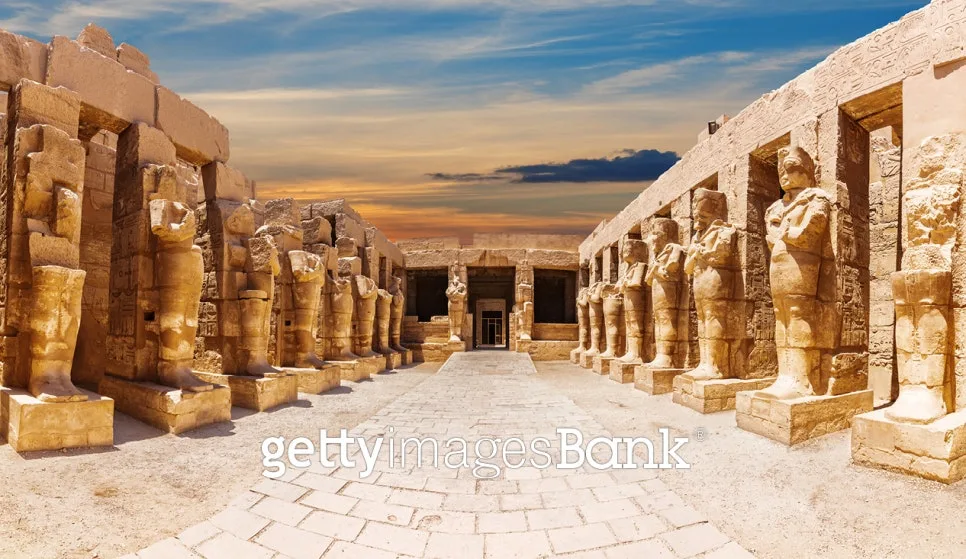
Luxor's main ancient sites are the Karnak Temple Complex, Luxor Temple, and the Valley of the Kings, each symbolizing ancient Egypt's religion, architecture, and pharaohs' afterlife beliefs.
What Is the Historical Significance of Luxor, the Heart of Ancient Egypt?
Known as 'Thebes' in ancient Egyptian times, Luxor served as a vital political, economic, and cultural hub. Boasting thousands of years of history, this city is often called the 'world's greatest open-air museum' due to its dense concentration of world-famous sites like the Karnak Temple Complex, Luxor Temple, and the Valley of the Kings. Visiting Luxor feels like stepping back in time, with tangible evidence of ancient Egyptian civilization's grandeur scattered throughout. The sheer scale and wonder I felt during my visit are still vivid memories.
How Can You Experience Walking Through the City of Gods at Karnak Temple?
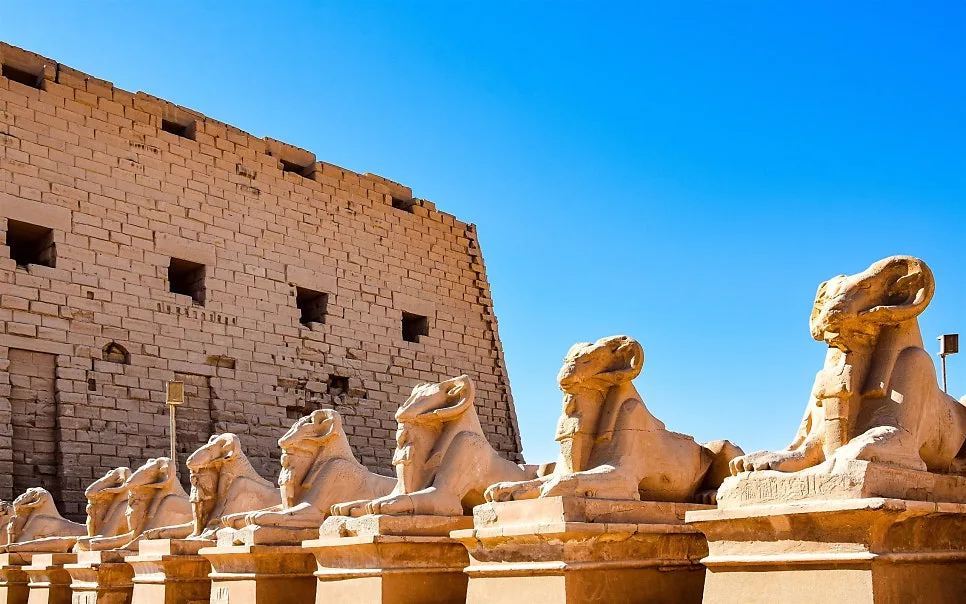
The Karnak Temple Complex, dedicated to the chief deity Amun-Ra, is the largest religious structure ever built, with multiple pharaohs contributing to its expansion over millennia. The 'Hypostyle Hall,' with its forest of colossal columns, is an awe-inspiring sight that overwhelms visitors with its sheer scale. The temple walls, etched with hieroglyphs detailing pharaohs' achievements, vividly convey ancient Egyptian history and culture. Walking through this sacred space truly allows you to glimpse the faith and artistic genius of the ancient Egyptians, making you feel as if you've entered a divine realm.
What's the Best Way to Enjoy Luxor Temple's Romantic Nighttime Ambiance?
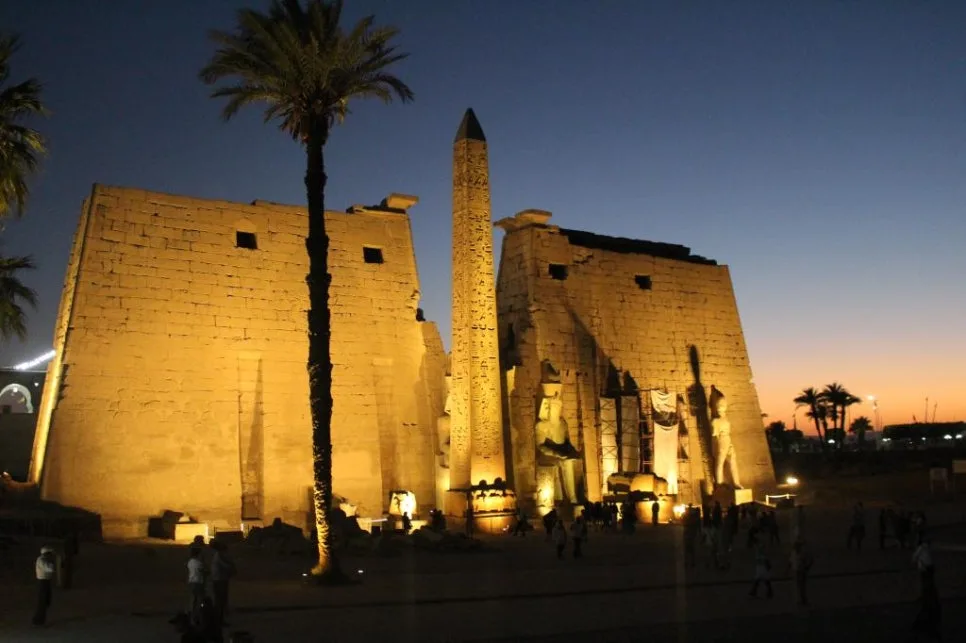
Luxor Temple offers a mystical and captivating atmosphere at night, completely transforming from its daytime appearance. Illuminated by lights, the temple takes on a dreamlike quality, providing an unforgettable experience. Originally started by Amenhotep III and completed by Ramesses II, this temple is adorned with imposing obelisks and colossal statues that highlight its grandeur. The massive statues of Ramesses II, in particular, are astonishing in their size and craftsmanship. Luxor Temple stands as a masterpiece of ancient Egyptian architectural and artistic prowess, shining even brighter under the night sky.
What Should You Be Aware of When Exploring the Valley of the Kings, the Pharaohs' Eternal Resting Place?
The Valley of the Kings is a sacred site housing the tombs of numerous pharaohs, including Tutankhamun and Ramesses VI. The tombs' intricate wall paintings and carvings are remarkably preserved, offering profound insights into ancient Egyptian beliefs about the afterlife and their artistic world. The discovery of Tutankhamun's tomb and its vast treasures at the time of its unearthing astonished the world. When exploring the Valley of the Kings, it's crucial to avoid damaging the delicate murals inside the tombs. Photography may also be restricted in certain areas, so always follow the guides' instructions. This is a place where you can truly feel the pharaohs' desire to transcend death.
What Unique Experiences and Recommended Activities Can You Enjoy in Luxor Beyond Temple Exploration?
Beyond exploring ancient ruins, Luxor offers a variety of activities such as Nile River cruises, hot air balloon rides, and visits to local markets. Cruising along the Nile provides stunning scenery, while a hot air balloon ride offers a breathtaking panoramic view of Luxor city. Watching the sunset over the Nile is a truly beautiful experience. Additionally, browsing and bargaining for Egyptian handicrafts in the local markets is a fun cultural immersion, as is sampling delicious traditional Egyptian cuisine. The early morning hot air balloon tour offers a spectacular view of Karnak and Luxor temples bathed in the dawn light.
For more details on Luxor's ancient heritage and unique experiences, check the original source below.