While many flock to Kyoto's famous fall foliage spots like Kiyomizu-dera Temple and Fushimi Inari Shrine, they often miss the key to truly enjoying these iconic locations. For your 2026 autumn trip, whether traveling solo or with family, here’s how to fully experience Kyoto’s two most celebrated autumn destinations.
What Makes Kyoto's Kiyomizu-dera a Top Fall Destination?
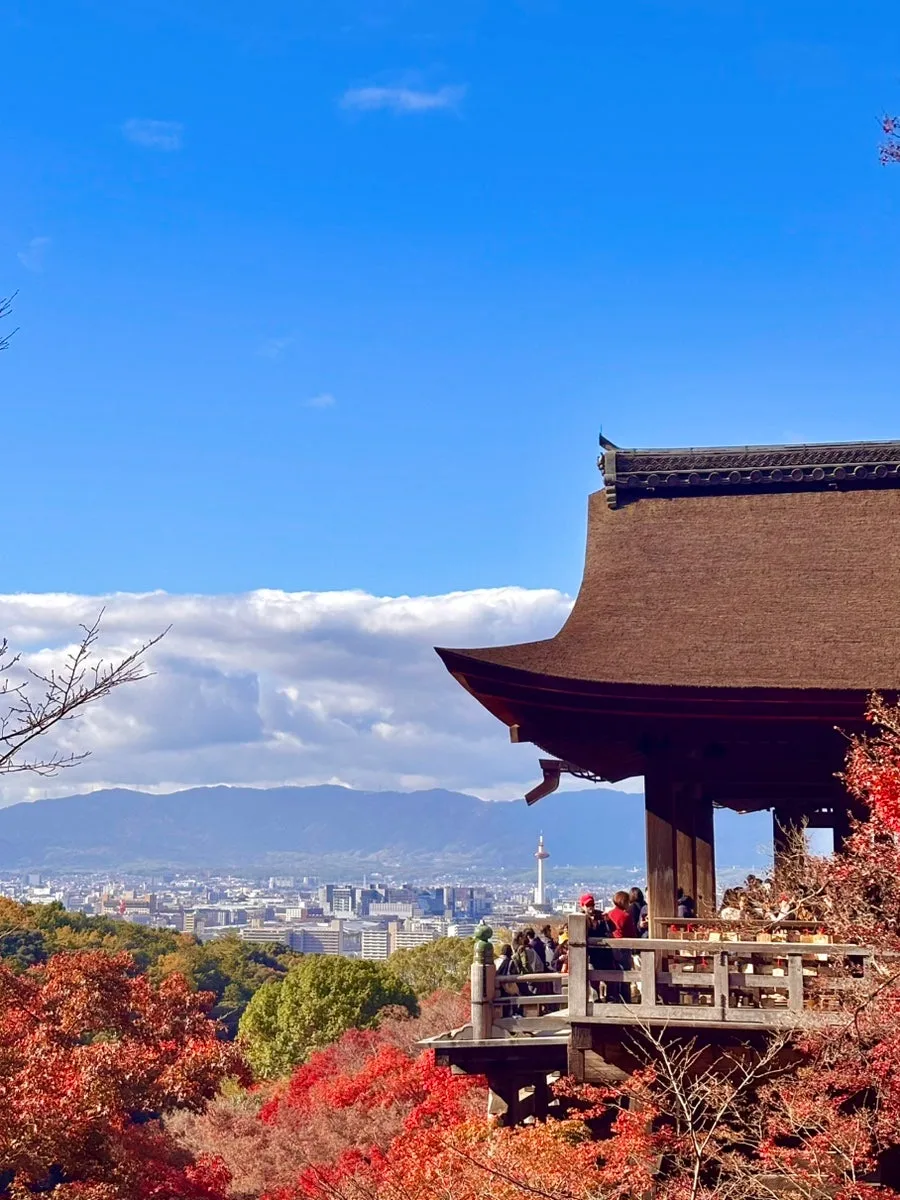
Kiyomizu-dera Temple, a UNESCO World Heritage site with nearly 1,250 years of history, is a symbol of Kyoto. During the autumn foliage season, the surrounding mountains ablaze with red and gold create a serene and breathtaking panorama. The temple's main hall, perched on a cliffside, offers a stunning viewpoint overlooking the city, making it a prime photo opportunity. The seasonal night illuminations provide a mystical atmosphere distinct from its daytime beauty. In 2025, the night opening is scheduled from November 22 to December 7, promising an even more special experience. Admission is 500 JPY for adults and 200 JPY for elementary and middle school students, payable in cash only, so be sure to have some on hand.
What Should You Know When Making a Wish at Kiyomizu-dera's Otowa Waterfall?
Within the Kiyomizu-dera complex lies the Otowa Waterfall, meaning 'clear water.' The waterfall splits into three streams, each said to bestow a different blessing: longevity, success at school, and a fortunate love life. However, drinking from all three is considered greedy and may bring bad luck. It’s wiser to choose one or two streams that align with your current wishes. For instance, students might choose the academic stream, while those prioritizing health could opt for that one. For visitors in their 20s and 30s, the love-related stream is particularly popular. Be prepared for potentially long queues at the waterfall, as it's a highly sought-after spot for making wishes.
What Is Fushimi Inari Shrine and Why Is It So Famous?
Fushimi Inari Shrine, famously featured in the movie *Memoirs of a Geisha*, is renowned for its seemingly endless tunnels of vibrant red torii gates. Dedicated to Inari, the Shinto god of rice, prosperity, and business success, it draws many visitors seeking good fortune. Originally a deity of agriculture, Inari is now widely revered by business people and entrepreneurs. Throughout the shrine grounds, you'll find numerous fox statues, considered messengers of Inari, adding to the mystical ambiance. The iconic orange torii gates mark the entrance to sacred spaces, and the sheer number of them creates a spectacular visual. Fushimi Inari Shrine offers free admission, and walking through the winding paths of torii gates feels like stepping into another world. The fresh air also makes it a pleasant place for a stroll.
What Are the Charms of Kyoto's Traditional Streets, Sannenzaka and Ninenzaka?
As you descend from Kiyomizu-dera, you'll pass through Kiyomizu-zaka street, lined with souvenir shops and eateries. A little further down, you’ll reach the picturesque traditional streets of Sannenzaka ('Three-Year Slope') and Ninenzaka ('Two-Year Slope'). These areas preserve historic wooden buildings from the Edo period, offering a journey back in time. They are also popular spots for capturing beautiful photographs. Be mindful, however, as there's a local superstition that falling on these slopes brings three or two years of bad luck, respectively. A playful remedy suggests rolling over to ward off the misfortune, adding a unique touch to the experience.
What Are the Must-Know Tips for Visiting Fushimi Inari Shrine?
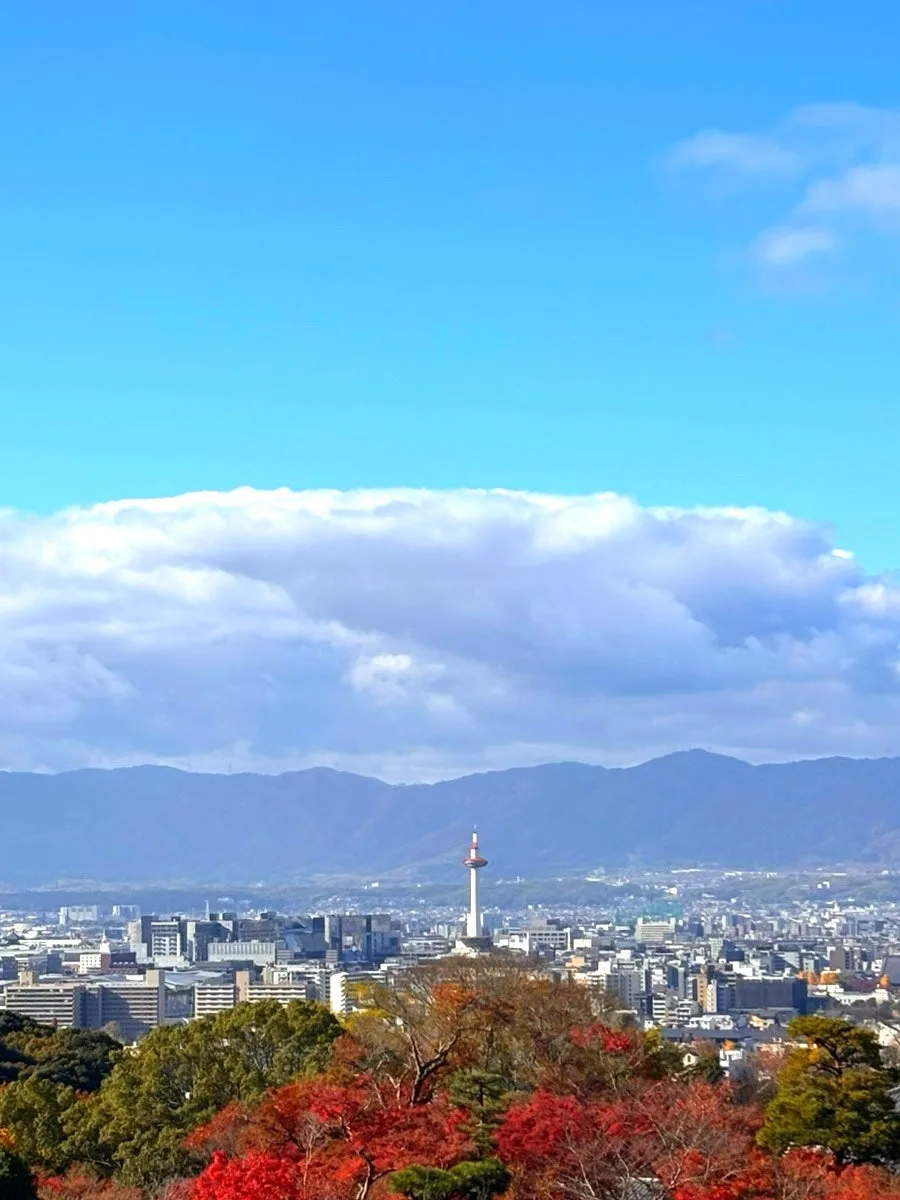
Fushimi Inari Shrine is quite expansive, and exploring all its paths can take a significant amount of time, feeling almost like a hike. From the upper reaches, you can enjoy excellent views of Kyoto city. While admission is free, it's advisable to bring cash for offerings at the various prayer spots throughout the shrine. Many visitors in 2026 will likely be seeking blessings for peace and success. Don't miss the fun of spotting the various fox statues scattered across the grounds, and consider browsing the charming souvenir shops and food stalls.
For more details, check the original source below.